Laparoscopic Endometriosis Surgery in Dubai
Laparoscopic endometriosis surgery is a minimally invasive procedure used to diagnose and treat selected cases of endometriosis. It allows a gynecological surgeon to examine the pelvic organs and, when appropriate, remove or treat endometriotic lesions, adhesions, and certain ovarian cysts through small abdominal incisions.
At DRHC Dubai, our gynecology services include assessment and treatment planning for women experiencing persistent pelvic pain, painful periods, ovarian endometriomas, and other symptoms associated with endometriosis.
Surgical treatment may be considered when symptoms persist despite medical management or when specific clinical findings require an operative approach. The decision depends on the extent of the condition, previous treatment, and individual fertility goals.
As a day-case healthcare facility, DRHC assesses the suitability of selected gynecological procedures for same-day care. More complex endometriosis surgery may require a multidisciplinary team or hospital-based treatment.
Book a gynecology consultation to discuss whether laparoscopic surgery may be appropriate for your condition.
What Is Laparoscopic Endometriosis Surgery?
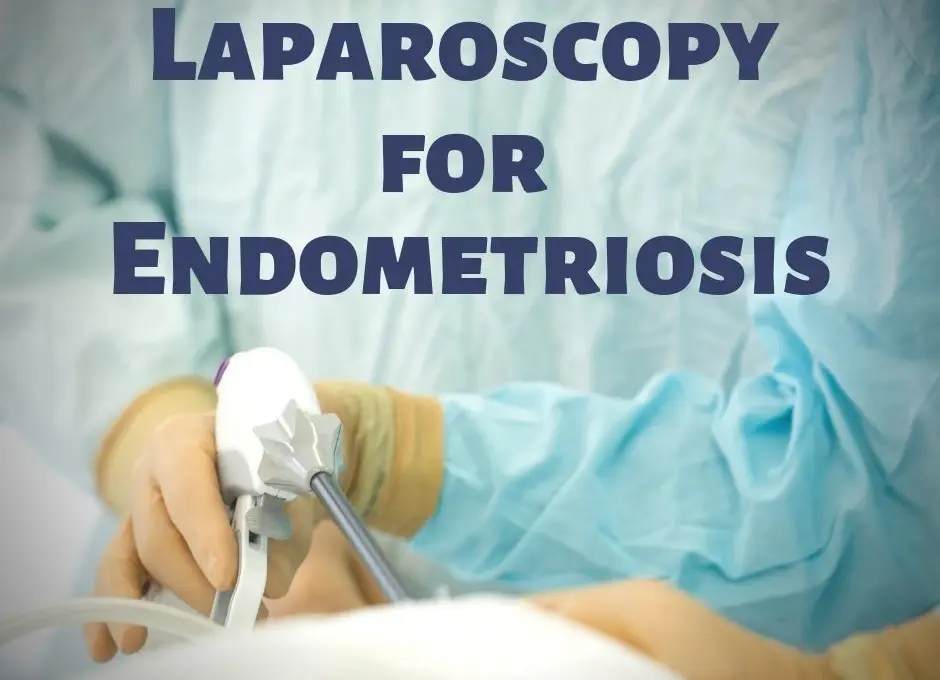
Laparoscopic endometriosis surgery, also called keyhole surgery for endometriosis, is performed using a thin instrument with a camera known as a laparoscope.
The laparoscope is inserted through a small abdominal incision, allowing the surgeon to view the pelvic organs on a monitor. Additional small incisions may be used to introduce surgical instruments.
Depending on the findings and the agreed surgical plan, the procedure may involve:
- Identifying endometriotic lesions within the pelvis.
- Removing or treating selected areas of endometriosis.
- Releasing adhesions or scar tissue affecting pelvic structures.
- Treating ovarian endometriomas, commonly known as chocolate cysts, when indicated.
- Assessing the relationship between endometriosis and surrounding pelvic organs.
Laparoscopic surgery is generally preferred over open surgery for appropriate endometriosis procedures because it uses smaller incisions and may allow a shorter recovery. However, recovery and surgical risks depend on the complexity of the procedure.
When Is Surgery Recommended for Endometriosis?
Not everyone with endometriosis needs surgery. Many patients can manage their symptoms with medication, hormonal treatment, and ongoing gynecological care.
A gynecologist may discuss laparoscopic surgery in the following situations:
1. Persistent or Severe Pelvic Pain
Surgery may be considered when endometriosis-related pelvic pain continues to interfere with daily activities despite appropriate medical treatment, or when medical therapies are unsuitable or poorly tolerated.
2. Ovarian Endometriomas (Chocolate Cysts)
Endometriosis can cause cysts to develop within the ovaries. These cysts, known as endometriomas or chocolate cysts, may require surgical assessment depending on their size, symptoms, imaging appearance, and the patient's reproductive goals.
3. Endometriosis Affecting Pelvic Structures
Endometriosis may cause adhesions or involve tissues near the bowel, bladder, or ureters. Such findings require careful investigation and specialist surgical planning.
Deep endometriosis affecting these organs may require referral to a specialist multidisciplinary surgical team rather than routine day-case surgery.
4. Fertility-Related Concerns
In selected patients, surgical treatment of endometriosis may be considered as part of fertility management.
However, surgery is not automatically recommended for every woman experiencing infertility. The potential benefits must be weighed against possible effects on ovarian reserve, other fertility factors, and alternative treatment options.
5. Persistent Symptoms with Uncertain Diagnosis
Diagnostic laparoscopy may be considered when endometriosis remains suspected despite previous investigations, particularly when symptoms persist or surgical treatment is being considered.
The decision to operate is individualized. The presence of endometriosis alone does not mean surgery is necessary.
Types of Laparoscopic Surgery for Endometriosis
Different surgical techniques may be used depending on the location, extent, and characteristics of endometriotic lesions.
Laparoscopic Excision of Endometriosis
Excision involves surgically removing selected endometriotic lesions from affected tissues.
This approach may allow tissue to be sent for histopathological examination when appropriate. Excision is one of the surgical options used to treat endometriosis-associated pain.
The suitability of excision depends on the location of the disease and the risks associated with removing affected tissue.
Laparoscopic Ablation of Endometriosis
Ablation involves treating selected superficial endometriotic lesions using surgical energy rather than removing the entire visible lesion.
Ablation may be appropriate for certain forms of superficial disease. The choice between excision and ablation depends on the surgical findings, patient circumstances, and available evidence.
Laparoscopic Adhesiolysis
Endometriosis can contribute to the formation of adhesions, which are bands of scar tissue that may connect pelvic organs or surrounding tissues.
During laparoscopy, selected adhesions may be divided when clinically indicated. The surgeon considers whether treating these adhesions is likely to benefit the patient and whether the procedure can be performed safely.
Laparoscopic Ovarian Endometrioma Surgery
When an ovarian endometrioma requires surgical treatment, the procedure may involve removal of the cyst wall or other selected surgical approaches.
Careful surgical planning is particularly important because operating on an ovary can affect healthy ovarian tissue and ovarian reserve.
Women who are planning pregnancy should discuss the potential benefits and fertility-related risks before undergoing ovarian surgery.
How Is Laparoscopic Endometriosis Surgery Performed?
Laparoscopic endometriosis surgery is usually performed under general anesthesia. The exact surgical steps depend on the patient's anatomy, the location of endometriosis, and the planned treatment.
Step 1: Anesthesia and Preparation
Before surgery, the anesthesia team evaluates the patient and confirms the appropriate anesthetic plan.
Once anesthesia has been administered, the surgical team prepares the abdomen for the procedure.
Step 2: Small Abdominal Incisions
A small incision is usually made near the umbilicus to introduce the laparoscope.
Carbon dioxide gas is used to gently expand the abdominal cavity, creating space for the surgeon to view the pelvic structures.
Step 3: Examination of the Pelvic Organs
The surgeon examines the uterus, ovaries, fallopian tubes, pelvic lining, and other relevant structures.
The findings help identify visible endometriotic lesions, ovarian cysts, adhesions, and any other abnormalities.
Step 4: Surgical Treatment
Additional instruments may be inserted through small incisions to perform the agreed treatment.
Depending on the surgical plan, this may include lesion excision, selected ablation, adhesiolysis, or treatment of an ovarian endometrioma.
Unexpected or complex findings may require the surgical plan to be reconsidered. Treatment is performed within the scope of the patient's informed consent and the facility's surgical capabilities.
Step 5: Completion and Recovery
At the end of the procedure, the instruments are removed, the gas is released as appropriate, and the incisions are closed.
The patient is then monitored in the recovery area until clinically stable.
Benefits of Laparoscopic Surgery for Endometriosis
For appropriately selected patients, laparoscopy offers several potential advantages compared with traditional open abdominal surgery.
- Smaller incisions: Keyhole surgery generally requires smaller abdominal cuts.
- Detailed pelvic visualization: The camera provides a magnified view of pelvic structures.
- Targeted surgical treatment: The surgeon can assess and treat selected visible endometriotic lesions.
- Potential symptom improvement: Surgical treatment can reduce endometriosis-associated pain in some patients.
- Potentially shorter recovery: Recovery may be faster than after open surgery, depending on the extent of the operation.
- Day-case suitability: Selected procedures may allow discharge on the same day when clinically appropriate.
Surgery does not guarantee permanent pain relief or cure endometriosis. Symptoms can persist or recur, and further treatment may be required.
Can Endometriosis Surgery Be Performed as a Day-Case Procedure?
Some laparoscopic procedures for endometriosis may be suitable for day-case care, allowing patients to return home after postoperative monitoring without an overnight stay.
Eligibility for same-day discharge depends on several factors, including:
- The planned surgical procedure and its complexity.
- The extent and location of endometriosis.
- The patient's overall health and anesthesia assessment.
- Expected postoperative pain and recovery needs.
- Any complications or additional procedures required?
- Whether appropriate support is available at home after discharge.
More extensive surgery, particularly when endometriosis involves the bowel, bladder, ureters, or multiple pelvic structures, may require a specialist hospital setting and a longer period of observation or admission.
At DRHC Dubai, the suitability of a proposed procedure for the day-case setting is assessed individually.
Preparing for Laparoscopic Endometriosis Surgery
Before an operation, the treating gynecologist will review the patient's symptoms, medical history, previous treatments, and available imaging results.
Preoperative assessment may include:
- Clinical consultation and gynecological examination.
- Pelvic ultrasound and additional imaging when indicated.
- Blood investigations and other preoperative tests, when appropriate.
- Anesthesia assessment.
- Review of current medication, allergies, and relevant medical conditions.
- Discussion of fertility plans and ovarian reserve, where relevant.
- Explanation of the intended procedure, alternatives, potential complications, and recovery.
The healthcare team will provide individualized instructions about fasting, medication management, arrival time, and post-discharge arrangements.
Recovery After Laparoscopic Endometriosis Surgery
Recovery varies according to the type and extent of surgery. A relatively limited laparoscopic procedure may involve a shorter recovery than surgery for extensive or deep endometriosis.
Immediately After Surgery
Patients are monitored while recovering from anesthesia.
Some abdominal discomfort, fatigue, temporary bloating, or shoulder-tip pain caused by residual gas may occur.
The First Few Days
Light movement and gentle walking are often encouraged as appropriate. Pain medication and wound-care instructions will be provided according to the patient's needs.
Patients should avoid activities that place excessive strain on the abdomen until advised by their surgical team.
Returning to Normal Activities
Some patients return to light daily activities within several days, while others require a longer recovery period.
Returning to work, driving, exercise, sexual activity, and lifting should follow the surgeon's individualized recommendations.
Recovery after extensive endometriosis surgery can take considerably longer than recovery after a simple laparoscopy.
Follow-Up Care
A postoperative appointment may be arranged to review recovery, surgical findings, histopathology results, if applicable, and further treatment recommendations.
Depending on symptoms and future pregnancy plans, the gynecologist may discuss hormonal treatment after surgery to help manage symptoms and reduce recurrence risk.
Risks and Possible Complications
Like any surgical procedure, laparoscopic endometriosis surgery carries potential risks. These vary according to the procedure, the extent of disease, and individual health factors.
Possible complications include:
- Bleeding or infection.
- Injury to the bowel, bladder, ureters, blood vessels, or other surrounding structures.
- Complications related to general anesthesia.
- Blood clots are uncommon.
- Formation or recurrence of adhesions.
- Persistent or recurring pelvic pain.
- Reduced ovarian reserve following certain ovarian procedures.
- The need for further surgery or conversion to open surgery in selected circumstances.
The surgeon will explain the risks that are most relevant to the planned operation before obtaining informed consent.
After surgery, seek urgent medical attention for severe or worsening abdominal pain, heavy bleeding, persistent vomiting, fever with significant illness, chest pain, difficulty breathing, or a painful, swollen leg.
Endometriosis Surgery and Fertility
Endometriosis can affect reproductive health, but many women with endometriosis are able to conceive naturally.
In selected circumstances, laparoscopic treatment of endometriosis or associated adhesions may improve the chance of spontaneous pregnancy.
However, the effects of surgery depend on the type and extent of endometriosis, age, ovarian reserve, previous procedures, and other fertility factors.
Surgery involving ovarian endometriomas requires particular consideration because removing a cyst can also affect healthy ovarian tissue.
Women planning pregnancy should discuss the potential benefits, risks, and alternatives to surgery with their gynecologist. Fertility specialist input may be appropriate in some cases.
Endometriosis surgery is not a guaranteed fertility treatment. The decision should be based on an individualized reproductive care plan.
What Happens If Endometriosis Returns After Surgery?
Endometriosis is a chronic condition, and symptoms or lesions can recur after surgical treatment.
If symptoms return, the gynecologist may recommend reassessment, medical treatment, imaging, or additional specialist evaluation.
Repeat surgery is not always necessary. Decisions about further operations should consider previous surgical findings, risks, possible benefits, ovarian reserve, and other causes of pelvic pain.
For patients not immediately planning pregnancy, hormonal treatment after surgery may be considered to help manage symptoms and reduce the likelihood of recurrence.
Laparoscopic Endometriosis Assessment at DRHC Dubai
At Dr. Rami Hamed Center (DRHC), our gynecology services include the evaluation and management of endometriosis-related symptoms, including painful periods, persistent pelvic discomfort, and ovarian cyst concerns.
Our clinical approach includes:
- Detailed assessment of symptoms and medical history.
- Diagnostic investigations and imaging when indicated.
- Discussion of medical and surgical treatment options.
- Individualized consideration of fertility goals.
- Assessment of surgical suitability and the appropriate treatment setting.
- Follow-up and ongoing gynecological care.
Where surgery is appropriate, the procedure, surgical location, expected recovery, and discharge arrangements are determined following specialist assessment.
For broader information about non-surgical and surgical treatment options, visit our Endometriosis Treatment in Dubai page.