Endometriosis Treatment in Dubai
Endometriosis is a chronic gynecological condition that can cause painful periods, persistent pelvic pain, and difficulties with fertility. At DRHC Dubai, our gynecology team provides clinical assessment, diagnostic evaluation, and personalized treatment options for women experiencing symptoms of endometriosis.
Treatment may involve medication, hormonal management, or minimally invasive surgery, depending on the severity of symptoms, clinical findings, and individual reproductive goals.
Book an appointment with our gynecology team to discuss your symptoms and available treatment options.
What Is Endometriosis?
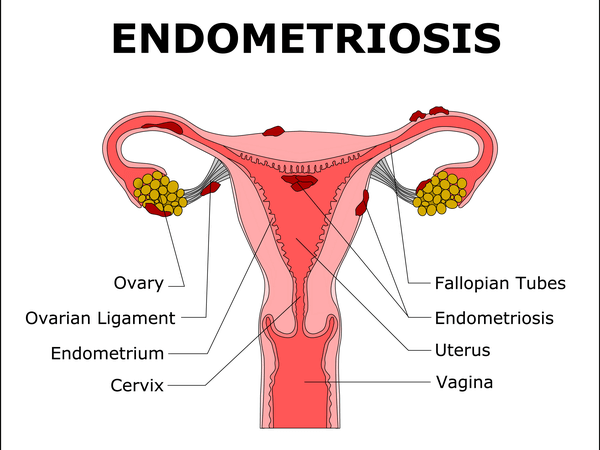
Endometriosis is a condition in which tissue similar to the lining of the uterus (endometrium) grows outside the uterus. These growths, known as endometriotic lesions, can cause inflammation, scar tissue, and adhesions involving surrounding pelvic organs.
Endometriosis commonly affects the ovaries, fallopian tubes, pelvic lining, and tissues behind the uterus. In some cases, it can also involve the bowel, urinary bladder, or other areas outside the pelvis.
According to the World Health Organization, endometriosis affects approximately 10% of women of reproductive age worldwide.
The condition can develop from adolescence through adulthood. While some women experience significant pain and fertility-related concerns, others have relatively mild symptoms.
Endometriosis is a benign condition, but its symptoms and complications can considerably affect daily activities and quality of life.
Symptoms of Endometriosis
Endometriosis symptoms vary from person to person. Some women experience symptoms mainly during menstruation, while others have persistent discomfort throughout the month.
Common symptoms include:
- Painful periods (dysmenorrhea): Menstrual cramps that may be severe enough to interfere with work, sleep, or daily activities.
- Chronic pelvic pain: Persistent or recurring discomfort in the lower abdomen or pelvis, including pain outside menstruation.
- Pain during or after intercourse: Deep pelvic discomfort associated with sexual activity.
- Painful bowel movements: Pain during defecation, particularly around the menstrual period.
- Urinary discomfort: Pain during urination or cyclical urinary symptoms in some women.
- Heavy menstrual bleeding: Heavy periods or bleeding between periods may occur, although these symptoms can also have other causes.
- Difficulty becoming pregnant: Endometriosis may affect fertility in some women.
- Bloating and digestive symptoms: Abdominal bloating, constipation, diarrhea, or nausea, sometimes worsening during menstruation.
The intensity of pain does not always reflect the extent of endometriosis. Some women with limited disease experience severe symptoms, while others with more extensive disease have little discomfort.
Persistent or worsening menstrual pain should not be ignored. A gynecology consultation can help identify the underlying cause and determine appropriate investigations.
What Causes Endometriosis?
The exact cause of endometriosis is not fully understood. Research suggests that several biological, hormonal, genetic, and immune-related factors may contribute to its development.
Possible contributing factors include:
- Genetic predisposition: Having a close family member, such as a mother or sister, with endometriosis increases the likelihood of developing the condition.
- Hormonal influences: Estrogen plays an important role in the growth and activity of endometriotic tissue.
- Immune and inflammatory factors: Changes in immune responses may contribute to the development and persistence of endometriotic lesions.
- Retrograde menstruation and other mechanisms: Menstrual tissue flowing backward through the fallopian tubes is one proposed mechanism, although it does not fully explain all cases of endometriosis.
Endometriosis is not caused by poor hygiene, and its development cannot be attributed to one specific lifestyle factor.
How Is Endometriosis Diagnosed?
Diagnosing endometriosis begins with a careful review of symptoms, menstrual history, medical history, and, where appropriate, a gynecological examination.
At DRHC Dubai, the gynecology team can assess symptoms and determine which investigations are appropriate.
1. Gynecological Consultation
The doctor may ask about the timing and severity of pelvic pain, menstrual symptoms, previous treatments, family history, and any concerns about fertility.
A pelvic examination may be recommended when appropriate.
2. Pelvic Ultrasound
A transvaginal ultrasound is commonly recommended during the assessment of suspected endometriosis.
Ultrasound may help identify ovarian endometriomas (endometriosis-related cysts), certain forms of deep endometriosis, or other gynecological conditions that could explain the symptoms.
A normal ultrasound does not completely rule out endometriosis, particularly superficial disease.
3. Pelvic MRI
An MRI scan may be recommended in selected cases, particularly when deep endometriosis is suspected or further evaluation of pelvic structures is required.
MRI can help assess the possible extent of disease and support treatment planning.
4. Diagnostic Laparoscopy
Laparoscopy is a minimally invasive surgical procedure in which a small camera is used to examine the pelvic cavity.
It may be considered when the diagnosis remains uncertain, symptoms persist despite treatment, or surgical management is being planned.
Not every patient requires a laparoscopy to begin endometriosis treatment.
Important: There is no single blood test that reliably diagnoses endometriosis. CA-125 should not be used as a diagnostic test for the condition.
Endometriosis Treatment Options in Dubai
The aim of endometriosis treatment is to reduce pain, improve quality of life, address associated complications, and consider fertility goals.
There is currently no definitive cure for endometriosis, but several treatments can help manage symptoms.
The most suitable approach depends on the patient's clinical findings, symptom severity, response to previous treatment, and whether pregnancy is desired.
1. Pain Management
Pain-relieving medicines may be recommended to help manage menstrual cramps and pelvic discomfort.
These can include paracetamol or nonsteroidal anti-inflammatory drugs (NSAIDs), such as ibuprofen, when medically appropriate.
Medication selection depends on the patient's medical history, contraindications, and response to treatment.
2. Hormonal Treatment
Hormonal therapies may help reduce endometriosis-related pain by suppressing or modifying hormonal activity.
Depending on individual circumstances, treatment options may include:
- Combined hormonal contraceptive pills.
- Progestogen-based treatment.
- Hormonal intrauterine systems (IUS).
- Gonadotropin-releasing hormone (GnRH) agonists or antagonists are generally used under specialist guidance.
Some hormonal treatments are not suitable for women actively trying to conceive. The benefits, limitations, and potential side effects should be discussed with the treating gynecologist.
Learn more about IUD insertion at DRHC Dubai.
3. Laparoscopic Endometriosis Surgery
Surgery may be considered when endometriosis causes persistent pain despite appropriate medical management, when certain ovarian cysts require treatment, or when specific findings make surgical intervention appropriate.
Laparoscopy allows the surgeon to examine the pelvis and, where appropriate, remove or treat visible endometriotic lesions and adhesions.
Surgical treatment may involve:
- Excision of selected endometriotic lesions.
- Treatment of adhesions associated with the disease.
- Removal of an ovarian endometrioma when clinically indicated.
- Surgical management of selected pelvic abnormalities.
The decision to proceed with surgery is individualized. Surgery has potential risks, symptoms may recur, and not every patient will benefit from an operation.
For further information, visit our Laparoscopic Endometriosis Surgery page.
Endometriosis and Ovarian Chocolate Cysts
An ovarian endometrioma, commonly called a chocolate cyst, is a cyst associated with endometriosis that contains old blood.
These cysts may cause pelvic pain or be discovered during an ultrasound performed for another reason.
Treatment depends on factors such as cyst size, symptoms, imaging findings, age, and fertility considerations.
Not every chocolate cyst requires surgery. In some cases, monitoring or medical management may be recommended.
When surgery is considered, the possible effects on ovarian tissue and ovarian reserve should be discussed, especially in women planning pregnancy.
Endometriosis and Fertility
Endometriosis can affect fertility, although many women with the condition conceive naturally.
Possible fertility-related factors include pelvic inflammation, adhesions, ovarian endometriomas, and changes involving the fallopian tubes or ovaries.
For women planning pregnancy, assessment may include reviewing:
- Menstrual and ovulation history.
- Ovarian health and relevant ultrasound findings.
- Previous pregnancies and fertility concerns.
- Fallopian tube assessment when indicated.
- Other potential causes of infertility.
Treatment decisions should consider both symptom control and reproductive goals. Surgery is not automatically necessary for infertility associated with endometriosis, and hormonal suppression does not improve the chance of natural conception while pregnancy is being attempted.
A gynecologist can help determine whether further fertility evaluation or specialist referral is appropriate.
Is Endometriosis a Serious Condition?
Endometriosis is not cancer, but it is a chronic condition that may have significant effects on physical well-being, reproductive health, and quality of life.
Some women develop ovarian cysts, pelvic adhesions, or deep endometriosis affecting nearby structures such as the bowel, bladder, or ureters.
These more complex forms of disease may require assessment by a specialist multidisciplinary team.
Early clinical evaluation, individualized management, and appropriate follow-up can help patients make informed decisions about their care.
Endometriosis Care at DRHC Dubai
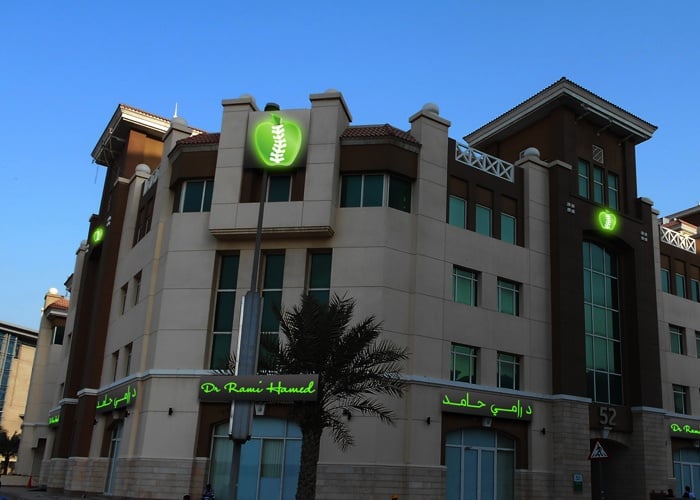
At Dr. Rami Hamed Center (DRHC), our gynecology services include the assessment and management of menstrual disorders, pelvic pain, endometriosis, and other women's health concerns.
Our approach focuses on:
- Individualized gynecological consultation and symptom assessment.
- Diagnostic evaluation and appropriate imaging.
- Medical and hormonal treatment planning.
- Assessment for minimally invasive surgical treatment when indicated.
- Fertility considerations and ongoing follow-up.
Where surgery is recommended, the treating team will assess the patient's suitability for the procedure, the appropriate surgical setting, and the expected recovery and discharge plan. More complex cases may require specialist referral or hospital-based treatment.
Our aim is to help patients understand their condition and make informed decisions based on their symptoms, priorities, and treatment options.