Pelvic Floor Disorders in Women – Diagnosis and Treatment in Dubai
At Dr. Rami Hamed Center (DRHC) in Dubai, we provide specialised diagnosis and treatment for female pelvic floor disorders affecting bowel function, bladder control, and pelvic organ support. Our approach includes clinical assessment, advanced diagnostic investigations, medical therapy, pelvic floor rehabilitation, and surgical treatment when necessary.
Women with pelvic floor disorders may experience chronic constipation, difficulty passing stools, urinary or bowel incontinence, pelvic pressure, or symptoms of prolapse. These conditions can affect everyday comfort and quality of life. Identifying the underlying cause is essential for recommending appropriate treatment.
What Are Female Pelvic Floor Disorders?
The pelvic floor is a group of muscles and connective tissues that support the bladder, uterus, and rectum. These muscles help maintain urinary and bowel control and coordinate movements during urination and defecation.
Pelvic floor dysfunction occurs when these muscles become weak, excessively tense, or unable to coordinate properly. Problems with the supporting tissues can also lead to pelvic organ prolapse. Some women develop symptoms after pregnancy or childbirth, while others experience pelvic floor disorders due to chronic straining, ageing, previous surgery, or other contributing factors.
Common Symptoms of Pelvic Floor Dysfunction
Symptoms differ according to the pelvic floor muscles and organs involved. Common complaints include:
- Chronic constipation or frequent straining during bowel movements.
- Difficulty passing stools or a sensation of incomplete bowel emptying.
- Urinary leakage during coughing, sneezing, or physical activity.
- Difficulty controlling bowel movements or passing gas.
- Pelvic pressure, heaviness, or a feeling of bulging in the vaginal area.
- Frequent urinary urgency or difficulty emptying the bladder.
- Persistent pelvic, rectal, or anal discomfort.
- Discomfort during sexual intercourse.
Because these symptoms can be associated with different medical conditions, a specialist assessment is important for determining whether pelvic floor dysfunction or another underlying problem is responsible.
Female Pelvic Floor Conditions We Evaluate and Treat
At DRHC Dubai, our pelvic floor and colorectal services address a range of functional and structural conditions, including:
Obstructed Defecation Syndrome
Obstructed Defecation Syndrome (ODS) causes difficulty emptying the rectum despite the presence of stool. Women may experience prolonged straining, incomplete bowel evacuation or the need for manual assistance during bowel movements. It may result from abnormal pelvic floor muscle coordination or structural problems such as rectocele and internal rectal prolapse.
Pelvic Floor Dyssynergia
Pelvic dyssynergia is a coordination disorder in which the pelvic floor muscles and anal sphincter do not relax appropriately during defecation. This can make passing stools difficult and contribute to persistent constipation. Biofeedback therapy and pelvic floor rehabilitation are important treatment options for selected patients.
Rectal Prolapse and Hemorrhoidal Prolapse
Rectal prolapse occurs when part or all of the rectal wall descends and may protrude through the anus. It can be associated with straining, mucus discharge, discomfort, and bowel control problems.
Hemorrhoidal prolapse is a separate condition involving enlarged hemorrhoidal tissue that protrudes from the anal canal. Although symptoms can overlap, an accurate diagnosis is necessary because treatment approaches differ.
Chronic Pelvic and Anal Pain
Persistent pelvic or anal pain may be associated with excessive pelvic floor muscle tension, muscle coordination problems, or other colorectal, gynecological, and musculoskeletal conditions. A detailed assessment helps identify possible causes and guide appropriate management.
Uterovaginal Prolapse
Uterovaginal prolapse develops when the structures supporting the uterus and vaginal walls become weakened. Women may experience vaginal bulging, pelvic heaviness, urinary symptoms, or difficulty with bowel movements.
Depending on the type and severity of pelvic organ prolapse, treatment may include pelvic floor muscle training, supportive devices, or surgical correction.
Bladder Prolapse (Cystocele)
A cystocele occurs when the bladder descends and bulges into the front wall of the vagina. Symptoms may include vaginal pressure, urinary leakage, difficulty emptying the bladder, or a sensation of pelvic heaviness.
What Causes Pelvic Floor Disorders in Women?
Female pelvic floor disorders often develop due to a combination of muscular weakness, altered muscle coordination, nerve-related changes, and weakening of supporting connective tissues.
Factors that may contribute include:
- Pregnancy and childbirth: Stretching or injury to the pelvic muscles, nerves, and supporting tissues.
- Chronic constipation: Repeated straining that increases pressure on the pelvic floor.
- Ageing and menopause: Changes in muscle strength and connective tissue support.
- Previous pelvic surgery: Alterations to pelvic anatomy or supporting structures.
- Persistent increased abdominal pressure: Chronic coughing, obesity, or repeated heavy straining.
- Muscle coordination problems: Difficulty relaxing or contracting the pelvic floor muscles at the appropriate time.
The underlying cause differs between patients, which is why accurate diagnosis is essential before recommending pelvic floor treatment.
Diagnosis of Female Pelvic Floor Disorders at DRHC Dubai
Diagnosis begins with a detailed medical history and clinical examination. Our specialists evaluate bowel habits, bladder symptoms, previous pregnancies, childbirth history, surgical procedures, and the nature of any pelvic discomfort.
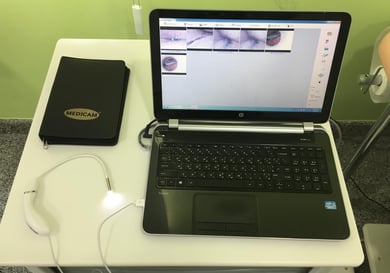
At DRHC Dubai, we offer anoscopy, rectoscopy, anorectal manometry, and assessments of rectal sensation, muscle tone, and compliance. Selected investigations can be performed in the proctology office.
Anorectal manometry measures pressure and coordination within the anal and rectal muscles. It is particularly useful when investigating chronic constipation, suspected pelvic dyssynergia, and fecal incontinence.
Preparation requirements vary depending on the investigation. Patients receive specific instructions before their scheduled examination.
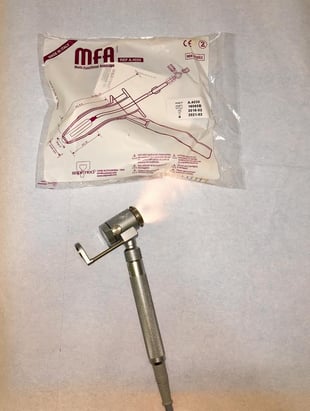
Video-Proctoscope and Multifunctional Anoscope
Our diagnostic facilities include specialised instruments for examining the anal canal and rectum. These devices help doctors assess selected anorectal conditions and guide further investigations when necessary.
Diagnostic equipment: Video-proctoscope and multifunctional anoscope used in anorectal assessment.
Additional Diagnostic Investigations
Depending on clinical findings, further tests may be recommended to understand the nature of pelvic floor dysfunction.
- Colonoscopy: A colonoscopy may be recommended when examination of the colon and rectum is necessary, particularly in patients with unexplained bleeding, changes in bowel habits or other concerning symptoms.
- 3D Endorectal Ultrasound: This specialised examination provides detailed images of the anal sphincter muscles and surrounding tissues. It may help assess muscular damage following childbirth or episiotomy and identify abnormalities associated with conditions such as an anal fistula.
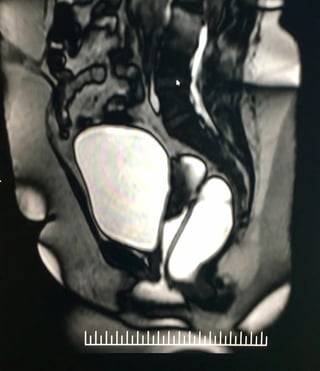
- MR Defecography: An MR defecogram is a specialised magnetic resonance examination that evaluates pelvic floor anatomy and movement during simulated bowel evacuation. It can help identify rectocele, rectal prolapse, and other functional or structural abnormalities.
MR Defecography for Pelvic Floor Assessment
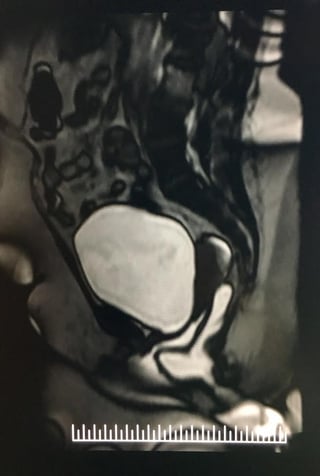
MR defecography provides detailed images of the pelvic organs and supporting muscles during different stages of evacuation. It can help doctors understand how the bladder, uterus, and rectum move and whether structural changes contribute to pelvic floor symptoms.
The examination may be recommended when obstructed defecation, pelvic organ prolapse, or other complex pelvic floor abnormalities are suspected.
Pelvic MRI images illustrating anatomical assessment of the pelvic floor.
Non-Surgical Treatment for Pelvic Floor Disorders
Many pelvic floor conditions can be managed without surgery. Treatment depends on whether symptoms arise from muscle weakness, poor coordination, excessive muscle tension or structural changes.
At DRHC Dubai, management may involve medical treatment, lifestyle recommendations, biofeedback therapy and pelvic floor rehabilitation, according to the patient's diagnosis.
Medical Treatment and Lifestyle Changes
Healthy bowel habits and appropriate medical management can help reduce symptoms associated with constipation and excessive straining.
Our specialists may recommend changes to dietary fibre intake, hydration, daily activity, and bowel habits. Individualised proctology care may also include medical treatment for associated anorectal conditions.
Where appropriate, dietary guidance can be provided in cooperation with our clinic nutritionist to help patients manage constipation and improve bowel regularity.
Biofeedback Therapy for Pelvic Floor Dysfunction
Biofeedback therapy is a non-surgical treatment that helps patients understand and improve the coordination of their pelvic floor muscles.
During treatment, specialised equipment may provide feedback about muscle activity while patients practise appropriate contraction and relaxation techniques.
Biofeedback is particularly useful for patients with pelvic floor dyssynergia, where the muscles fail to relax properly during bowel movements. Selected patients with bowel control difficulties may also benefit from rehabilitation programmes that incorporate biofeedback.
Pelvic Floor Rehabilitation
Pelvic floor rehabilitation focuses on improving muscle coordination, strength, relaxation, and functional control according to the patient's needs.
Depending on the condition, a rehabilitation programme may include:
- Supervised pelvic floor muscle exercises.
- Muscle relaxation and coordination training.
- Biofeedback-assisted rehabilitation when indicated.
- Bladder and bowel habit training.
- Guidance on reducing unnecessary straining.
- Rehabilitation during and after pregnancy is clinically appropriate.
Women with pelvic floor muscle weakness may benefit from strengthening exercises, while those experiencing excessive muscle tension may require relaxation-focused treatment. The programme should therefore be tailored to the underlying problem rather than relying on the same exercises for every patient.
Surgical Treatment for Female Pelvic Floor Disorders
Surgical treatment may be considered when a structural abnormality contributes to significant symptoms or when appropriate conservative treatment has not achieved sufficient improvement.
At DRHC Dubai, our surgical team provides minimally invasive treatment options for selected colorectal and pelvic floor conditions. The choice of procedure depends on the diagnosis, severity of symptoms, examination findings, and relevant imaging results.
Some procedures may be performed in a Day Surgery setting, allowing suitable patients to return home on the same day.
Recovery time, discomfort, and postoperative care vary according to the procedure and individual circumstances. Our specialists explain the expected benefits, potential risks, and recovery requirements before treatment.
Pelvic Floor Problems During and After Pregnancy
Pregnancy and childbirth can place significant pressure on the pelvic floor muscles and supporting tissues. As a result, some women experience urinary leakage, constipation, difficulty controlling bowel movements, or pelvic heaviness during pregnancy or following delivery.
Childbirth-related changes may also affect the anal sphincter muscles, particularly after difficult deliveries or obstetric injuries.
Pelvic floor assessment can help identify muscle weakness, coordination difficulties, and structural injuries. Depending on the findings, treatment may include rehabilitation, biofeedback, lifestyle management, or additional specialist care.
Persistent pelvic floor symptoms after childbirth should not automatically be considered a normal part of recovery. Appropriate evaluation can help determine whether treatment is needed.
Why Choose DRHC Dubai for Pelvic Floor Assessment?
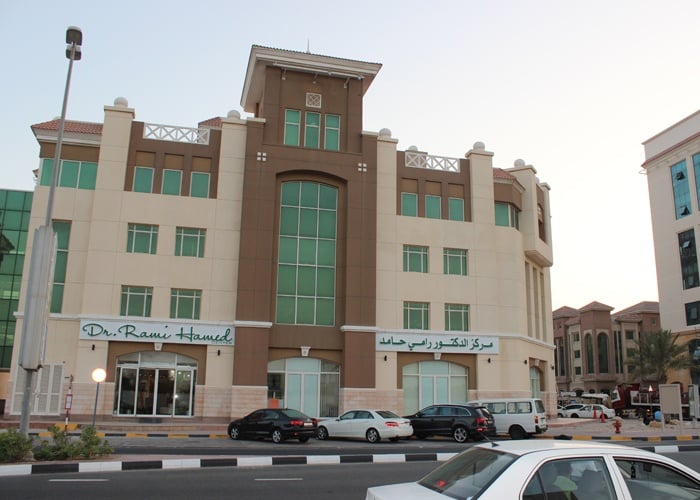
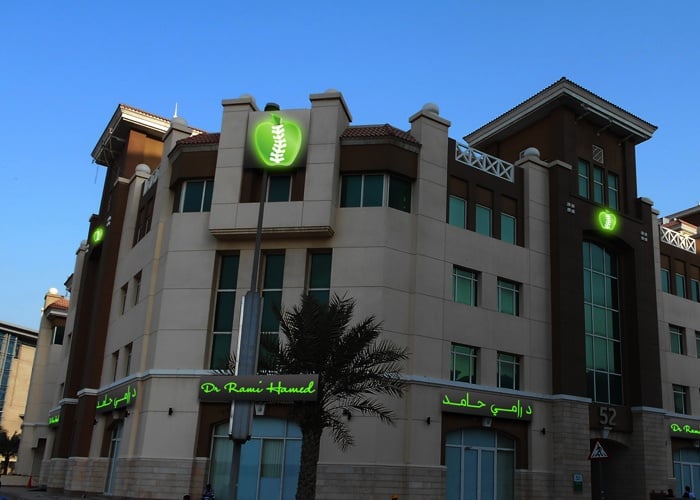
At Dr. Rami Hamed Center in Dubai Healthcare City, we provide individualised evaluation of female pelvic floor and colorectal conditions.
Our services include:
- Specialised assessment of bowel-related pelvic floor symptoms.
- Anoscopy, rectoscopy, and anorectal manometry.
- 3D endorectal ultrasound for selected anorectal conditions.
- MR defecography for detailed pelvic floor assessment.
- Medical therapy and lifestyle management.
- Biofeedback and pelvic floor rehabilitation when appropriate.
- Minimally invasive surgical treatment for selected conditions.
- Day Surgery options for eligible patients and procedures.
Our approach focuses on understanding the cause of symptoms and recommending treatment according to each patient's clinical needs.