Deviated Septum Treatment in Dubai
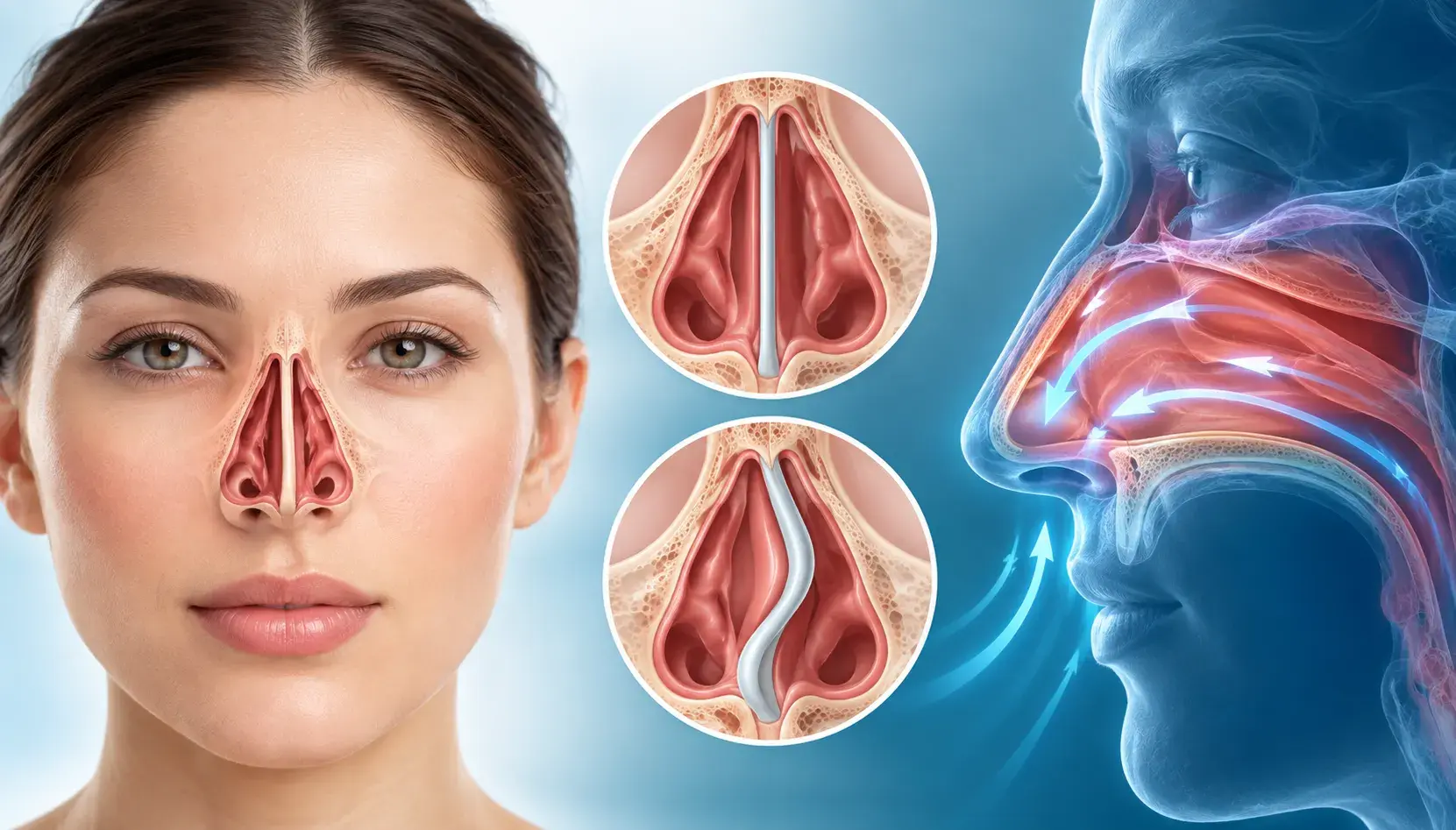
A deviated nasal septum occurs when the wall of cartilage and bone separating the two nasal passages is displaced or crooked. While a mild deviation may cause no problems, a significant deviation can contribute to difficulty breathing through the nose, persistent nasal blockage, snoring, nosebleeds, and disturbed sleep.
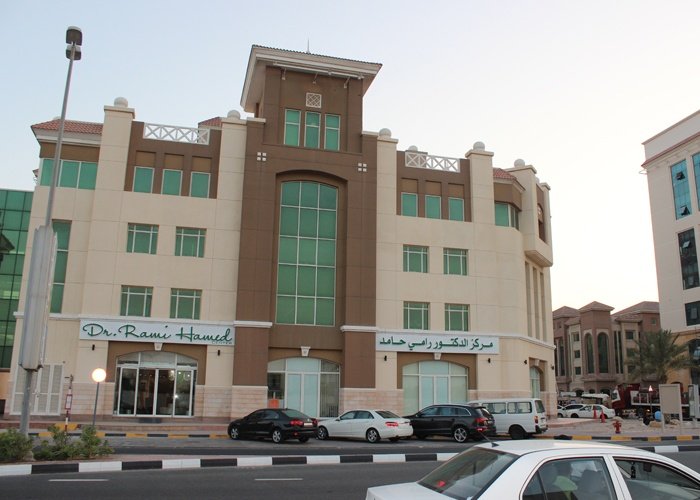
At Dr. Rami Hamed Center ENT Clinic in Dubai, our ENT specialist can assess persistent nasal obstruction, determine whether a deviated septum or another nasal condition is contributing to your symptoms, and recommend appropriate treatment. When structural obstruction significantly affects breathing, septoplasty may be considered.

What Is a Deviated Nasal Septum?
The nasal septum is the wall between the nostrils that divides the nose into two nasal passages and helps direct airflow. It consists mainly of cartilage in the front and bone toward the back.
When the septum bends significantly to one side, it can narrow a nasal passage and make breathing through the nose more difficult. A deviated septum may develop naturally during growth, be present from birth, or occur following an injury such as a broken nose. Patients who develop breathing problems following nasal trauma may also require assessment for a nasal fracture or other structural changes.
Some degree of septal deviation is common and does not always require treatment. Treatment is generally considered when the deviation is associated with troublesome symptoms or significantly affects nasal breathing.
What Are the Symptoms of a Deviated Septum?
Symptoms vary depending on the degree of deviation and whether other nasal conditions are present. Common symptoms may include:
These symptoms are not always caused by a deviated septum. Conditions such as allergic rhinitis, sinusitis, enlarged turbinates, nasal polyps, or nasal valve collapse can also contribute to nasal obstruction. An ENT examination can help identify the underlying cause.
How Is a Deviated Septum Diagnosed?
An ENT specialist can diagnose a deviated septum by discussing your symptoms and examining the inside of your nose. The doctor may assess the nasal passages, septum, turbinates, and surrounding structures to determine what is affecting airflow.
When appropriate, a thin, lighted instrument called a nasal endoscope may be used to examine deeper areas of the nasal passages and identify other possible causes of obstruction.
Does a Deviated Septum Always Need Surgery?
No. A deviated septum does not always require surgery. If symptoms are mild or partly related to allergies or inflammation, medical treatment may sometimes help control nasal congestion and improve breathing.
Medication cannot physically straighten a deviated septum. When significant structural deviation continues to cause troublesome nasal obstruction despite appropriate management, an ENT specialist may discuss septoplasty. In some patients, enlarged turbinates may also contribute to obstruction, and the specialist may assess whether turbinate reduction should be considered.
What Is Septoplasty?
Septoplasty is a surgical procedure used to correct a deviated nasal septum and improve the nasal airway when clinically indicated.
During septoplasty, the surgeon works through the nostrils to access the septum. Selected areas of bent cartilage or bone may be repositioned, reshaped, or removed while maintaining appropriate structural support for the nose.
The procedure may be performed under local or general anesthesia, depending on the individual case and treatment plan. In some patients, septoplasty may be combined with other nasal or nose surgery procedures when additional structural problems are present.
Who May Be Considered for Septoplasty?
Septoplasty may be considered when a deviated septum is significantly affecting nasal airflow and causing persistent symptoms such as:
- Ongoing difficulty breathing through the nose
- Significant obstruction of one or both nasal passages
- Persistent symptoms despite appropriate medical management
- Nasal obstruction affecting sleep or everyday activities
The decision to undergo surgery should be made after an ENT assessment. Your specialist can explain whether septoplasty is appropriate, available alternatives, and what to expect from the procedure and recovery.
Patients whose concerns also involve the external shape or structure of the nose may require a separate assessment to determine whether rhinoplasty or another nasal procedure is relevant to their individual condition.
ENT Consultation for Deviated Septum in Dubai
If you have persistent nasal blockage or difficulty breathing through your nose, an ENT consultation can help determine whether a deviated nasal septum or another nasal condition is responsible.
At DRHC ENT Clinic in Dubai, patients can receive specialist assessment for nasal obstruction, septal deviation, sinus conditions, snoring, and other ear, nose, and throat concerns. Treatment recommendations are based on your symptoms, examination findings, and individual clinical needs.
Frequently Asked Questions About Deviated Septum
Can a deviated septum cause difficulty breathing?
Yes. A significant septal deviation can narrow one or both nasal passages and reduce airflow through the nose. However, several conditions can cause nasal breathing difficulty, so persistent obstruction should be assessed by an ENT specialist.
Can a deviated septum cause snoring?
A deviated septum can contribute to nasal obstruction and may be associated with snoring in some patients. However, snoring has several possible causes. Patients with additional sleep-related breathing symptoms may require further evaluation for conditions such as sleep apnea.
Can medication fix a deviated septum?
No. Medication cannot straighten the cartilage or bone of a deviated septum. However, treating associated allergies, inflammation, or nasal swelling may improve breathing symptoms in some patients.
Which doctor treats a deviated septum?
A deviated septum is typically evaluated and treated by an ENT specialist (otolaryngologist). The ENT doctor can examine the nasal passages and determine whether medical management, septoplasty, or another treatment should be considered.
What is the difference between septoplasty and rhinoplasty?
Septoplasty primarily corrects the internal nasal septum to address functional problems such as nasal obstruction. Rhinoplasty addresses the external structure or appearance of the nose. In some patients, functional and structural concerns may need to be evaluated together.
If you are experiencing persistent nasal blockage or difficulty breathing through your nose, book an assessment at DRHC ENT Clinic in Dubai. To schedule an appointment, call 04 279 8200.
Individual treatment recommendations and suitability for surgery vary. An ENT consultation and clinical examination are required before deciding on treatment.