Pigmentary Glaucoma (Pigment Glaucoma) at Eye Clinic DRHC Dubai
Overview
Pigmentary Glaucoma, also known as Pigment Glaucoma, is a type of secondary open-angle glaucoma. It occurs when pigment granules, which are naturally found in the iris (the colored part of the eye), disperse into the eye’s drainage system, leading to increased intraocular pressure (IOP). Over time, the elevated pressure can cause damage to the optic nerve, resulting in vision loss if left untreated.
Causes and Risk Factors
Pigmentary Glaucoma typically develops due to the dispersion of pigment from the iris, which can clog the trabecular meshwork (the eye's drainage system). This disruption leads to impaired fluid outflow and increased eye pressure. Several factors can contribute to the development of this condition:
- Genetic: A family history of Pigmentary Glaucoma can increase the risk.
- Age: Most commonly diagnosed in younger adults, typically between the ages of 20 and 50.
- Gender: Men are more likely to develop Pigmentary Glaucoma than women.
- Myopia (Nearsightedness): Individuals with moderate to severe myopia are at a higher risk.
- Physical Activity: Activities that involve vigorous eye movements, such as jogging or certain sports, may increase pigment dispersion.
Symptoms of Pigmentary Glaucoma
Pigmentary Glaucoma may not present noticeable symptoms in its early stages. However, as the condition progresses, patients may experience:
- Blurred vision or vision disturbances
- Halos around lights, particularly in bright conditions
- Eye pain, especially after physical exertion
- Gradual loss of peripheral vision
Because the symptoms can be subtle, regular eye examinations are essential for early detection and management.
Diagnosis for Pigmentary Glaucoma
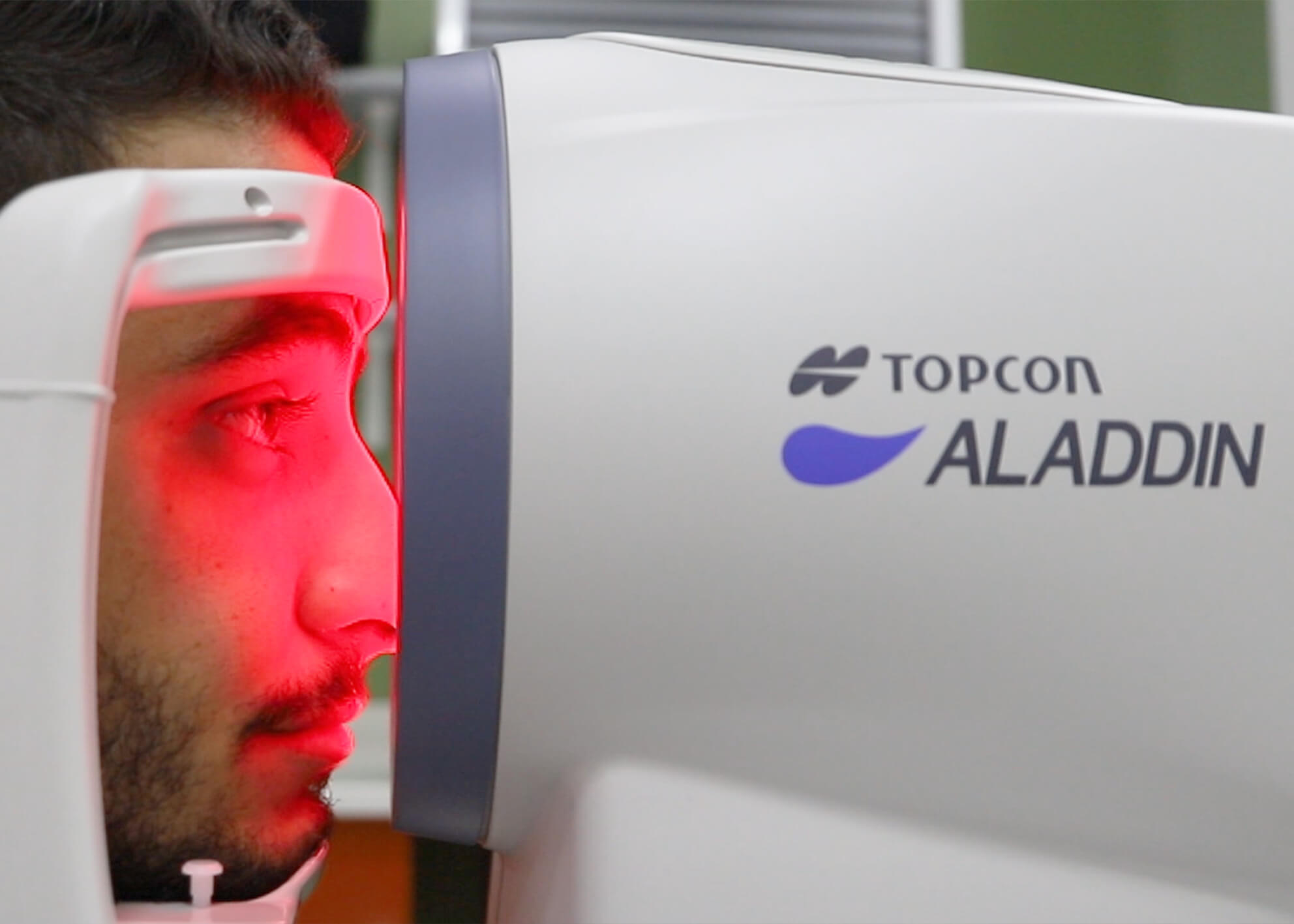
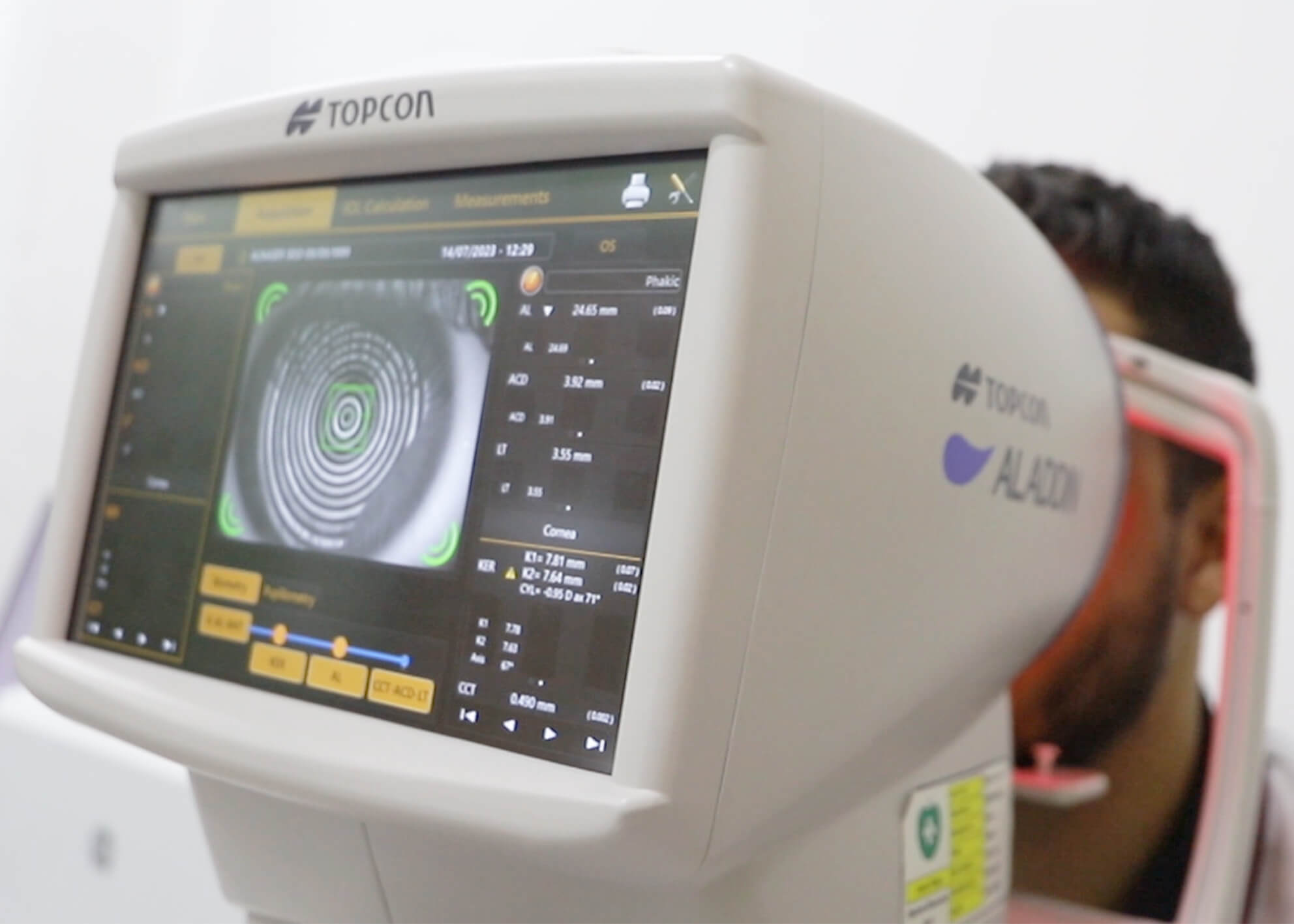
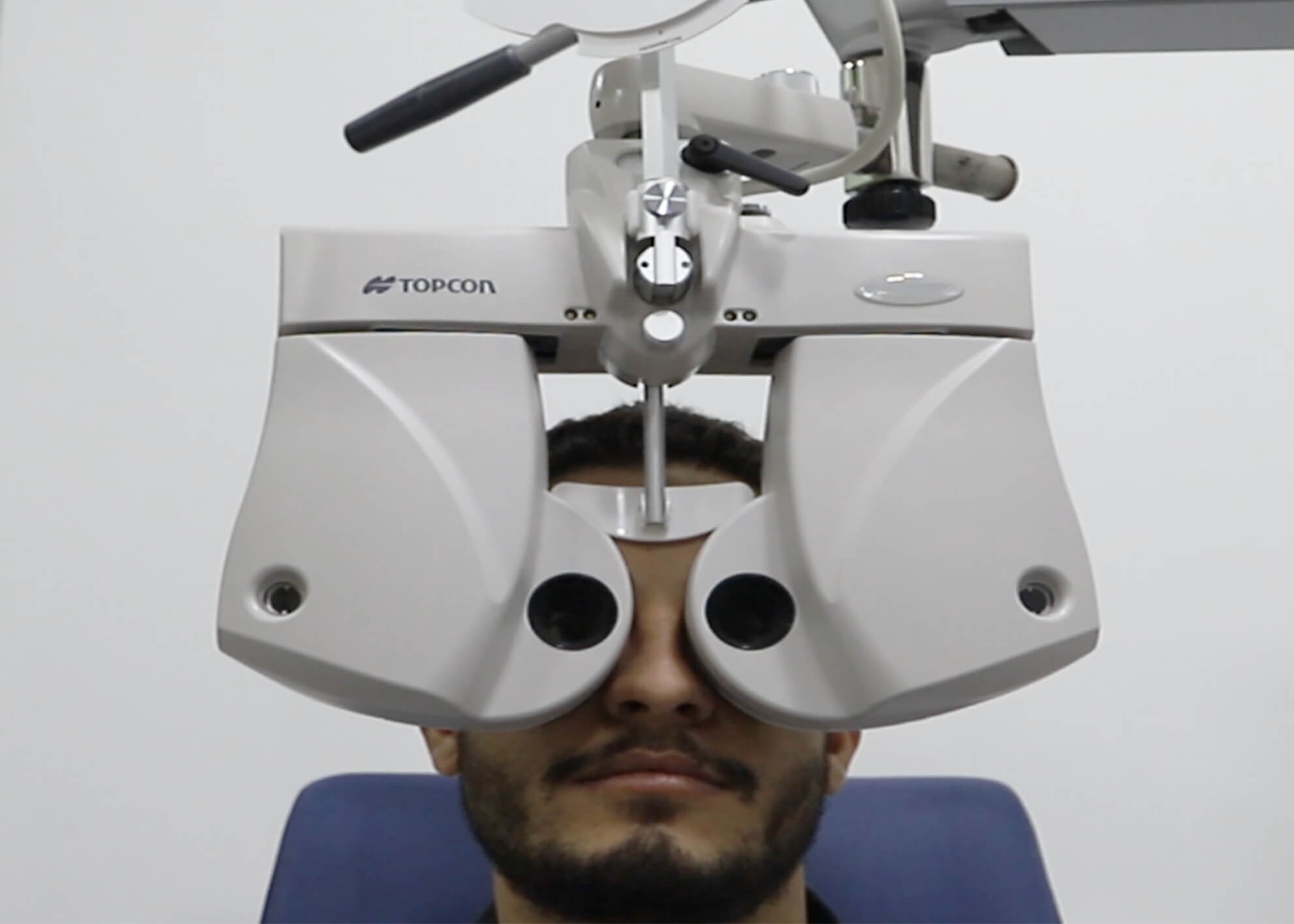
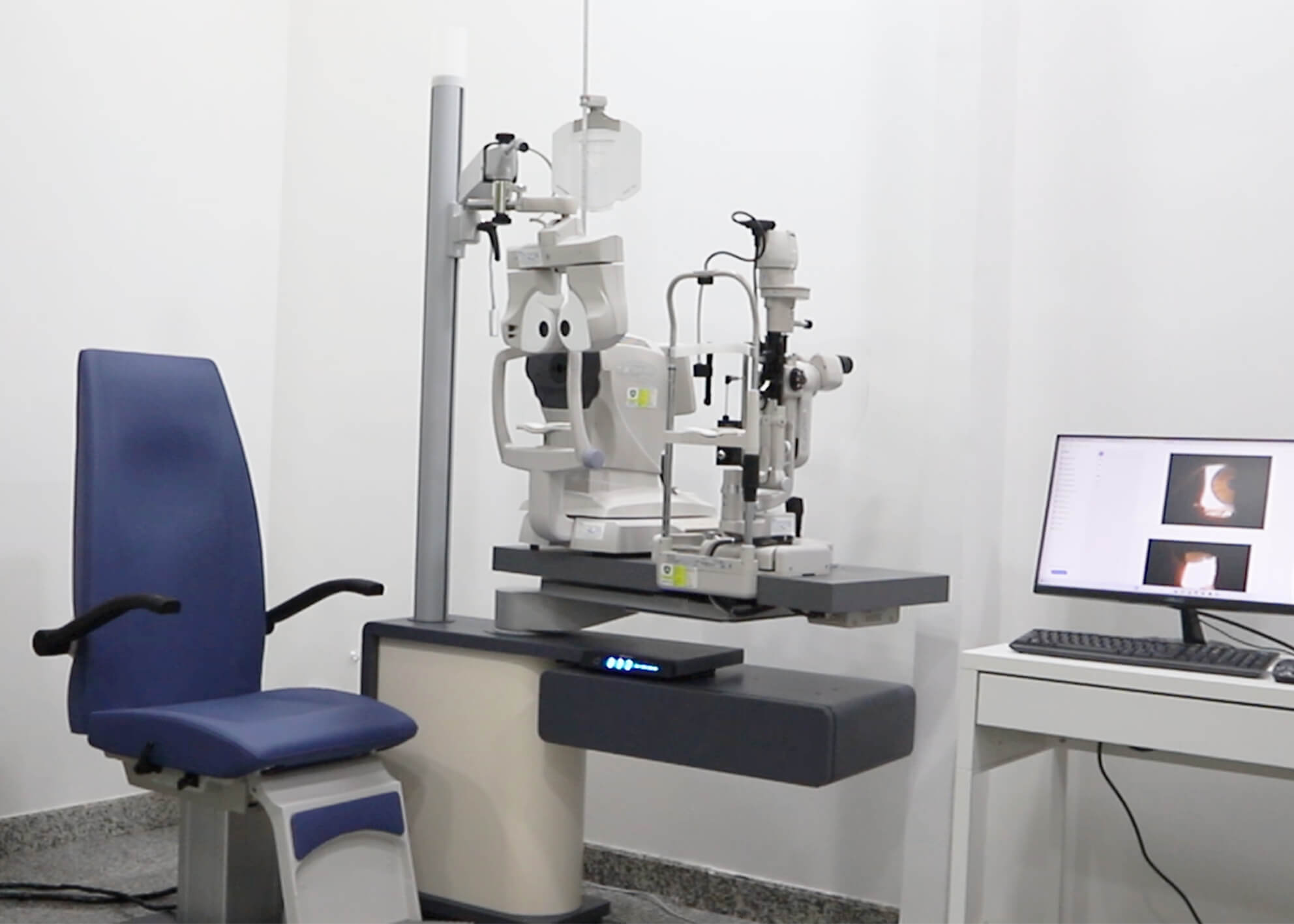
At DRHC Dubai, our ophthalmologists utilize advanced diagnostic tools to accurately detect Pigmentary Glaucoma:
- Comprehensive Eye Examination: This includes a detailed assessment of the optic nerve, retina, and other eye structures.
- Gonioscopy: A special lens is used to examine the drainage angle of the eye, where pigment accumulation may be observed.
- Tonometry: Regular monitoring of intraocular pressure is crucial for detecting glaucoma.
- Visual Field Test: This test helps assess peripheral vision and detect any early signs of vision loss.
- Optical Coherence Tomography (OCT): A non-invasive imaging test that provides detailed images of the optic nerve, helping to detect and monitor damage.
Management and Treatment
The primary goal of managing Pigmentary Glaucoma is to reduce intraocular pressure and prevent further damage to the optic nerve. At DRHC Dubai, we offer a range of treatment options tailored to the individual needs of each patient:
- Medications: Eye drops are often the first line of treatment to lower IOP and prevent further optic nerve damage. These may include beta-blockers, prostaglandin analogs, or carbonic anhydrase inhibitors.
- Laser Therapy: Laser procedures like Selective Laser Trabeculoplasty (SLT) can improve fluid drainage by targeting the trabecular meshwork, reducing eye pressure.
- Surgical Intervention: In cases where medications and laser therapy are insufficient, surgical options such as trabeculectomy or the implantation of drainage devices may be recommended to lower IOP and protect the optic nerve.
- Lifestyle Adjustments: Patients are advised to avoid activities that may increase pigment dispersion, such as vigorous exercise, and to manage underlying conditions that could exacerbate the condition.
Why Choose DRHC Dubai?
At DRHC Dubai, we are committed to providing comprehensive and personalized care for patients with Pigmentary Glaucoma. Our team of experienced ophthalmologists employs state-of-the-art diagnostic tools and treatment options to manage this condition effectively. We prioritize patient education and regular monitoring to ensure optimal outcomes and prevent vision loss.




.png?width=281&height=59&name=bookanappointment%20(1).png)