SIBO Testing and Treatment in Dubai
At DRHC Dubai, our gastroenterology team evaluates patients with persistent bloating, excessive gas, abdominal discomfort, constipation, diarrhea, and other digestive symptoms that may sometimes be related to Small Intestinal Bacterial Overgrowth (SIBO).
Because SIBO symptoms can overlap with conditions such as Irritable Bowel Syndrome (IBS), food intolerance, constipation, and other gastrointestinal disorders, proper assessment is important before treatment.
What Is Small Intestinal Bacterial Overgrowth (SIBO)?
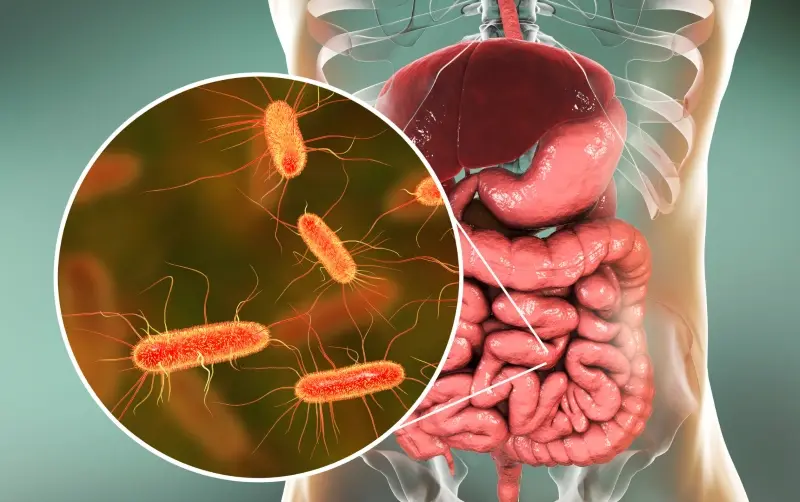
SIBO occurs when there is an abnormal increase in bacteria within the small intestine. This can interfere with normal digestion and, in some patients, contribute to symptoms such as bloating, gas, abdominal discomfort, diarrhea, or constipation.
Some patients may also experience nutritional deficiencies, fatigue, or unintended weight loss, especially when symptoms are more severe or prolonged.
What Are the Symptoms of SIBO?
- Persistent bloating or abdominal distension
- Bloating after meals
- Excessive gas or belching
- Abdominal pain or discomfort
- Diarrhea
- Constipation
- Changes in bowel habits
- Feeling unusually full after eating
- Fatigue or weakness
- Unintended weight loss in some cases
- Nutritional deficiencies in some patients
These symptoms are not specific to SIBO. IBS, food intolerance, celiac disease, constipation, gastrointestinal infections, and other digestive conditions may cause similar symptoms.
Why Am I Bloated After Eating?
Bloating after meals can have several possible causes. SIBO is one possibility, but symptoms may also be related to IBS, lactose intolerance, celiac disease, constipation, food intolerance, or altered intestinal motility.
Persistent bloating should not automatically be assumed to be SIBO. A gastroenterologist can help determine whether breath testing or another form of investigation is appropriate.
SIBO or IBS – How Can You Tell the Difference?
SIBO and IBS can cause very similar symptoms, including bloating, abdominal pain, diarrhea, constipation, and excessive gas.
IBS is diagnosed mainly from the pattern of symptoms and appropriate exclusion of other conditions. Suspected SIBO may sometimes be investigated using hydrogen and methane breath testing.
Because symptoms overlap, it is often not possible to distinguish SIBO from IBS based on symptoms alone.
What Causes SIBO?
SIBO may develop when normal movement, anatomy, or digestive function of the small intestine is disrupted. Depending on the patient, contributing factors may include:
- Intestinal motility disorders
- Previous abdominal or gastrointestinal surgery
- Structural changes such as strictures, adhesions, or diverticula
- Chronic constipation
- Previous gastrointestinal infections
- Diabetes and certain neurological conditions
- Celiac disease
- Conditions affecting digestion or absorption
- Certain medications in selected patients
Identifying possible contributing factors can be especially important when symptoms recur after treatment.
How Is SIBO Diagnosed?
Diagnosis usually begins with a detailed medical history, review of symptoms, bowel habits, previous treatments, medications, and associated gastrointestinal conditions.
Depending on the clinical situation, your gastroenterologist may recommend:
- Clinical examination
- Hydrogen and methane breath testing
- Blood tests to check for nutritional deficiencies or related conditions
- Testing for celiac disease when appropriate
- Stool tests in selected cases
- Further gastrointestinal investigations when clinically indicated
Hydrogen and Methane Breath Testing for SIBO
Breath testing is a non-invasive method that may be used to investigate suspected SIBO or intestinal methanogen overgrowth.
During the test, the patient drinks a test solution and breath samples are collected at intervals to measure gases such as hydrogen and methane.
An increase in hydrogen may support a diagnosis of SIBO in the appropriate clinical setting. Elevated methane is more accurately associated with intestinal methanogen overgrowth (IMO), which is commonly linked with constipation.
Learn more about hydrogen and methane breath testing at DRHC Dubai.
What Is the Difference Between Hydrogen SIBO and Methane Overgrowth?
Hydrogen-Predominant SIBO
Hydrogen-predominant bacterial overgrowth is often associated with bloating, abdominal discomfort, excessive gas, and diarrhea, although symptoms vary between patients.
Methane and Intestinal Methanogen Overgrowth (IMO)
Methane production is more strongly associated with constipation and slower intestinal transit. Because methane is produced by microorganisms called methanogens rather than bacteria, the term intestinal methanogen overgrowth (IMO) is preferred.
Why Can SIBO Come Back After Treatment?
Some patients improve after treatment but later develop recurrent symptoms. This does not always mean that the same treatment should simply be repeated.
When symptoms return, a gastroenterologist may reassess whether there is an underlying contributor such as altered intestinal motility, chronic constipation, a previous gastrointestinal infection, structural changes, medication effects, or another digestive condition.
Recurrent symptoms are one of the main reasons a proper gastroenterology assessment is important instead of relying only on repeated self-treatment.
Why Am I Still Bloated After SIBO Treatment?
Persistent bloating after treatment does not necessarily mean that SIBO is still present.
Other possible causes may include:
If symptoms persist or repeatedly return, reassessment may help determine whether SIBO is still present or whether another condition is contributing.
SIBO Treatment Options
Treatment depends on the patient's symptoms, breath-test findings, medical history, and any underlying contributing condition.
Management may include:
- Prescription treatment directed at bacterial overgrowth when clinically appropriate
- Management of constipation or altered intestinal motility
- Correction of nutritional deficiencies where present
- Dietary guidance based on symptoms and individual tolerance
- Management of associated gastrointestinal conditions
- Follow-up for recurrent or persistent symptoms
Antibiotics may be used in selected patients, but treatment should be prescribed and monitored by a doctor. Repeated or prolonged antibiotic use should not be undertaken without medical supervision.
Do Probiotics or Supplements Treat SIBO?
Patients often ask about probiotics, prebiotics, digestive enzymes, herbal products, and supplements. Evidence and tolerance can vary considerably between individuals, and some products may worsen symptoms in certain patients.
For this reason, supplements should not replace proper diagnosis or medical assessment, particularly when symptoms are persistent or recurrent.
Do I Need to Follow a Low-FODMAP Diet for SIBO?
Some patients with bloating or IBS-type symptoms may experience temporary improvement with a low-FODMAP approach or other dietary adjustments.
However, highly restrictive diets are not necessarily intended to be followed indefinitely. Long-term dietary management should be individualized to avoid unnecessary restriction and maintain adequate nutrition.
Can I Eat Normally Again After SIBO Treatment?
Many patients worry that they will need to avoid certain foods permanently. The goal of treatment is not simply to create an increasingly restrictive diet.
Food reintroduction depends on the patient's diagnosis, symptoms, nutritional status, and individual tolerance. If you are avoiding many foods because of ongoing digestive symptoms, it may be useful to reassess the underlying cause rather than continuing to remove foods indefinitely.
Conditions That Can Cause Symptoms Similar to SIBO
When Should You See a Gastroenterologist?
Consider seeing a gastroenterologist if you have persistent or recurrent bloating, excessive gas, abdominal discomfort, constipation, diarrhea, or digestive symptoms that do not improve despite dietary changes or previous treatment.
Medical assessment is particularly important if symptoms are accompanied by warning signs such as unexplained weight loss, gastrointestinal bleeding, anemia, persistent vomiting, fever, difficulty swallowing, or a significant change in bowel habits.
Frequently Asked Questions About SIBO
Can SIBO cause severe bloating after meals?
Yes. Bloating and abdominal distension are commonly associated with SIBO, although other gastrointestinal conditions may cause similar symptoms.
Can SIBO cause constipation?
Constipation can occur in patients with intestinal microbial overgrowth. Elevated methane levels are particularly associated with constipation and slower intestinal transit and are generally described as intestinal methanogen overgrowth (IMO).
Can SIBO cause diarrhea?
Yes. Diarrhea is one of the commonly reported symptoms associated with SIBO.
Can SIBO and IBS occur together?
Symptoms can overlap significantly, and some patients with IBS may also be investigated for SIBO. A gastroenterologist can determine whether breath testing or another evaluation is appropriate.
Can SIBO and gastritis occur together?
Yes. A patient may have more than one gastrointestinal condition. Upper abdominal pain, burning, nausea, or indigestion may require evaluation for gastritis, ulcers, H. pylori, or another upper gastrointestinal condition rather than being attributed automatically to SIBO.
Can H. pylori and SIBO occur together?
They are separate conditions and require different diagnostic approaches. Patients with upper abdominal symptoms may also need evaluation for H. pylori or other stomach disorders.
How is SIBO tested?
Hydrogen and methane breath testing is one commonly used non-invasive method. The decision to test should be based on symptoms, medical history, and clinical assessment.
Can SIBO come back after treatment?
Yes. Symptoms may recur in some patients. When this happens, the gastroenterologist may reassess the diagnosis and look for factors that could be contributing to recurrence.
Why am I still bloated even after treatment?
Persistent bloating may be caused by recurrent SIBO, IBS, constipation, food intolerance, celiac disease, altered intestinal motility, or another gastrointestinal condition.
Should I keep eliminating foods if I am always bloated?
Repeatedly eliminating foods without identifying the cause of symptoms may lead to unnecessary dietary restriction. Persistent bloating should be assessed so dietary advice can be based on the underlying problem.
When should bloating be investigated?
Bloating that is persistent, worsening, associated with significant pain, or accompanied by warning symptoms such as weight loss, bleeding, anemia, persistent vomiting, or major changes in bowel habits should be medically assessed.
Why Choose DRHC Dubai for SIBO Assessment?
- Specialist Gastroenterology Assessment: Evaluation of SIBO as well as other possible causes of persistent digestive symptoms.
- Hydrogen and Methane Breath Testing: Available when clinically appropriate.
- Comprehensive Digestive Care: Assessment of IBS, food intolerance, constipation, diarrhea, celiac disease, H. pylori, and motility disorders.
- Advanced Gastroenterology Services: Further testing and endoscopic evaluation when medically indicated.
- Individualized Treatment: Management based on symptoms, test results, medical history, and underlying conditions.
Book a Gastroenterology Consultation in Dubai
If you are experiencing persistent bloating, excessive gas, abdominal discomfort, constipation, diarrhea, or recurring digestive symptoms, our gastroenterology team can assess whether SIBO or another gastrointestinal condition may be contributing.
Book a Gastroenterology Consultation
Call 04 279 8200 or visit drhc.ae to book your appointment at DRHC Dubai.