Periodontal Surgery in Dubai
Specialist Gum Surgery & Periodontal Care at DRHC Dental Clinic
Advanced gum disease can damage the tissues and bone supporting your teeth. When non-surgical periodontal treatment is not sufficient, periodontal surgery may be recommended to manage deep periodontal pockets and certain supporting tissue defects.
At Dr. Rami Hamed Center (DRHC), our Periodontics service provides specialist assessment and treatment planning for patients who may require periodontal surgery in Dubai.
Our focus is on controlling periodontal disease, preserving natural teeth where clinically possible, and supporting long-term gum health.
What Is Periodontal Surgery?
Periodontal surgery, also known as gum surgery, refers to surgical procedures used to treat certain conditions affecting the gums, supporting bone, and tissues surrounding the teeth.
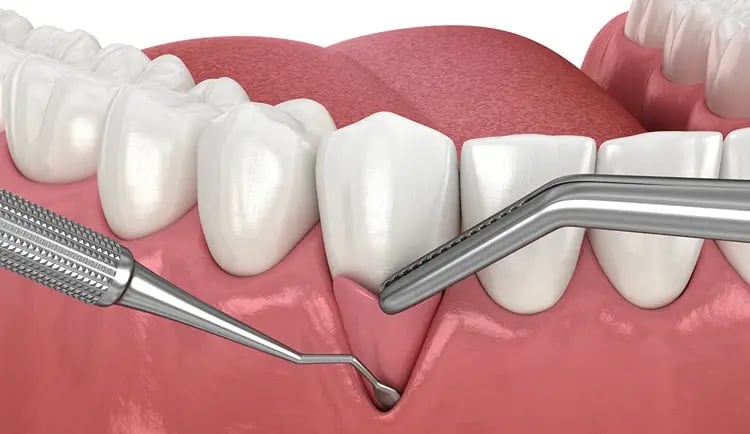
In patients with advanced periodontitis, inflammation can damage the attachment between the teeth and supporting tissues. This may cause deep periodontal pockets, gum recession, and bone loss.
These affected areas can sometimes be difficult to clean adequately through non-surgical methods alone.
Periodontal surgery may provide improved access to affected root surfaces, reduce persistent periodontal pockets, or manage selected bone and tissue defects.
Not every patient with gum disease requires surgery. The appropriate treatment depends on the diagnosis, disease severity, and response to initial periodontal care.
When Is Periodontal Surgery Needed?
A periodontist may recommend surgical treatment when a periodontal examination identifies:
- Persistent deep periodontal pockets after initial treatment
- Advanced periodontitis affecting the supporting tissues
- Supporting bone loss or selected periodontal defects
- Areas that remain difficult to clean adequately
- Gum disease that has not responded sufficiently to non-surgical care
- Certain gum or supporting tissue problems require surgical correction
Does advanced gum disease always require surgery? No. Many patients begin with non-surgical periodontal therapy. Surgery is considered according to the response to initial treatment and the remaining clinical concerns.
Types of Periodontal Surgery
Different surgical techniques may be considered depending on the condition of the gums, supporting bone, and treatment objectives.
Periodontal Flap Surgery
Also called access flap surgery, this procedure involves carefully lifting gum tissue to access affected root surfaces and supporting structures.
It allows the periodontal team to clean deep areas that may be difficult to reach during non-surgical treatment.
Periodontal Pocket Reduction Surgery
In selected cases, surgical treatment may be used to reduce persistent periodontal pocket depths.
The aim is to improve conditions for ongoing oral hygiene and professional periodontal maintenance.
Periodontal Regenerative Surgery
Certain periodontal bone defects may be suitable for regenerative procedures intended to encourage repair or regeneration of lost supporting structures.
Depending on the case, techniques may involve bone grafting materials, membranes, or other appropriate regenerative approaches.
Regeneration is not possible for every type of periodontal defect.
Periodontal Soft Tissue Surgery
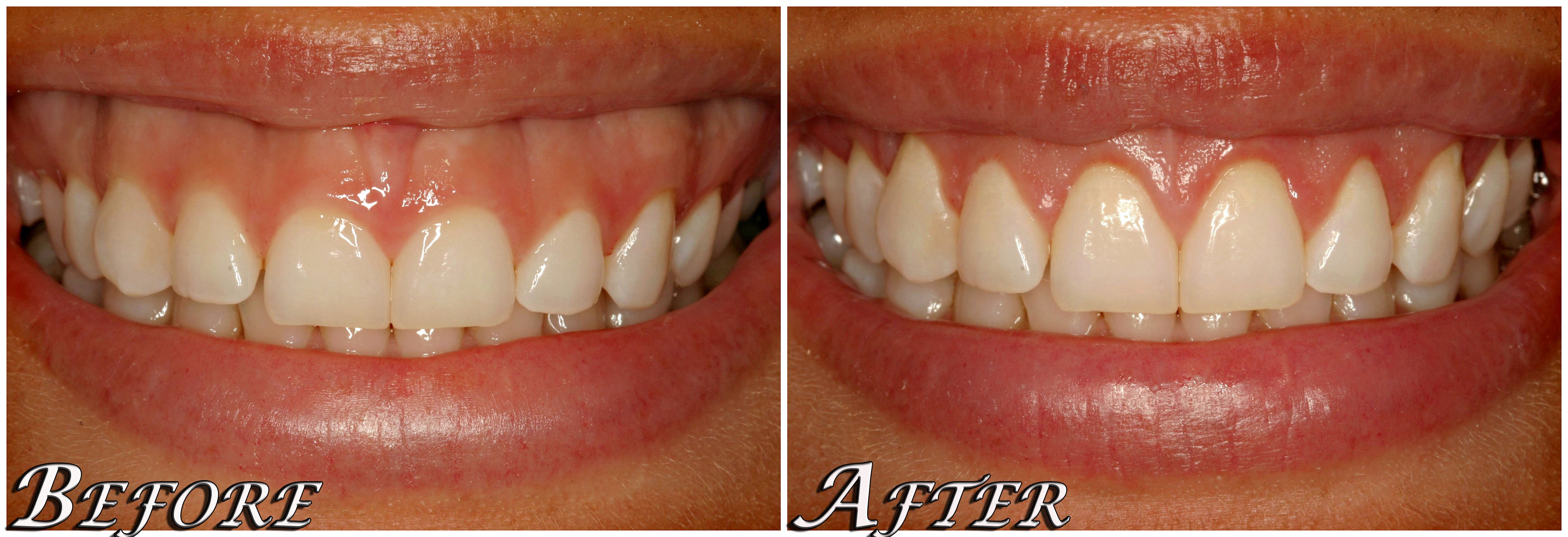
Certain gum conditions may require surgical procedures such as gum grafting, gingivectomy, or crown lengthening.
These procedures address specific soft tissue or restorative needs, rather than all being treatments for advanced periodontitis.
Explore Gum Grafting Surgery →
Non-Surgical vs. Surgical Periodontal Treatment
Periodontal surgery is not always the first treatment for gum disease. Many patients initially receive non-surgical periodontal care to manage bacterial deposits and inflammation.
Non-Surgical Periodontal Care
Initial treatment may involve professional periodontal cleaning, oral hygiene guidance, and scaling and root planing to remove plaque and calculus below the gumline.
Explore Scaling & Root Planing →
Surgical Periodontal Care
Surgery may be considered when persistent deep pockets, supporting tissue defects, or difficult-to-access affected areas remain after initial therapy.
The procedure depends on the clinical findings and individual treatment needs.
After initial treatment, the periodontal team may reassess pocket depths, bleeding, inflammation, and overall tissue health before recommending additional treatment.
How Is Periodontal Surgery Performed at DRHC?
Periodontal surgery begins with a clinical assessment and an individual treatment plan. The exact procedure depends on the condition being treated.
- Periodontal Examination: The gums, periodontal pockets, tooth mobility, and supporting bone are evaluated. Dental X-rays may be recommended when clinically indicated.
- Surgical Treatment Planning: The affected areas are identified, and the clinician explains the recommended procedure, expected benefits, risks, and alternatives.
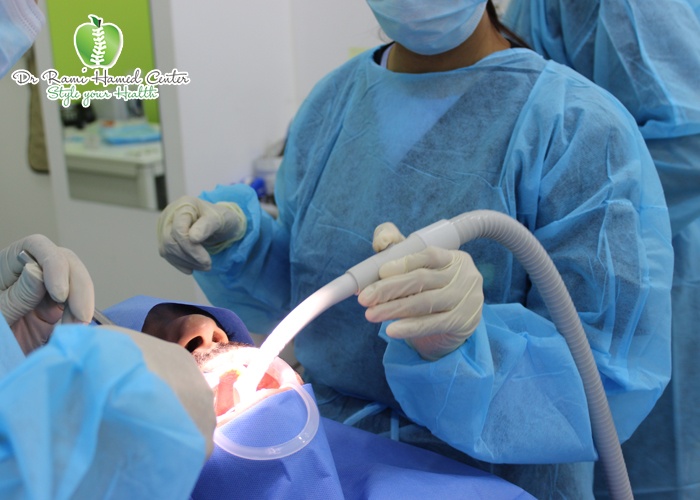
- Local Anesthesia: Periodontal surgery is generally performed under local anesthesia to improve comfort during treatment.
- Surgical Treatment: Depending on the procedure, gum tissue may be carefully repositioned to access root surfaces, clean affected areas, or manage selected periodontal defects.
- Post-Operative Review: Follow-up visits may be arranged to monitor healing, assess the surgical area, and remove sutures when appropriate.
Benefits of Periodontal Surgery
When recommended for an appropriate clinical indication, periodontal surgery may help:
- Improve access for cleaning deeply affected root surfaces.
- Reduce persistent periodontal pockets in suitable cases.
- Manage selected periodontal bone or tissue defects.
- Support disease control when non-surgical treatment has not been sufficient.
- Improve conditions for long-term periodontal maintenance.
- Help maintain natural teeth where clinically possible.
Important: Periodontal surgery cannot guarantee complete regeneration of lost tissues or the preservation of every affected tooth. Results depend on the severity of the disease, remaining supporting bone, healing, and long-term maintenance.
Recovery After Periodontal Surgery
Recovery depends on the type of periodontal surgery, the number of areas treated, and the individual healing response.
Patients may experience temporary:
- Gum tenderness or discomfort
- Mild swelling
- Minor bleeding
- Temporary tooth sensitivity
- Changes in gum appearance during healing
- Discomfort around surgical sites
Post-Operative Care
The dental team will provide specific instructions based on the procedure. These may include:
- Avoid brushing or flossing directly over the surgical area until advised
- Following recommended dietary precautions during the initial healing period
- Taking prescribed medication as instructed, when applicable
- Avoiding smoking, which can interfere with healing
- Attending scheduled follow-up and review appointments
If you develop heavy or persistent bleeding, worsening swelling, fever, or severe pain, contact your treating dental team promptly.
Are There Risks with Periodontal Surgery?
As with other surgical dental procedures, periodontal surgery carries potential risks and limitations.
Depending on the procedure, these may include bleeding, swelling, infection, gum recession, increased root sensitivity, and incomplete improvement.
The prognosis can also be influenced by smoking, periodontal disease severity, oral hygiene, and medical conditions that affect healing.
A periodontal consultation helps determine whether the anticipated benefits of surgery outweigh the potential risks and whether alternative treatments may be appropriate.
Maintaining Gum Health After Periodontal Surgery
Periodontal surgery is one part of managing periodontal disease. Long-term success also depends on ongoing plaque control and periodontal maintenance.
Your maintenance plan may include:
- Regular periodontal examinations and professional maintenance
- Daily toothbrushing and appropriate interdental cleaning
- Monitoring gum inflammation and periodontal pocket depths
- Management of smoking and other relevant risk factors
- Further periodontal treatment when clinically necessary
Follow-up intervals depend on the patient's condition, disease history, and individual risk profile.