Crown Lengthening in Dubai
Restorative & Cosmetic Crown Lengthening at DRHC Dental Clinic
When a tooth is broken near the gumline or covered by excess gum tissue, crown lengthening may be recommended to expose more of the natural tooth structure.
At Dr. Rami Hamed Center (DRHC), our Periodontics service provides assessment and treatment planning for crown lengthening in Dubai. The procedure may be performed to support a planned dental restoration or to improve the appearance of the gumline in suitable patients.
Treatment is planned around the condition of the teeth, gums, and supporting bone, with a focus on maintaining periodontal health.
What Is Crown Lengthening?
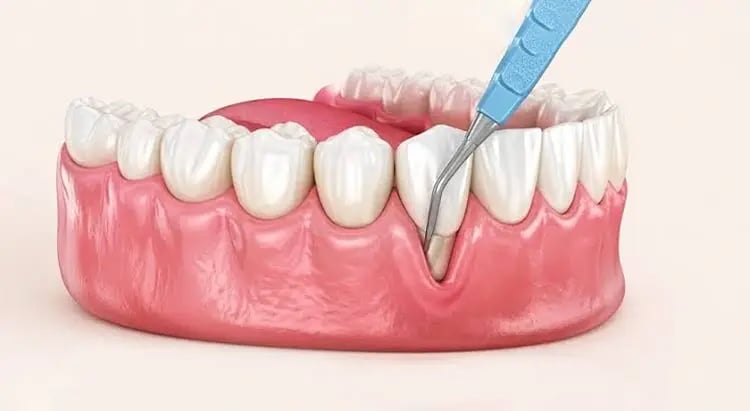
Crown lengthening is a periodontal surgical procedure that exposes additional natural tooth structure by adjusting the surrounding gum tissue and, when necessary, the supporting bone.
The visible part of a tooth above the gumline is called the clinical crown. In some cases, part of the natural tooth may be covered by gum tissue, or damage may extend beneath the gumline.
Crown lengthening allows the dental team to expose additional tooth structure where clinically appropriate.
Does crown lengthening actually make the tooth longer? No. The procedure does not increase the physical length of the tooth. It exposes more of the existing natural tooth structure by repositioning or reshaping the surrounding tissues.
Why Is Crown Lengthening Needed?
Crown lengthening is generally performed for restorative or cosmetic reasons. The treatment objective determines how the procedure is planned.
Restorative Crown Lengthening
Restorative crown lengthening may be recommended when additional tooth structure needs to be exposed before placing a dental crown, filling, or another restoration.
It may be considered when a tooth has deep decay or a fracture extending close to or below the gumline.
The aim is to improve access to the affected tooth and help create suitable conditions for restorative dental treatment.
Cosmetic Crown Lengthening
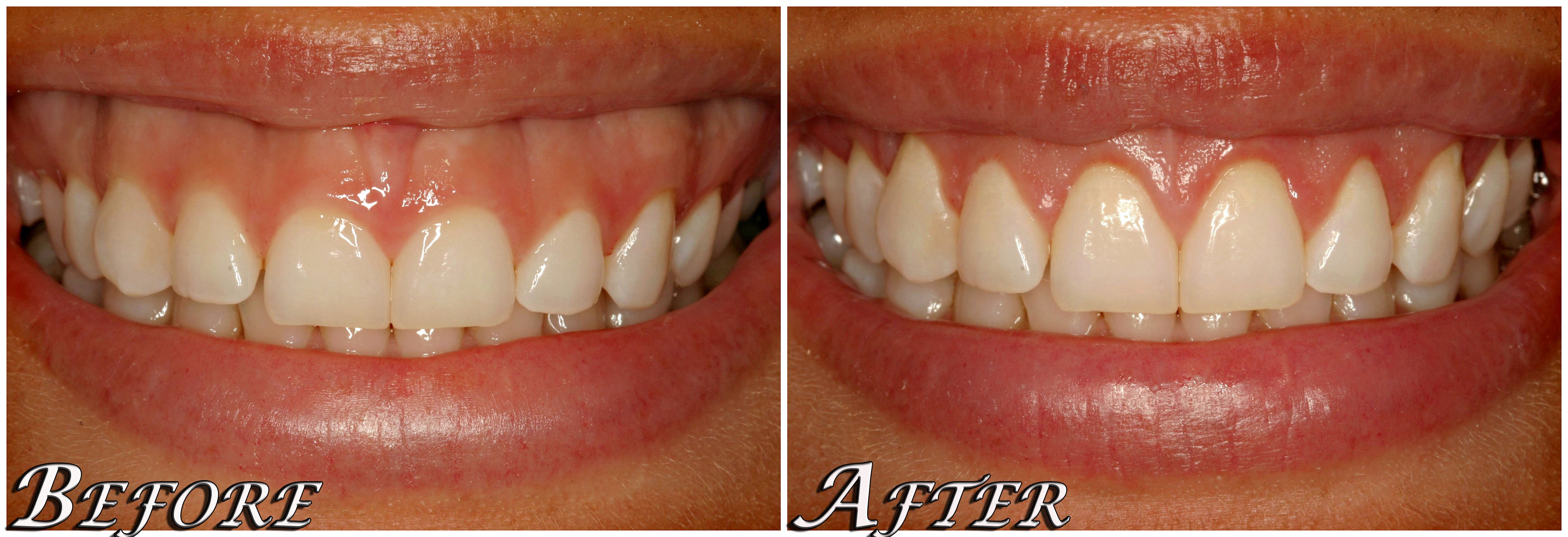
Cosmetic crown lengthening may be considered when teeth appear short because excess gum tissue covers part of their natural crowns.
In suitable cases, adjusting the gumline can improve the visible proportions of the teeth and create a more balanced appearance.
Not every patient with a gummy smile needs crown lengthening. The underlying cause must be assessed first.
When May You Need Crown Lengthening?
Your dentist or periodontist may recommend crown lengthening in situations such as:
- Broken teeth extending close to the gumline
- Tooth decay located beneath the gum tissue
- Insufficient accessible tooth structure for a dental crown
- Restorations requiring better access to the tooth margins
- Teeth appearing short due to excess gum coverage
- Selected cosmetic concerns involving the gumline
A periodontal examination is necessary to determine whether crown lengthening is appropriate or whether another treatment would be more suitable.
Types of Crown Lengthening Procedures
The technique depends on how much additional tooth structure is needed, the position of the gumline, and the surrounding bone.
Gum Tissue Recontouring
When sufficient tooth structure can be exposed by adjusting the gum tissue alone, a soft tissue procedure may be appropriate.
The clinician evaluates whether the amount of remaining gum tissue and its relationship to the supporting bone allow this approach.
Crown Lengthening with Bone Adjustment
In some cases, removing or repositioning gum tissue alone is not sufficient.
The procedure may also require careful modification of the supporting bone to expose the required tooth structure while maintaining appropriate periodontal tissue relationships.
The procedure is selected according to the restorative or cosmetic treatment objective and the patient's dental anatomy.
How Is Crown Lengthening Performed at DRHC?
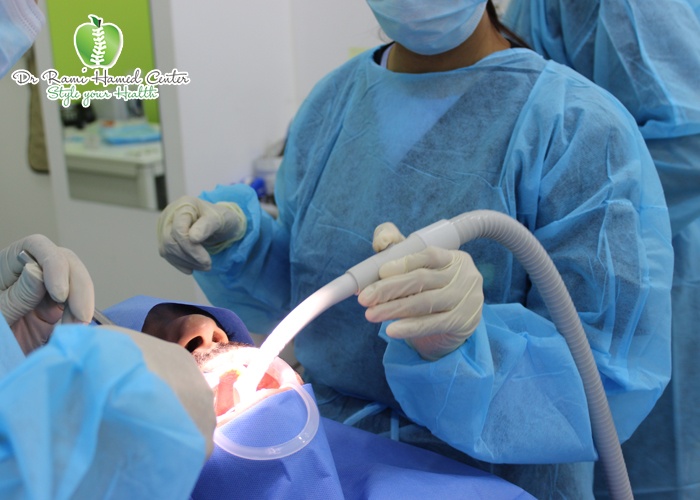
Crown lengthening begins with an examination and an individualized treatment plan. The exact surgical technique varies according to the condition being treated.
- Dental & Periodontal Assessment: The clinician examines the affected tooth, gum tissue, and supporting bone. Dental X-rays may be recommended to assess the tooth structure and surrounding anatomy.
- Treatment Planning: The amount of tooth structure that needs to be exposed is determined. For restorative cases, planning may be coordinated with the dentist performing the final restoration.
- Local Anesthesia Local anesthesia is generally administered to improve comfort during the procedure.
- Gum Tissue & Bone Adjustment: Depending on the treatment plan, the gum tissue is reshaped or repositioned. Supporting bone may also be adjusted when necessary.
- Healing & Follow-Up: The treated area is reviewed during follow-up appointments. For restorative cases, the final dental restoration may be completed after sufficient tissue healing.
Benefits of Crown Lengthening for Dental Restorations
For suitable restorative cases, crown lengthening may help provide access to natural tooth structure that would otherwise be difficult to restore.
- Expose additional tooth structure for a planned dental crown or other restoration.
- Improve access to areas affected by deep decay or fractures near the gumline.
- Help create suitable conditions for restoration margins and surrounding gum health.
- Support the restoration of certain damaged teeth where adequate tooth structure can be maintained.
Important: Crown lengthening is not suitable for every damaged tooth. The amount of remaining tooth structure, root length, bone support, and effect on neighboring teeth must be considered before surgery.
Can Crown Lengthening Improve a Gummy Smile?
Cosmetic crown lengthening may improve a gummy smile when excessive gum tissue covers part of the natural tooth crowns.
In these cases, carefully adjusting the gumline may expose more of the natural teeth and improve tooth-to-gum proportions.
However, excessive gum display can have different causes, including lip movement, tooth position, gum anatomy, and jaw relationships.
Crown lengthening is appropriate only when the clinical assessment identifies a suitable indication. Other causes of a gummy smile may require different treatments.
Explore Gummy Smile Treatment at DRHC →
Crown Lengthening vs. Gingivectomy: What Is the Difference?
Both procedures involve treatment of gum tissue, but they may have different objectives and surgical requirements.
Gingivectomy
Gingivectomy involves removing selected gum tissue to treat particular periodontal or aesthetic concerns.
It primarily involves soft tissue removal.
Explore Gingivectomy →
Crown Lengthening
Crown lengthening aims to expose additional natural tooth structure for restorative or cosmetic needs.
Depending on the case, treatment may involve both gum tissue and supporting bone adjustment.
The procedures can overlap, but they are not interchangeable in every clinical situation.
Recovery After Crown Lengthening
Recovery depends on the extent of surgery, the number of teeth treated, and whether bone adjustment was required.
Temporary symptoms may include:
- Gum tenderness
- Mild swelling
- Minor bleeding
- Temporary tooth sensitivity
- Changes in the appearance of the gumline
- Discomfort near the surgical area
Aftercare Recommendations
Your dental team will provide instructions based on the procedure. Recommendations may include:
- Avoid disturbing the surgical area during initial healing.
- Follow specific brushing and interdental cleaning instructions.
- Choose appropriate foods while the gums are sensitive.
- Take prescribed medications when applicable.
- Avoid smoking, which can interfere with healing.
- Attend scheduled follow-up appointments.
Initial discomfort may improve within several days, while the gum tissues can continue to mature over a longer period.
For restorative crown lengthening, the final crown or restoration may need to be delayed until the tissues have healed sufficiently.
Are There Risks or Limitations?
Crown lengthening is a surgical procedure, and suitability must be assessed carefully.
Possible risks and limitations include bleeding, infection, temporary or persistent sensitivity, gum recession, changes in tooth appearance, and incomplete achievement of the planned result.
In some situations, removing supporting bone to expose more tooth structure could compromise the support or appearance of the treated or neighboring teeth.
Alternative approaches, including restorative planning or orthodontic tooth movement, may be considered where appropriate.
The clinician will explain the expected benefits, potential limitations, and available options before treatment.
What to Expect During a Crown Lengthening Consultation
At DRHC, your consultation is intended to determine whether crown lengthening is appropriate for your dental needs.
The assessment may involve:
- Examining the affected tooth and surrounding gum tissue
- Evaluating supporting bone and available tooth structure
- Reviewing dental X-rays when clinically indicated
- Determining whether the treatment is restorative or cosmetic
- Discussing alternatives, risks, healing, and expected outcomes
- Preparing an individual treatment plan and applicable fee estimate