Gum Grafting Surgery in Dubai
Specialist Gum Grafting & Soft Tissue Surgery at DRHC Dental Clinic
Receding gums can expose tooth roots, increase sensitivity, and affect the appearance of your smile. In certain cases, gum grafting surgery may help restore or strengthen the gum tissue surrounding affected teeth.
At Dr. Rami Hamed Center (DRHC), our Periodontics service provides specialist assessment and treatment planning for gum grafting surgery in Dubai. The procedure may be recommended for patients with gum recession, exposed tooth roots, or insufficient gum tissue.
Treatment is tailored to the condition of your gums, supporting bone, and individual needs, with the aim of improving tissue coverage or thickness and supporting long-term periodontal health.
What Is Gum Grafting Surgery?
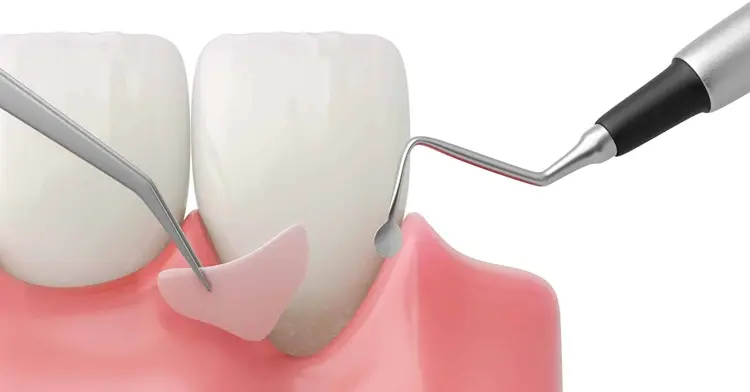
Gum grafting is a periodontal surgical procedure used to increase gum tissue thickness or improve coverage around teeth affected by recession.
During the procedure, soft tissue is placed in an area where additional gum tissue is needed. The graft may be obtained from another area of the patient's mouth, commonly the palate, or an alternative grafting material may be considered in selected situations.
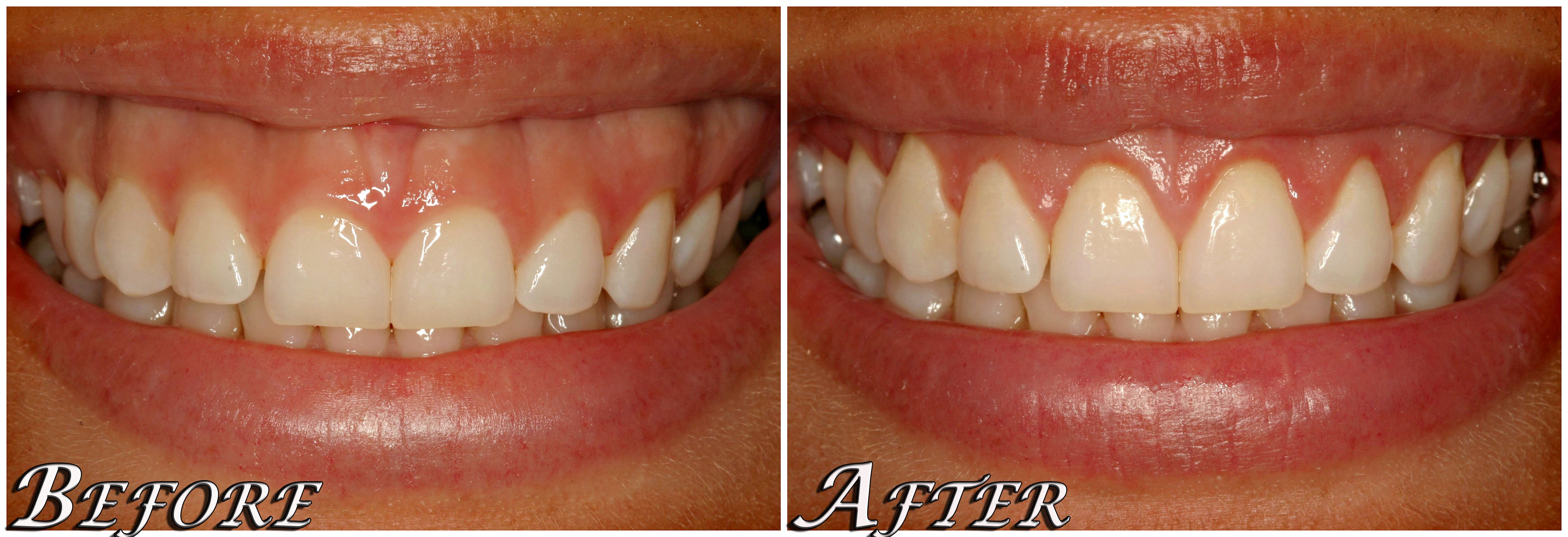
Depending on the technique, the procedure may help cover exposed root surfaces, increase tissue thickness, or improve the quality and stability of the surrounding gums.
Gum grafting is one of several treatments used to manage gum recession. It is not necessary for every patient with receding gums.
When Is Gum Grafting Surgery Needed?
A periodontist may recommend gum graft surgery when additional gum thickness or root coverage may provide a clinical benefit.
Gum grafting may be considered for:
- Receding gums exposing tooth roots
- Thin gum tissue around one or more teeth
- Progressive gum recession requiring specialist assessment
- Tooth sensitivity associated with exposed roots
- Selected cosmetic concerns involving uneven gumlines
- Certain soft tissue deficiencies around dental implants
Does every case of gum recession require grafting? No. Mild or stable gum recession may be managed without surgery. A periodontal examination is needed to determine whether gum grafting is appropriate.
Types of Gum Grafting Procedures
Different gum grafting techniques are available depending on the extent of recession, tissue thickness, supporting bone, and treatment objectives.
Connective Tissue Graft
A connective tissue graft commonly involves obtaining tissue from beneath the surface of the palate.
The tissue is positioned at the affected area to increase gum thickness and, in suitable cases, provide coverage of exposed tooth roots.
This technique is commonly used for selected gum recession defects.
Free Gingival Graft
A free gingival graft involves transferring a section of tissue, often from the palate, to an area requiring additional gum tissue.
It is primarily used to increase the amount or thickness of certain gum tissues around teeth.
Root coverage is not necessarily the main objective of this technique.
Pedicle & Repositioned Tissue Techniques
In selected cases, healthy gum tissue near the affected tooth can be carefully repositioned to provide additional coverage.
Suitability depends on the amount and condition of nearby gum tissue.
Alternative Soft Tissue Grafting Materials
Certain patients may be suitable for an alternative grafting material rather than tissue obtained from the palate.
The choice depends on the treatment objective, tissue requirements, available materials, and clinical assessment.
The appropriate gum grafting technique is determined after a specialist periodontal examination. Not all techniques or materials are indicated for every case.
How Is Gum Grafting Surgery Performed?
Gum grafting involves several stages, from periodontal assessment to surgical treatment and healing.
- Periodontal Examination: The clinician assesses gum recession, tissue thickness, exposed roots, and supporting structures. Existing gum disease and relevant risk factors are also evaluated.
- Treatment Planning: The gum specialist determines whether grafting is suitable and which technique may provide the intended clinical benefit. Treatment expectations and alternatives are discussed.
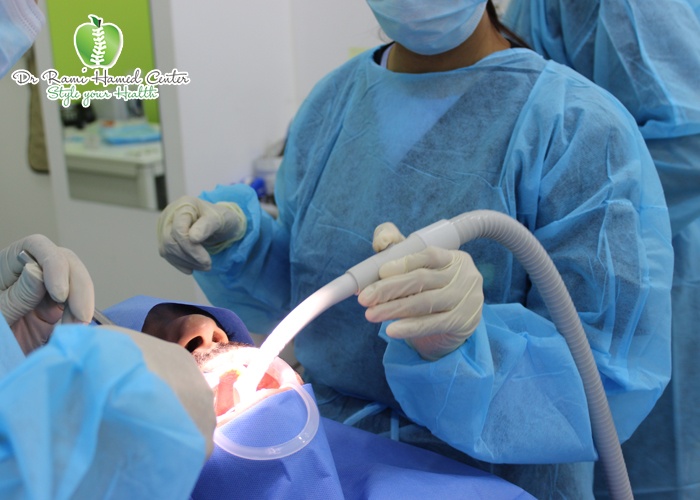
- Local Anesthesia: Gum grafting is generally performed under local anesthesia to improve comfort during treatment.
- Graft Preparation & Placement: Depending on the technique, graft tissue may be obtained from the palate or another suitable source. The tissue is positioned at the affected area and secured as required.
- Healing & Follow-Up: After surgery, the patient receives individualized aftercare instructions. Follow-up appointments allow the periodontal team to monitor graft healing and tissue response.
The procedure duration and number of visits depend on how many areas require grafting, the technique selected, and individual clinical needs.
What Are the Benefits of Gum Grafting?
Gum grafting can offer several potential benefits when performed for an appropriate indication.
- Increase gum tissue thickness: Improve tissue volume in selected areas with insufficient gum thickness.
- Cover exposed tooth roots: Provide partial or sometimes complete root coverage, depending on the clinical condition.
- Address root sensitivity: Root coverage may help reduce sensitivity associated with exposed root surfaces.
- Improve gumline appearance: Address selected aesthetic concerns caused by recession or uneven tissue levels.
- Support long-term tissue stability: Improve soft tissue conditions in areas that may benefit from greater gum thickness.
Important: Complete root coverage, elimination of sensitivity, and permanent prevention of further recession cannot be guaranteed. Outcomes depend on the condition of the tissues, supporting bone, surgical technique, and individual healing.
Who Is a Suitable Candidate for Gum Grafting?
Suitability depends on the cause and severity of gum recession, overall periodontal health, and the treatment objective.
During the consultation, the gum specialist may evaluate:
- Amount and pattern of gum recession
- Thickness and quality of the surrounding gum tissue
- Condition of the supporting bone and neighboring teeth
- Presence of active periodontal disease
- Smoking and other factors affecting healing
- Medical history and relevant systemic health conditions
- Oral hygiene habits and ability to follow post-operative care instructions
Active gum disease may need to be controlled before grafting is considered.
Not all recession defects are suitable for complete root coverage. The expected benefits and limitations are discussed during treatment planning.
Recovery After Gum Grafting Surgery
Recovery varies according to the gum grafting technique, number of areas treated, and individual healing response.
Common temporary symptoms after surgery may include:
- Gum tenderness
- Mild swelling
- Minor bleeding
- Discomfort at the graft site
- Palatal tenderness if tissue was harvested
- Temporary sensitivity during healing
Gum Graft Aftercare
Your periodontal team will provide specific post-operative instructions. These may include:
- Avoid brushing or flossing directly over the surgical area until instructed to resume.
- Eat softer foods during the initial healing period and avoid irritating the graft.
- Avoid smoking and activities that may disturb the surgical site.
- Use prescribed medications or mouth rinses only as directed.
- Attend follow-up appointments to monitor healing and remove sutures when appropriate.
Initial healing generally occurs over the first few weeks, while the grafted tissue may continue to mature over a longer period.
Contact the treating dental team if bleeding persists, swelling worsens, severe pain develops, or you are concerned about the surgical area.
Are There Risks with Gum Grafting Surgery?
Gum grafting is a surgical procedure, and possible complications should be discussed before treatment.
Risks may include bleeding, infection, swelling, discomfort, incomplete root coverage, changes in tissue appearance, or graft failure.
If tissue is taken from the palate, temporary discomfort can occur at the donor site as well.
The likelihood of successful healing may be influenced by smoking, oral hygiene, underlying gum disease, individual anatomy, and post-operative care.
A specialist consultation helps determine whether the expected benefits outweigh the potential risks for your individual condition.
Can Gum Grafting Restore Receding Gums?
Gum grafting may restore tissue coverage around selected exposed tooth roots, but it does not guarantee complete restoration of lost gums.
The extent of achievable root coverage depends on the recession pattern, available supporting tissues, the position of neighboring teeth, and other clinical factors.
In some patients, the objective is to increase gum thickness rather than to cover the entire exposed root.
Gum recession itself generally does not reverse naturally, which is why professional assessment is important when recession is progressing.
Learn More About Gum Recession Treatment →
How to Maintain Gum Health After Grafting
Long-term results depend not only on the surgical procedure but also on managing the factors that contributed to gum recession.
Patients may be advised to:
- Use gentle brushing techniques and avoid excessive pressure.
- Maintain appropriate daily oral hygiene and interdental cleaning.
- Attend recommended periodontal maintenance appointments.
- Seek treatment for active gum disease.
- Avoid smoking and address relevant risk factors.
- Report changes in gum levels, sensitivity, or inflammation.
Your periodontal team can recommend an appropriate maintenance plan based on your gum condition and treatment history.