Gum Recession Treatment in Dubai
Specialist Care for Receding Gums at DRHC Dental Clinic
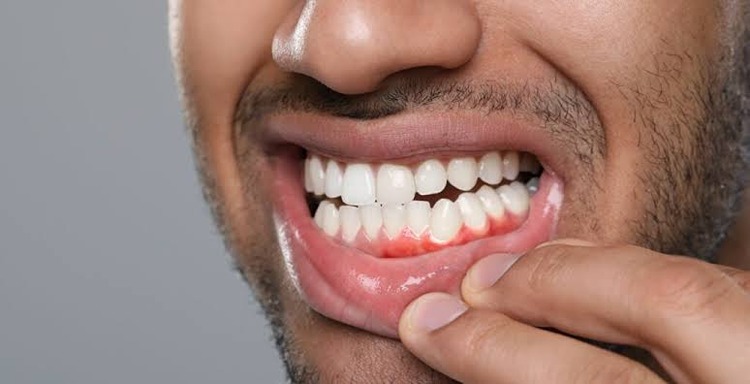
Have your teeth started looking longer, or are you experiencing sensitivity near the gumline? These changes may be signs of gum recession, a condition in which the gums gradually pull away from their normal position around the teeth.
At Dr. Rami Hamed Center (DRHC), our Periodontics service provides specialist gum recession treatment in Dubai. We assess the cause and severity of recession and recommend appropriate treatment to protect exposed root surfaces, manage sensitivity, and maintain periodontal health.
Treatment may involve non-surgical management or, for suitable patients, gum grafting surgery.
What Is Gum Recession?
Gum recession occurs when the edge of the gum tissue moves away from its normal position, exposing more of the tooth or its root surface.
Unlike enamel, tooth root surfaces are not covered by the same protective outer layer. When exposed, they may become more sensitive to temperature changes and more vulnerable to certain forms of tooth wear and decay.
Gum recession can affect one tooth or several teeth. Some patients notice changes in their smile, while others become aware of the condition during a routine dental examination.
What Causes Receding Gums?
Gum recession can develop for several reasons, and more than one factor may contribute.
Periodontal Disease
Periodontitis can damage the tissues supporting the teeth, resulting in gum recession and supporting bone loss.
Aggressive Brushing
Brushing with excessive pressure or using traumatic brushing techniques can contribute to gum recession.
Thin Gum Tissue
Some patients naturally have thin or delicate gum tissue, making certain areas more susceptible to recession.
Tooth Position & Other Factors
Tooth alignment, smoking, local irritation, and certain oral habits may contribute to changes in the gumline.
Identifying the underlying cause is essential because treatment varies according to the condition and severity of gum recession.
Signs You May Need Gum Recession Treatment
You may benefit from a periodontal examination if you notice:
- Teeth appearing longer than before
- Visible or exposed tooth roots
- Sensitivity to cold drinks or brushing
- Uneven gum levels around teeth
- Progressive changes in the gumline
- Gum recession with bleeding or inflammation
Gum recession does not always cause pain. It may develop gradually, making early detection and professional assessment important.
How Is Gum Recession Diagnosed?
At DRHC Dubai, a specialist periodontal assessment may include examining the gum levels, tissue thickness, inflammation, and supporting structures around the affected teeth.
The examination may involve measuring the extent of recession, checking periodontal pocket depths, and reviewing dental imaging when an assessment of supporting bone is required.
These findings help determine whether the recession is stable or progressing, whether active periodontal disease is present, and which treatment options may be appropriate.
Gum Recession Treatment Options at DRHC
Treatment depends on the extent of recession, gum thickness, exposed root surfaces, and overall periodontal health.
Non-Surgical Gum Recession Management
Mild or stable recession may be managed by treating gum inflammation, improving brushing techniques, addressing contributing factors, and monitoring gum levels.
Gum Grafting Surgery
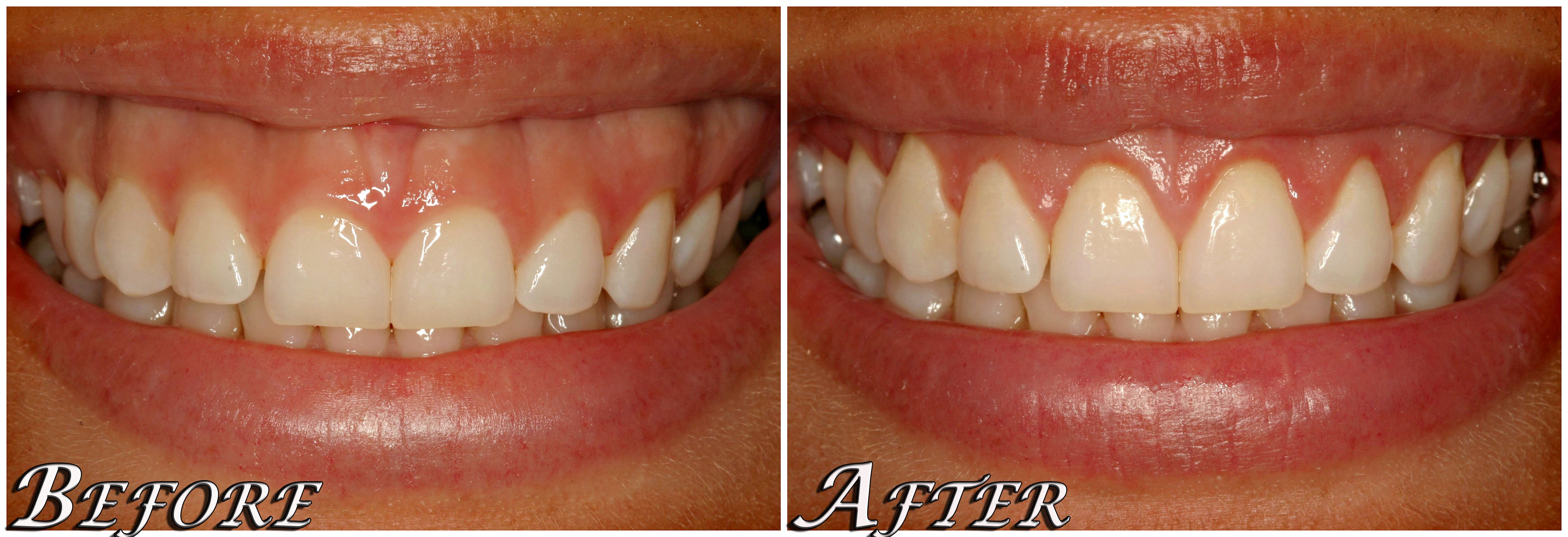
For suitable patients, gum grafting may improve gum tissue thickness or provide coverage of exposed roots.
Explore Gum Grafting Surgery →
Gum Disease Treatment
When a recession is associated with periodontitis, controlling the underlying gum disease is an important part of treatment.
Explore Gum Disease Treatment →
Periodontal Maintenance
Follow-up examinations, professional periodontal care, and appropriate oral hygiene help monitor gum health and manage factors contributing to further recession.
Does every patient need gum grafting?
No. Many patients can be managed without surgery. Gum grafting is considered when tissue coverage or thickness may provide a clinical benefit.
What to Expect During Your Gum Recession Consultation
Your consultation at DRHC focuses on understanding the cause of recession and identifying suitable treatment options.
- Clinical Examination: Your gums, exposed roots, and surrounding tissues are examined for signs of inflammation, recession, and tissue changes.
- Periodontal Assessment: Recession levels and periodontal measurements may be recorded. Dental imaging may be recommended when necessary.
- Review of Treatment Options: The clinician explains whether non-surgical care, monitoring, or gum grafting may be suitable.
- Individual Treatment Plan: You receive an explanation of the recommended treatment, expected benefits, limitations, and follow-up requirements.
Can Receding Gums Grow Back?
Receded gum tissue generally does not grow back naturally. Non-surgical treatment may help control the underlying causes and reduce the risk of further progression.
For selected patients, gum grafting surgery may improve gum coverage or thickness. However, complete root coverage is not possible in every case.
Treatment aims may include protecting exposed roots, reducing sensitivity, improving tissue stability, or addressing aesthetic concerns.
How to Protect Your Gums from Further Recession
Long-term gum care is important whether your treatment involves non-surgical management or surgery.
- Use a soft-bristled toothbrush and avoid excessive brushing pressure.
- Maintain consistent brushing and appropriate interdental cleaning.
- Seek treatment for active periodontal disease.
- Avoid smoking and address relevant contributing factors.
- Attend recommended periodontal reviews and maintenance appointments.
Your periodontal team can recommend appropriate home-care techniques based on your gum condition.