Scaling and Root Planing in Dubai
Non-Surgical Deep Gum Cleaning at DRHC Dental Clinic
Bleeding gums, persistent inflammation, and deep periodontal pockets may indicate gum disease that requires treatment beyond routine dental cleaning.
At Dr. Rami Hamed Center (DRHC), our Periodontics service provides scaling and root planing in Dubai for patients with periodontitis and other periodontal conditions requiring deep cleaning.
This non-surgical treatment removes plaque and hardened deposits from affected tooth roots below the gumline to help reduce inflammation, improve periodontal health, and manage gum disease.
What Is Scaling and Root Planing?
Scaling and root planing, commonly called periodontal deep cleaning, is a non-surgical treatment for teeth affected by periodontitis.
When bacterial plaque and calculus accumulate below the gumline, inflammation may damage the tissues supporting the teeth. Deep periodontal cleaning helps remove these deposits from affected root surfaces.
Scaling
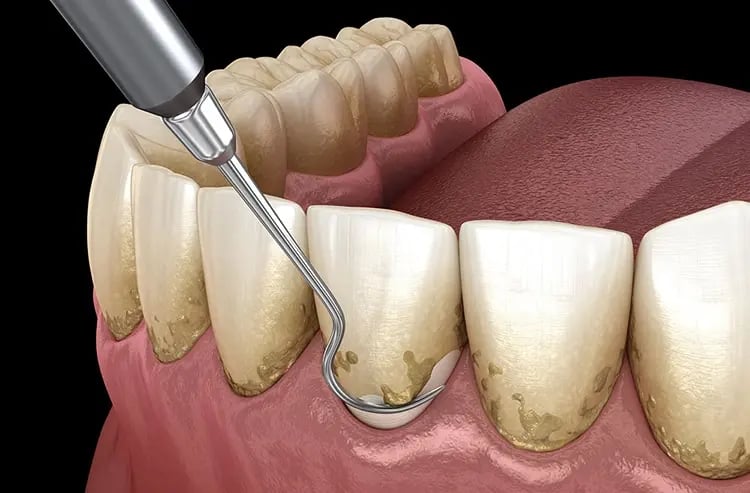
Scaling removes plaque and hardened calculus (tartar) from tooth surfaces, including areas beneath the gumline that are affected by periodontal disease.
Root Planing
Root planing involves cleaning and appropriately smoothing affected root surfaces to remove deposits and help support periodontal healing.
The objective is to reduce the bacterial deposits associated with periodontitis and allow the surrounding gum tissues to respond to treatment.
Scaling and Root Planing vs. Regular Dental Cleaning
Although both procedures remove dental deposits, routine dental cleaning, scaling, and root planing serve different purposes.
Regular Dental Cleaning
Routine cleaning focuses mainly on removing plaque, tartar, and stains from accessible tooth surfaces as part of preventive dental care.
Scaling & Root Planing
Deep periodontal cleaning targets root surfaces below the gumline where periodontal pockets, bacterial deposits, and supporting tissue damage are present.
Important: Not everyone with bleeding gums requires scaling and root planing. A dental examination is necessary to identify whether gingivitis, periodontitis, or another condition is present.
Who May Need Scaling and Root Planing?
A periodontist may recommend deep gum cleaning when a periodontal assessment identifies:
- Periodontal pockets around the teeth
- Plaque or tartar below the gumline
- Persistent gum inflammation or bleeding
- Diagnosed periodontitis
- Loss of periodontal attachment
- Supporting bone loss associated with gum disease
Patients may also notice persistent bad breath, gum recession, tenderness, or loose teeth. However, periodontal disease can sometimes develop without significant discomfort.
Early periodontal assessment helps determine the extent of disease and whether non-surgical treatment is appropriate.
How Is Scaling and Root Planing Performed at DRHC?
Treatment begins with a periodontal examination to evaluate your gums, periodontal pockets, and supporting tissues.
- 1. Periodontal Examination: The dental team examines gum inflammation, bleeding, pocket depths, and supporting tissue conditions. Dental X-rays may be recommended when clinically indicated.
- 2. Treatment Planning: The affected teeth and areas are identified. Treatment may be completed in one or multiple appointments, depending on the extent of periodontal disease.
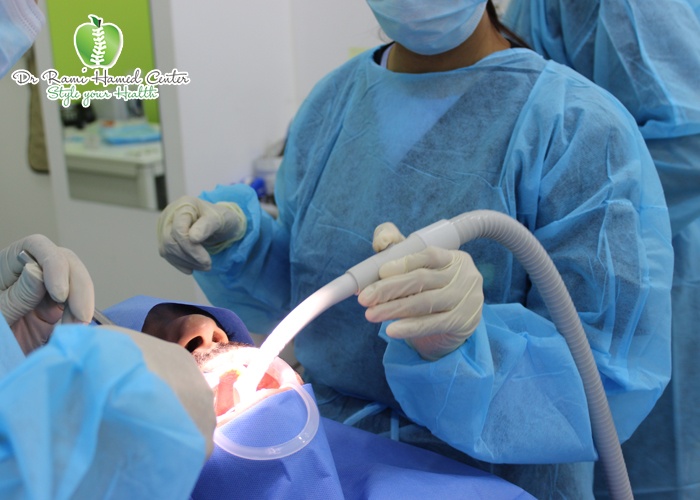
- 3. Deep Periodontal Cleaning: Specialized hand instruments and/or ultrasonic devices are used to remove plaque and calculus from affected tooth and root surfaces below the gumline. Local anesthesia may be used for comfort.
- 4. Healing and Reassessment: After a suitable healing period, the periodontal team may reassess bleeding, gum inflammation, and periodontal pocket measurements to evaluate the response to treatment.
Additional treatment is only recommended when indicated by the clinical findings and response to initial periodontal care.
Benefits of Scaling and Root Planing
When appropriate for the diagnosis, scaling and root planing can help:
- Reduce gum inflammation by removing deposits associated with periodontal disease.
- Reduce periodontal pocket depths in responsive areas as the gum tissues heal.
- Control bacterial plaque accumulation below the gumline.
- Support periodontal stability and help protect the tissues supporting natural teeth.
- Reduce the need for additional treatment in some patients when non-surgical therapy achieves suitable disease control.
Results depend on disease severity, patient risk factors, oral hygiene, and the response to treatment.
What to Expect After Scaling and Root Planing
Following deep gum cleaning, some patients experience temporary:
- Tooth sensitivity
- Mild gum tenderness
- Slight bleeding
- Discomfort around treated areas
As gum inflammation decreases, swelling may reduce, and the gums may appear to tighten around the teeth. An existing recession can sometimes become more noticeable after inflation subsides.
Aftercare Recommendations
Patients should follow their dental team's instructions for brushing, interdental cleaning, and any prescribed medications or mouth rinses. A soft-bristled toothbrush and gentle cleaning techniques may be recommended while the gums are sensitive.
If bleeding is heavy or persistent, pain is worsening, or swelling is increasing, contact your dental team for assessment.
Is Scaling and Root Planing Enough to Treat Gum Disease?
Many patients with periodontitis respond to non-surgical periodontal treatment. However, scaling and root planing may not be sufficient for every case.
If deep pockets, persistent bleeding, or other periodontal defects remain after healing and reassessment, additional treatment may be necessary.
Depending on the condition, this may include further periodontal instrumentation, periodontal surgery, or a structured maintenance program.
The aim is to control disease and preserve natural teeth wherever clinically possible.
Maintaining Healthy Gums After Deep Cleaning
Scaling and root planing is part of a broader approach to managing periodontal disease. Long-term maintenance is important because periodontitis can recur or progress without appropriate care.
Your periodontal maintenance plan may include:
- Regular periodontal examinations
- Professional cleaning when indicated
- Daily brushing and interdental cleaning
- Monitoring periodontal pocket depths
- Management of smoking and other risk factors
- Follow-up treatment where necessary
The recommended follow-up schedule is based on your periodontal condition and individual risk profile.