Gum Disease Treatment in Dubai
Specialist Care for Gingivitis & Periodontitis at DRHC Dental Clinic
Bleeding gums, persistent bad breath, or swollen gums may be signs of gum disease. Without appropriate care, advanced periodontal disease can damage the tissues and bone supporting your teeth.
At Dr. Rami Hamed Center (DRHC), our Periodontics service provides gum disease treatment in Dubai, including diagnosis and management of gingivitis, periodontitis, and advanced periodontal conditions.
From professional gum cleaning and non-surgical periodontal treatment to gum surgery when clinically indicated, our approach focuses on controlling inflammation, preserving natural teeth where possible, and maintaining long-term periodontal health.
Book a Gum Specialist Consultation →
What Is Gum Disease?
Gum disease, also known as periodontal disease, is an inflammatory condition affecting the gums and supporting structures of the teeth.
It develops when bacterial plaque accumulates around the gumline and triggers inflammation. If periodontal disease progresses, it can damage the tissues attaching teeth to the jawbone.
There are two important forms of gum disease: gingivitis and periodontitis.
Gingivitis
Gingivitis is inflammation of the gums without periodontitis-related loss of supporting tissues. Common symptoms include bleeding, redness, and swelling.
Gingivitis can generally be reversed with appropriate plaque control, professional cleaning when needed, and improved oral hygiene.
Periodontitis
Periodontitis is a more advanced form of gum disease involving damage to the tissues and bone supporting the teeth.
It may cause deep periodontal pockets, gum recession, tooth mobility, and eventual tooth loss if disease progression is not controlled.
Why does early diagnosis matter? Gingivitis can often be reversed, while tissue and bone loss caused by periodontitis generally cannot be fully restored through routine cleaning. Timely periodontal care helps manage disease and limit further damage.
Signs and Symptoms of Gum Disease
Gum disease can develop gradually, sometimes without noticeable pain. You may need a periodontal examination if you experience:
- Bleeding during brushing or flossing
- Red, swollen, or tender gums
- Persistent bad breath
- Receding gums or exposed tooth roots
- Loose or shifting teeth
- Changes in the way your teeth fit together
- Sensitivity around the gumline
- Discharge or pus around the affected gums
Persistent bleeding gums should not be ignored. Bleeding may indicate gingivitis or periodontitis, although other causes are also possible.
A clinical examination helps identify the underlying condition and determine whether treatment is needed.
What Causes Gum Disease?
Bacterial plaque is a major cause of gum inflammation. However, several additional factors can increase the risk of developing periodontitis or influence its severity.
Plaque & Tartar Accumulation
Inadequate plaque removal allows bacteria to accumulate around the gumline. Hardened deposits, known as calculus or tartar, require professional removal.
Smoking & Tobacco Use
Smoking increases the risk of periodontal disease and may negatively affect healing and response to gum treatment.
Diabetes & General Health
Poorly controlled diabetes can increase susceptibility to periodontitis and influence periodontal treatment outcomes.
Individual Susceptibility
Genetic predisposition, certain medications, hormonal changes, and other health factors may influence gum inflammation and periodontal risk.
Identifying relevant risk factors helps the periodontal team create a treatment and maintenance plan suited to the individual patient.
How Is Gum Disease Diagnosed?
A periodontal assessment identifies the type and extent of gum disease and determines the appropriate treatment approach.
At DRHC, the examination may include:
- Reviewing your symptoms and dental history
- Examining gum inflammation and recession
- Measuring periodontal pocket depths
- Assessing bleeding and tooth mobility
- Reviewing dental X-rays when indicated to evaluate supporting bone
- Discussing the diagnosis, treatment options, and maintenance
Periodontal pocket measurements and supporting bone assessment help distinguish gingivitis from periodontitis and guide treatment decisions.
Gum Disease Treatment Options at DRHC
Gum disease treatment depends on the diagnosis and severity of the condition. Not every patient requires deep cleaning or periodontal surgery.
Professional Gum Cleaning
For gingivitis, professional removal of plaque and calculus, together with improved home oral hygiene, can help control inflammation and restore healthier gum conditions.
Scaling & Root Planing
Scaling and root planing is a non-surgical deep cleaning procedure used to remove bacterial deposits and calculus from affected root surfaces below the gumline.
It is commonly recommended for patients with periodontitis.
View Treatment →
Periodontal Surgery
Advanced gum disease may result in persistent deep periodontal pockets or certain bone defects. Surgical treatment may be considered when non-surgical therapy is insufficient.
View Treatment →
Periodontal Maintenance
Regular professional maintenance and periodontal reviews help monitor gum health, manage plaque, and reduce the risk of further disease progression.
Is Laser Treatment Used for Gum Disease?
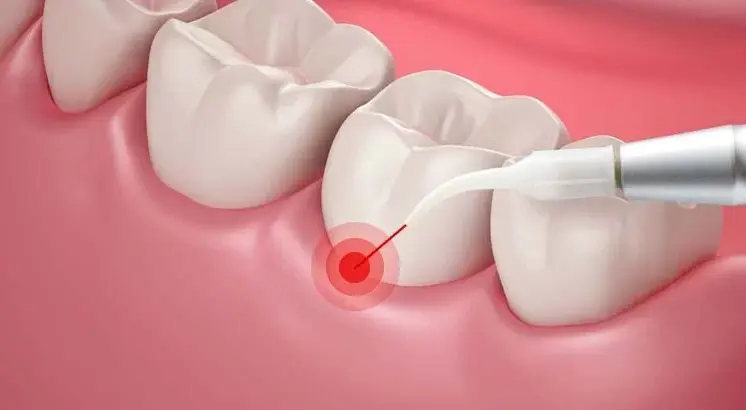
Laser-assisted techniques may be considered as an additional procedure in selected periodontal situations. However, laser treatment is not required for every patient and does not replace conventional periodontal cleaning and disease management.
The decision to use a laser-assisted approach depends on the diagnosis, clinical indication, and available evidence.
Learn More About Laser Dentistry →
Your Gum Disease Treatment Journey
Periodontal treatment is planned according to your diagnosis and response to care.
- Consultation & Diagnosis: The dental team examines your gums, assesses periodontal pockets, and determines the extent of disease.
- Initial Periodontal Treatment: Treatment may include professional cleaning, oral hygiene instruction, or scaling and root planing, depending on the condition.
- Reassessment: After an appropriate healing period, gum inflammation, bleeding, and periodontal pockets may be reviewed.
- Additional Treatment if Needed: Persistent deep pockets or other periodontal concerns may require further non-surgical care or surgery.
- Long-Term Periodontal Maintenance: Ongoing professional monitoring and appropriate oral hygiene help maintain periodontal stability.
Why Is Treating Gum Disease Important?
Treating gum disease aims to control inflammation and protect the tissues supporting your natural teeth.
- Reduce gum inflammation and bleeding
- Control plaque and bacterial deposits
- Help prevent further periodontal damage
- Support the retention of natural teeth
- Manage contributing oral health factors
- Maintain gum health through follow-up care
Gingivitis may resolve with appropriate treatment. Periodontitis is a chronic condition that requires ongoing management, particularly when supporting tissue loss has already occurred.
Why Choose DRHC for Gum Disease Treatment?
Specialist Periodontal Care
Assessment and management of gingivitis, periodontitis, and supporting tissue conditions.
Individual Treatment Planning
Care recommendations are based on the severity of gum disease, periodontal measurements, and clinical findings.
Non-Surgical & Surgical Options
Treatment options range from professional cleaning to advanced periodontal procedures, where indicated.
Focus on Long-Term Gum Health
Disease control, maintenance, and preservation of natural teeth wherever clinically possible.