Anal Abscess Treatment in Dubai
An anal abscess is a painful infection that develops near the anus or rectum due to blocked glands and bacterial infection. It often causes swelling, redness, and severe discomfort in the anal area. At DRHC Proctology Department, our specialists provide advanced diagnosis and effective treatment for anal abscess using modern surgical techniques to relieve pain and prevent complications.
The condition is commonly managed by specialists in General Surgery and proctology, ensuring comprehensive care for anorectal diseases.
What is an Anal Abscess?
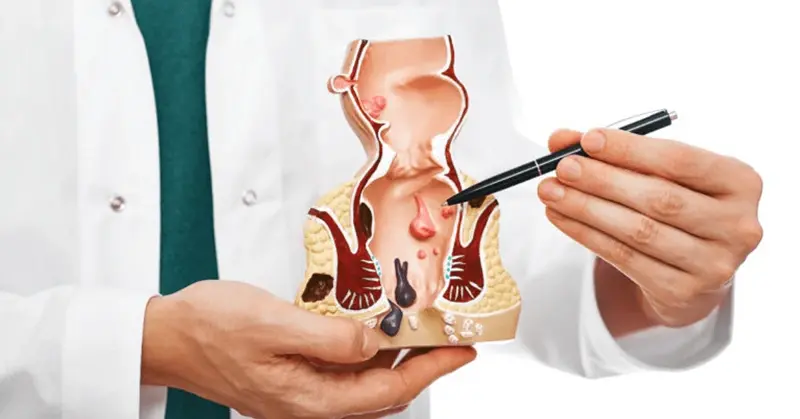
An anal abscess is a collection of pus caused by infection in the glands around the anus. These glands can become blocked, leading to bacterial growth and the formation of a painful abscess. If left untreated, an anal abscess may develop into an Anal Fistula, which is an abnormal tunnel connecting the infected gland to the skin near the anus.
Causes of Anal Abscess
Anal abscesses can develop due to several conditions, including:
- Blocked anal glands
- Bacterial infection
- Inflammatory bowel diseases
- Chronic constipation or straining
- Trauma to the anal canal
- Complications from anorectal conditions, such as Anal Fissure
Persistent constipation can increase the risk of anorectal infections. Maintaining proper diet and bowel habits, as explained in Diet Advice to Avoid Constipation, can help prevent such conditions.
Symptoms of Anal Abscess
Common symptoms include:
- Severe pain near the anus
- Swelling and redness in the anal area
- Fever and fatigue
- Pus discharge from the affected area
- Difficulty sitting or passing stool
- Rectal discomfort or Rectal Bleeding
Diagnosis of Anal Abscess
Diagnosis usually involves a clinical examination by a specialist. In some cases, further evaluation may be required to identify underlying conditions affecting bowel control or rectal function. Tests such as Anorectal Manometry may be used to assess the function of the anal sphincter and rectum.
Anal Abscess Treatment Options
Treatment of anal abscess focuses on draining the infection and preventing complications.
Surgical Drainage
The most effective treatment for anal abscess is surgical drainage. This minor procedure removes the pus and relieves pressure and pain. Early treatment significantly reduces the risk of complications such as Anal Fistula Treatment.
Medications
- Antibiotics to control infection
- Pain relief medications
- Anti-inflammatory medications
Management of Associated Conditions
Patients with other anorectal conditions, such as Hemorrhoids (Piles) or Anal Fissures may require additional treatment to prevent recurrence.
When to See a Doctor
You should seek medical attention if you experience:
- Persistent anal pain or swelling
- Fever with anal discomfort
- Pus or discharge from the anal area
- Difficulty sitting or walking
- Symptoms associated with chronic anorectal conditions, such as Chronic Anal and Rectal Conditions



.png?width=280&height=59&name=bookanappointment%20(1).png)

.webp?width=1080&height=1080&name=Doctor%20background%20For%20Website%20Dr.%20Fadi%20Nageeb%2009%20(1).webp)
.webp?width=1080&height=1080&name=Doctor%20background%20For%20Website%20Dr%20Abdul%20Majeed%20Khalid%20%2002%20(1).webp)