Polio Vaccine for Children in Dubai
Polio is a highly infectious disease that can affect the nervous system and, in severe cases, cause permanent paralysis. Although polio has been eliminated from many parts of the world, vaccination remains essential to protect children and prevent the virus from spreading.
At Dr. Rami Hamed Center (DRHC) in Dubai Healthcare City, our pediatric team provides vaccination guidance for babies, children, and families. We help parents understand the polio vaccine schedule in Dubai, missed doses, vaccine types, and common concerns about childhood immunization.
What Is Polio?
Polio, also called poliomyelitis, is caused by the poliovirus. It spreads mainly through contact with contaminated hands, food, water, or stool. Some infected children may have no symptoms, while others may develop fever, sore throat, tiredness, vomiting, muscle pain, or stiffness.
In serious cases, the virus can affect the brain and spinal cord, leading to muscle weakness or paralysis. There is no specific cure for polio, so vaccination is the most effective way to prevent the disease.
Why Is the Polio Vaccine Important for Children?
The polio vaccine helps the body develop protection against poliovirus before exposure occurs. Completing the recommended vaccination series can:
- Prevent polio infection and paralysis.
- Reduce the risk of severe neurological complications.
- Protect babies and young children during their most vulnerable years.
- Help prevent the spread of poliovirus within the community.
- Support global efforts to maintain polio eradication.
Types of Polio Vaccines
There are two main types of polio vaccines:
Inactivated Polio Vaccine (IPV)
IPV is given by injection. It contains inactivated poliovirus and cannot cause polio. It helps provide strong protection against paralytic disease and is commonly included in combination vaccines such as hexavalent or DTaP-IPV vaccines.
Oral Polio Vaccine (OPV)
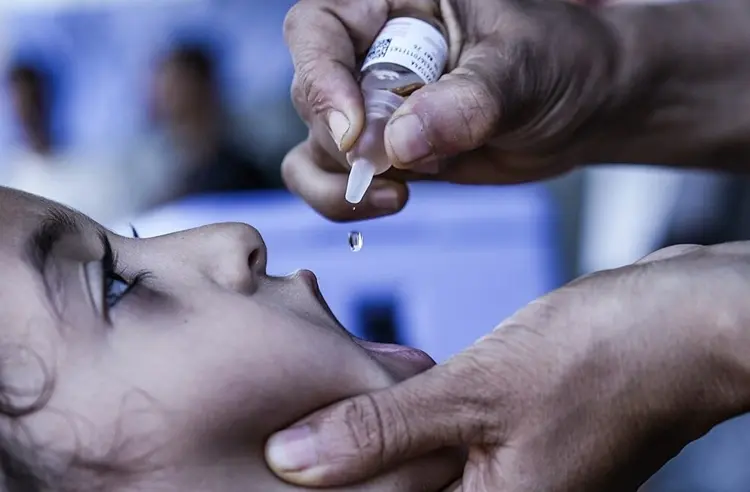
OPV is given as oral drops. It helps create intestinal immunity and can reduce the spread of poliovirus. The UAE childhood immunization programme includes oral polio vaccine doses at specific ages, according to the current national schedule.
Your child may receive IPV, OPV, or both as part of the recommended vaccination programme. The pediatrician will confirm which vaccine is appropriate at each visit.
Polio Vaccine Schedule in Dubai
The current UAE immunization schedule includes polio protection through combination vaccines and oral polio vaccine doses. The schedule may include:
Important: The exact timing and vaccine combination may depend on updated UAE recommendations, the child’s previous doses, and the vaccine product used. Always bring your child’s vaccination card so the pediatrician can confirm the correct schedule.
What If Your Child Missed a Polio Vaccine Dose?
If your child has missed a polio vaccine dose, arrange a pediatric vaccination review as soon as possible. A delayed dose does not always mean the entire series must be restarted.
The pediatrician will review:
- Your child’s age.
- The number of polio doses already received.
- Dates and types of previous vaccines.
- Any medical conditions or immune system concerns.
- Current UAE catch-up vaccination recommendations.
A suitable catch-up plan can then be prepared to help your child complete the required protection.
Is the Polio Vaccine Safe?
Polio vaccines have been used extensively and are generally well tolerated. IPV cannot cause polio because it contains an inactivated virus. OPV is also used within national immunization programmes under established medical guidance.
Common temporary reactions may include:
- Mild soreness or redness at the injection site after IPV.
- Low-grade fever.
- Temporary tiredness.
- Fussiness or irritability.
- Short-term reduced appetite.
Serious reactions are uncommon. Seek urgent medical care if your child develops difficulty breathing, swelling of the face or throat, widespread hives, or another sign of a severe allergic reaction.
When Should Polio Vaccination Be Delayed?
Your pediatrician may recommend postponing vaccination if your child is moderately or severely unwell. A mild cold or minor illness does not always require vaccination to be delayed.
Inform the pediatrician if your child:
- Had a serious allergic reaction to a previous polio vaccine.
- Has a known allergy to a vaccine ingredient.
- Has an immune system condition.
- Is taking medication that affects immunity.
- Has a significant medical condition or recent serious illness.
Polio Vaccination for Babies and Children at DRHC
At Dr. Rami Hamed Center (DRHC), our pediatric team can help you keep your child’s vaccination record up to date. During a vaccination consultation, we may:
- Review your child’s vaccination card.
- Confirm which polio vaccine doses are due.
- Explain the difference between IPV and OPV.
- Assess missed or delayed vaccinations.
- Discuss possible side effects and aftercare.
- Recommend an individualized plan when medical conditions are present.
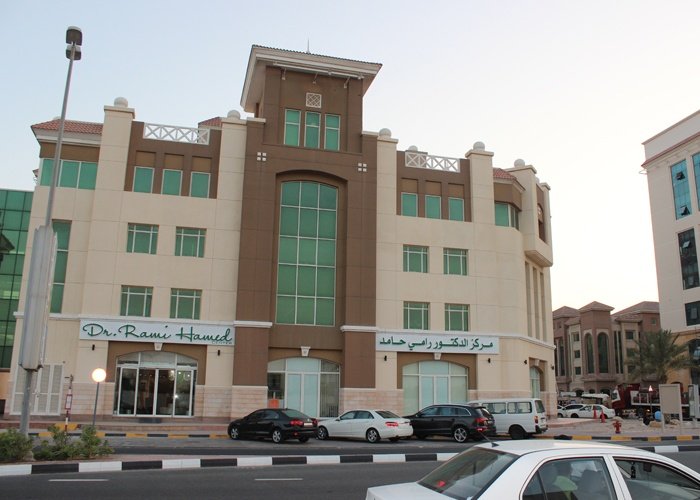
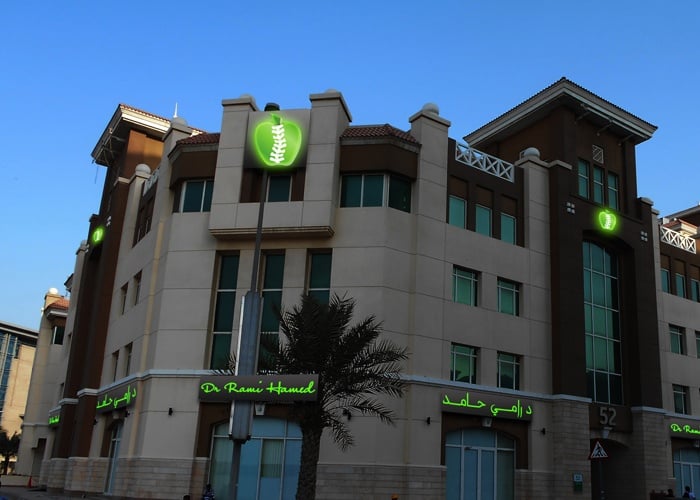
For information about the polio vaccine for children in Dubai, contact DRHC at +97142798200 or visit Building No. 52, Dubai Healthcare City, Dubai, UAE.



.png?width=281&height=59&name=bookanappointment%20(1).png)