Pneumonia (Pneumococcal) Vaccine for Children in Dubai
Pneumococcal vaccination is an important part of protecting children from serious infections caused by Streptococcus pneumoniae. These bacteria can cause pneumonia, meningitis, bloodstream infections, ear infections, and other complications, particularly in babies and young children.
At Dr. Rami Hamed Center (DRHC) in Dubai Healthcare City, our pediatric team helps parents understand the pneumococcal vaccine schedule in Dubai, catch-up vaccination, possible side effects, and the protection their child may need.
What Does the Pneumococcal Vaccine Protect Against?
The pneumococcal vaccine helps protect against diseases caused by pneumococcal bacteria. These infections can range from mild illnesses to serious, life-threatening conditions.
- Pneumonia: Infection of the lungs that may cause cough, fever, breathing difficulty, and chest discomfort.
- Meningitis: Infection of the membranes surrounding the brain and spinal cord.
- Bloodstream infection: Pneumococcal bacteria entering the blood may cause serious illness.
- Otitis media: Middle-ear infection, which is common in young children.
- Sinus infections: Pneumococcal bacteria may contribute to certain sinus infections.
Vaccination does not prevent every cause of pneumonia or every ear infection, but it reduces the risk of serious disease caused by the pneumococcal strains covered by the vaccine.
Why Is Pneumococcal Vaccination Important for Babies and Young Children?
Children under five years of age, especially infants, are more vulnerable to serious pneumococcal infections. Their immune systems are still developing, and infection can sometimes progress quickly.
Keeping your child’s vaccination schedule up to date can help:
- Reduce the risk of invasive pneumococcal disease.
- Lower the chance of pneumococcal meningitis and bloodstream infection.
- Reduce the risk of certain pneumococcal pneumonia cases.
- Help protect children with increased medical vulnerability.
- Support community protection by reducing the spread of vaccine-covered strains.
Types of Pneumococcal Vaccines for Children
Children generally receive a pneumococcal conjugate vaccine (PCV). Conjugate vaccines are designed to help the immune system develop protection against selected pneumococcal strains.
Depending on the child’s age, vaccination history, health condition, and current UAE recommendations, the pediatrician may consider an appropriate PCV formulation, such as PCV10, PCV13, PCV15, or another approved product.
The vaccine type and availability may differ between healthcare facilities. Your pediatrician will recommend the appropriate vaccine based on the current Dubai and UAE immunization guidance.
Pneumococcal Vaccine Schedule in Dubai
The UAE childhood immunization schedule includes pneumococcal conjugate vaccination during infancy. The routine schedule has included doses at approximately:
Note: The exact schedule may change according to updated UAE recommendations, the vaccine product used, and the child’s medical circumstances. Some children may require additional doses or a different schedule, particularly if they have certain health conditions or began vaccination late.
Who May Need Additional Pneumococcal Protection?
Some children have a higher risk of serious pneumococcal disease. The pediatrician may recommend an individualized vaccination plan for children with conditions such as:
- Immune system problems.
- Chronic heart or lung disease.
- Chronic kidney disease.
- Absence of the spleen or reduced spleen function.
- Cochlear implants.
- Cerebrospinal fluid leaks.
- Other medical conditions are associated with increased infection risk.
Children with higher-risk conditions may require additional pneumococcal vaccines or a different timing of doses. Do not follow a standard schedule without discussing your child’s medical history with a pediatrician.
What If Your Child Missed a Pneumococcal Vaccine Dose?
If your child missed one or more pneumococcal vaccine doses, arrange a vaccination review rather than restarting the series yourself.
- Your child’s current age.
- How many doses have already been given?
- The date of the last dose.
- The vaccine brand or formulation, if known.
- Any underlying medical conditions.
Children who start vaccination late may still benefit from catch-up vaccination. The number of doses and the interval between them depend on age and previous vaccination history.
How Is the Pneumococcal Vaccine Administered?
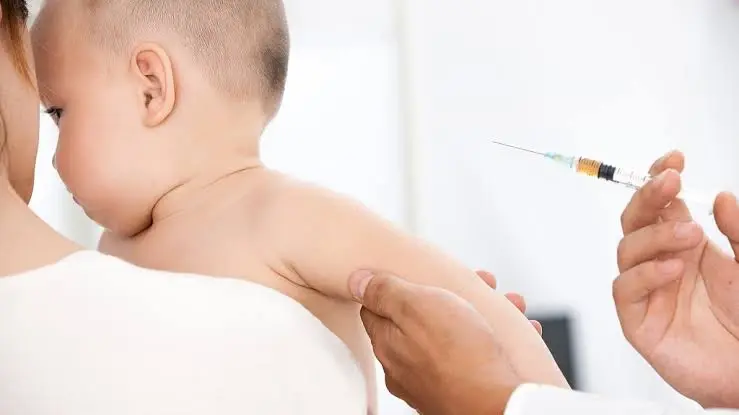
The pneumococcal conjugate vaccine is usually given by injection into a muscle. Babies commonly receive injections in the thigh, while older children may receive the vaccine in the upper arm.
The pneumococcal vaccine can often be given during the same appointment as other routine childhood vaccines. Your pediatrician will decide which vaccines are due and how they should be administered.
Common Side Effects After Pneumococcal Vaccination
Most children tolerate the pneumococcal vaccine well. Mild side effects may include:
- Pain, redness, or swelling where the injection was given.
- Mild fever.
- Irritability or fussiness.
- Sleepiness or temporary tiredness.
- Reduced appetite.
These reactions usually improve within a short period. Follow your pediatrician’s advice regarding comfort measures and fever management.
Seek urgent medical care if your child develops difficulty breathing, swelling of the face or throat, widespread hives, unusual weakness, or another sign of a serious allergic reaction.
When Should Pneumococcal Vaccination Be Postponed?
A child who has a moderate or severe illness may need to wait until they recover before receiving the vaccine. A mild cold does not always mean vaccination must be delayed.
Tell the pediatrician if your child:
- Had a serious allergic reaction to a previous pneumococcal vaccine.
- Has a known allergy to a vaccine ingredient.
- Has an immune system condition.
- Is receiving medication that affects immunity.
- Has a serious underlying medical condition.
- Has recently received another vaccine or medical treatment.
Pneumococcal Vaccine for Children at DRHC Dubai
At Dr. Rami Hamed Center (DRHC), our pediatric team supports parents with routine and catch-up vaccination guidance. During your child’s appointment, the pediatrician can:
- Review the vaccination card.
- Check whether pneumococcal doses are up to date.
- Explain the recommended vaccination schedule.
- Assess whether additional protection may be required.
- Discuss possible side effects and aftercare.
- Help plan catch-up vaccination after missed doses.
To ask about pneumococcal vaccination for children in Dubai, contact DRHC at +971 4 279 8200 or visit Building No. 52, Dubai Healthcare City, Dubai, UAE.



.png?width=281&height=59&name=bookanappointment%20(1).png)