Peri-Implantitis Treatment in Dubai
Specialist Care for Inflammation and Bone Loss Around Dental Implants at DRHC
Bleeding, swollen gums, or discomfort around a dental implant may indicate inflammation in the surrounding tissues. In some cases, this can develop into peri-implantitis, a condition associated with progressive loss of bone supporting the implant.
At Dr. Rami Hamed Center (DRHC), our Periodontics and Dental Implantology services provide specialist assessment and treatment planning for peri-implant diseases in Dubai.
Our approach focuses on identifying the cause of inflammation, managing the condition, and preserving dental implants where clinically possible.
What Is Peri-Implantitis?
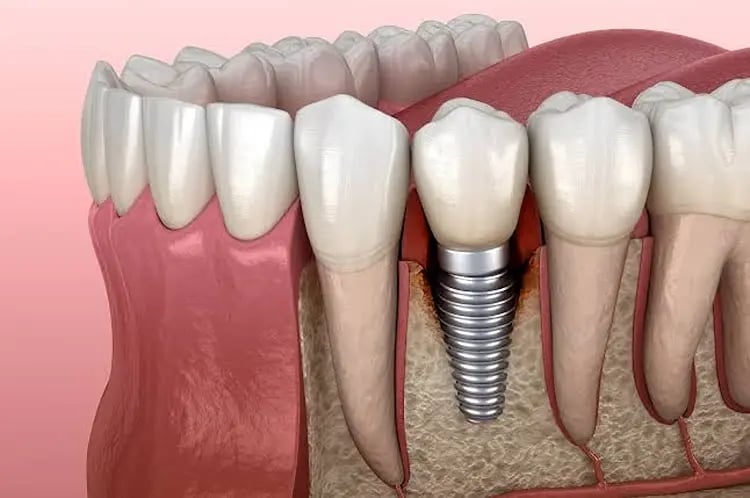
Peri-implantitis is an inflammatory disease affecting the tissues surrounding a dental implant. It involves inflammation together with progressive loss of supporting bone.
Although dental implants cannot develop tooth decay in the same way as natural teeth, the gums and bone surrounding an implant can become inflamed or diseased.
Bacterial plaque accumulating around implant surfaces is an important contributing factor. If the condition progresses, it may compromise the tissues supporting the implant and eventually affect implant stability.
Important: Not all inflammation around a dental implant means that the implant is failing. Early assessment can help distinguish treatable soft tissue inflammation from peri-implantitis involving bone loss.
Peri-Implant Mucositis vs. Peri-Implantitis: What Is the Difference?
The two main inflammatory peri-implant conditions are peri-implant mucositis and peri-implantitis.
Peri-Implant Mucositis
Peri-implant mucositis involves inflammation of the soft tissues around a dental implant, without progressive supporting bone loss.
Common signs include bleeding, redness, and swollen gum tissue around the implant.
The condition is often reversible when appropriate treatment and plaque control are provided.
Peri-Implantitis
Peri-implantitis involves inflammation together with progressive loss of the bone supporting a dental implant.
It may be associated with deep peri-implant pockets, bleeding, discharge, and bone changes identified during examination.
Treatment can be more complex and may require surgical intervention in selected cases.
A clinical examination and appropriate dental imaging help determine which condition is present.
Signs and Symptoms of Peri-Implantitis
Peri-implant disease may develop gradually, and some patients have few noticeable symptoms. Signs that require assessment include:
- Bleeding gums around a dental implant
- Red or swollen tissue surrounding the implant
- Persistent tenderness or discomfort
- Pus or discharge near the implant
- Persistent unpleasant taste or bad breath
- Deepening pockets around the implant
- Supporting bone loss identified on dental X-rays
- Loosening of the implant or its restoration
Persistent bleeding or swelling around a dental implant should not be ignored. These symptoms do not confirm peri-implantitis by themselves, but they indicate a need for professional evaluation.
Sudden implant movement, substantial swelling, fever, or spreading facial swelling requires prompt dental assessment.
What Causes Peri-Implantitis?
Peri-implantitis is associated with bacterial plaque and inflammation around implant surfaces. Several factors may increase the risk of developing the condition.
Plaque Accumulation
Difficulty cleaning around dental implants can allow bacterial deposits to accumulate, contributing to inflammation and peri-implant disease.
History of Gum Disease
Patients with previous periodontitis may have an increased risk of peri-implant complications, especially when periodontal disease remains uncontrolled.
Smoking and Medical Factors
Smoking and certain medical conditions, including poorly controlled diabetes, may adversely affect the health of tissues surrounding dental implants.
Implant Restoration Factors
Poor cleaning access, certain restoration designs, or retained cement can contribute to inflammation and make implant maintenance more difficult.
Identifying and addressing modifiable contributing factors is an important part of treatment and long-term disease management.
How Is Peri-Implantitis Diagnosed?
Diagnosis requires a professional clinical assessment of the implant and surrounding tissues. Depending on the findings, evaluation may include:
- Clinical Examination: The dental team examines the gums surrounding the implant for inflammation, redness, swelling, bleeding, and discharge.
- Peri-Implant Measurements: Appropriate probing measurements are taken to assess tissue conditions and identify changes around the implant.
- Dental Imaging: Dental X-rays may be used to assess supporting bone levels and compare changes with earlier imaging when available.
- Implant and Restoration Assessment: The clinician evaluates the implant and its crown or bridge, including stability, condition, and access for cleaning.
- Diagnosis and Treatment Planning. The findings are reviewed to determine whether the condition is peri-implant mucositis, peri-implantitis, or another implant-related problem.
Peri-Implantitis Treatment Options
Peri-implantitis treatment is selected according to disease severity, supporting bone loss, implant condition, and individual risk factors.
Management commonly begins with non-surgical care, followed by reassessment. Further treatment may be considered if inflammation and other disease signs persist.
Non-Surgical Peri-Implant Treatment
Initial treatment aims to reduce bacterial deposits and inflammation around the affected implant.
Care may include professional cleaning of implant surfaces, improvement of oral hygiene, and management of contributing factors.
The implant restoration may also need assessment or modification if it prevents effective cleaning.
Surgical Peri-Implantitis Treatment
When disease signs persist after initial treatment, surgical management may be considered.
Surgery can provide access to affected implant surfaces for cleaning and treatment of surrounding tissues.
The technique depends on the clinical findings and extent of supporting bone damage.
Selected Reconstructive Procedures
Certain peri-implant bone defects may be considered for reconstructive surgical techniques.
Depending on the situation, grafting materials or other approaches may be considered, but they are not appropriate for every implant or defect.
Bone regeneration and implant preservation cannot be guaranteed.
Implant Removal
In severe cases, implant removal may be recommended when preservation is unlikely to provide an acceptable long-term outcome.
After the affected area has been assessed, future tooth replacement options can be discussed where appropriate.
Does peri-implantitis always require implant removal? No. Some affected implants can be maintained following appropriate treatment. The decision depends on supporting bone loss, implant stability, treatment response, and overall prognosis.
Can a Dental Implant with Peri-Implantitis Be Saved?
Yes, some dental implants affected by peri-implantitis can be maintained following treatment. However, successful implant preservation depends on the severity of the disease and the condition of the surrounding tissues.
Factors influencing the prognosis include:
- Extent and pattern of supporting bone loss
- Implant stability and position
- Severity of surrounding tissue inflammation
- Implant surface and restoration characteristics
- Smoking, medical factors, and oral hygiene
- Response to previous peri-implant treatment
An implant may be unsuitable for preservation if there is severe loss of support or other complications affecting its prognosis.
The objective is to preserve the implant when clinically appropriate, rather than to promise preservation in every situation.
What to Expect During Peri-Implantitis Treatment
The exact treatment pathway depends on the diagnosis and clinical findings.
- Specialist Implant Assessment: The clinician evaluates inflammation, peri-implant tissues, bone levels, and the condition of the implant restoration.
- Initial Disease Management: Non-surgical measures may be provided to reduce bacterial deposits, improve cleaning access, and manage contributing factors.
- Reassessment: The response to treatment is reviewed, including inflammation, bleeding, and peri-implant pocket measurements.
- Further Treatment if Needed: Surgical intervention or other management may be considered if disease signs remain or the implant prognosis is poor.
- Long-Term Maintenance: Ongoing professional assessment and appropriate home care help reduce the risk of recurring peri-implant disease.
Recovery After Peri-Implantitis Treatment
Recovery depends on whether treatment is non-surgical or surgical, the number of implants affected, and the condition of the surrounding tissues.
Following treatment, temporary symptoms may include:
- Gum tenderness
- Mild swelling
- Temporary discomfort
- Minor bleeding
- Sensitivity around treated tissues
- Changes in gum appearance during healing
Patients who undergo surgery may need additional recovery time and specific post-operative care.
Post-Treatment Care
Depending on the treatment, recommendations may include:
- Following individualized cleaning and oral hygiene instructions
- Taking prescribed medication only as directed
- Avoiding smoking and other factors that impair healing
- Protecting surgical areas during the initial healing period
- Attending scheduled follow-up appointments
Contact the dental team promptly if pain or swelling worsens, discharge persists, or new implant mobility develops.
Risks and Limitations of Peri-Implantitis Treatment
Peri-implantitis can be challenging to manage, particularly when significant supporting bone loss has occurred.
Despite appropriate treatment, inflammation may persist or recur, and some affected implants may eventually require removal.
Surgical procedures also carry risks such as bleeding, swelling, infection, soft tissue recession, and incomplete improvement.
Treatment outcomes depend on the extent of disease, implant characteristics, patient risk factors, and adherence to long-term maintenance.
A specialist consultation helps establish realistic treatment goals, discuss alternatives, and assess the long-term prognosis.
How to Prevent Inflammation Around Dental Implants
Daily plaque control and regular professional maintenance are important for protecting dental implants and surrounding tissues.
Recommended preventive measures may include:
- Brushing around implants using an appropriate toothbrush
- Cleaning between implants and neighboring teeth with suitable aids
- Attending professional implant and periodontal maintenance visits
- Seeking assessment for bleeding, swelling, or changes around implants
- Managing smoking and relevant medical risk factors
- Treating existing periodontal disease and maintaining natural tooth health
Patients with a history of periodontitis or previous peri-implant disease may require closer monitoring.
Maintenance intervals should be tailored to the individual's risk profile and clinical condition.