Spinal Stenosis Treatment in Dubai | Spine Hospital DRHC
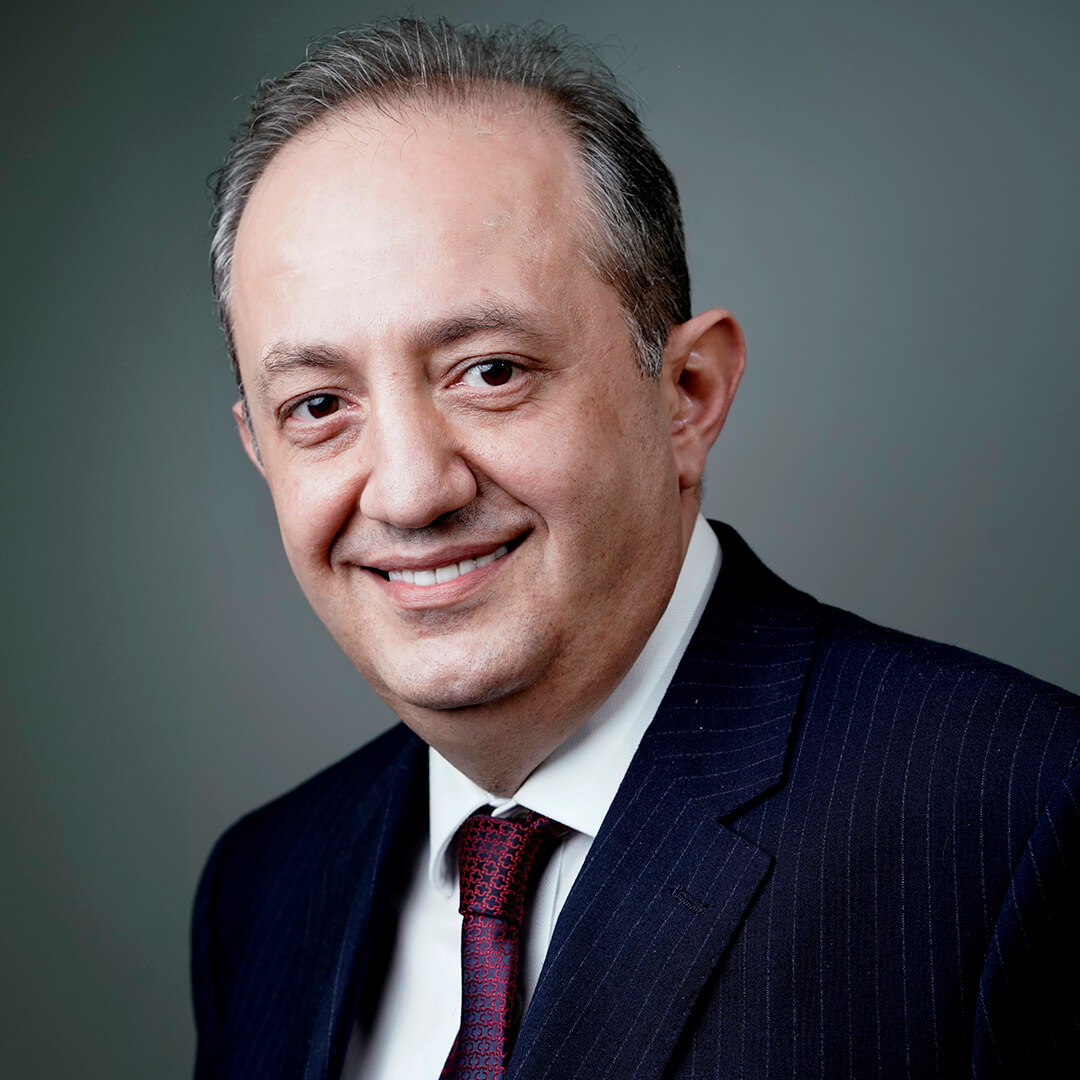
Spinal stenosis is a condition where the spinal canal becomes narrow, reducing the space available for the spinal cord and nerves. This narrowing can place pressure on the nerves and cause back pain, leg pain, numbness, weakness, and difficulty walking. At DRHC Spine Hospital Dubai, Dr. Rami Hamed, Consultant Orthopedic & Spinal Surgeon, provides advanced diagnosis and treatment for spinal stenosis.
Spinal stenosis is most commonly caused by age-related degeneration of the spine. It may also occur due to congenital narrowing of the spinal canal, thickened ligaments, bone spurs, disc degeneration, cysts, or spinal tumors. Symptoms usually develop gradually and may worsen over time.
Many patients feel pain, heaviness, numbness, or weakness in the legs while walking. These symptoms often improve when sitting down or leaning forward. This is known as neurogenic claudication. In advanced cases, prolonged nerve compression may lead to permanent neurological problems.
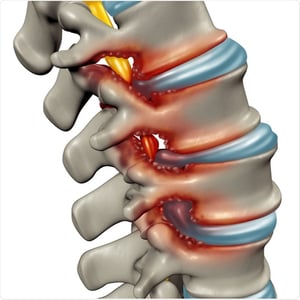
Common Symptoms of Spinal Stenosis
- Lower back pain
- Leg pain while walking
- Numbness or tingling in the legs
- Weakness in the lower limbs
- Reduced walking distance
- Difficulty standing for long periods
- Relief when sitting or bending forward
Diagnosis of Spinal Stenosis
Diagnosis starts with a detailed clinical assessment and neurological examination. An MRI scan is usually the most important investigation to confirm narrowing of the spinal canal and identify the affected levels.
Conservative Treatment for Spinal Stenosis
Non-surgical treatment may be suitable when symptoms are mild or moderate and daily activities are not severely affected. Conservative treatment may include:
- Physiotherapy
- Activity modification and patient education
- Anti-inflammatory and pain-relieving medications
- Muscle relaxants
- Epidural spine injections
- Exercise programs to improve mobility and strength
Surgical Treatment of Spinal Stenosis
Surgery may be recommended when spinal stenosis causes severe walking limitation, progressive weakness, neurological symptoms, or when conservative treatment does not provide enough relief.
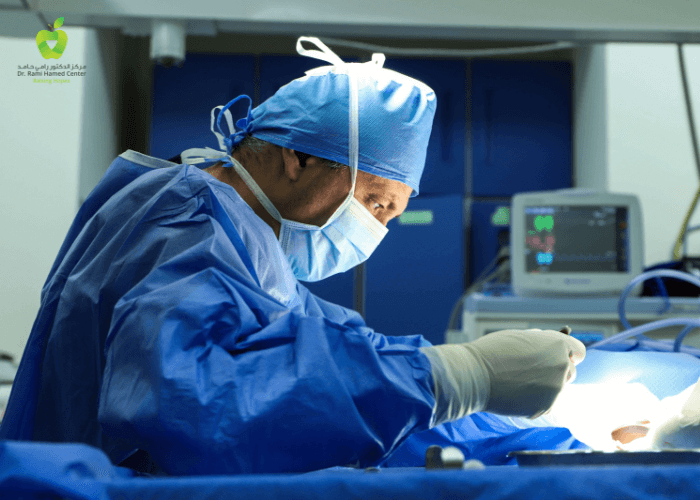
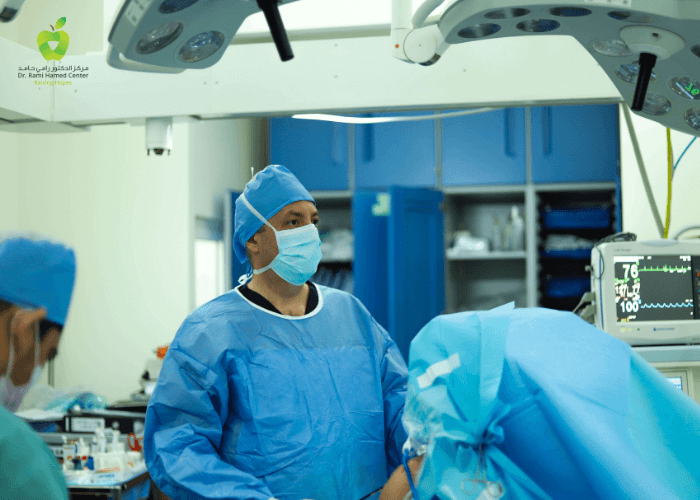
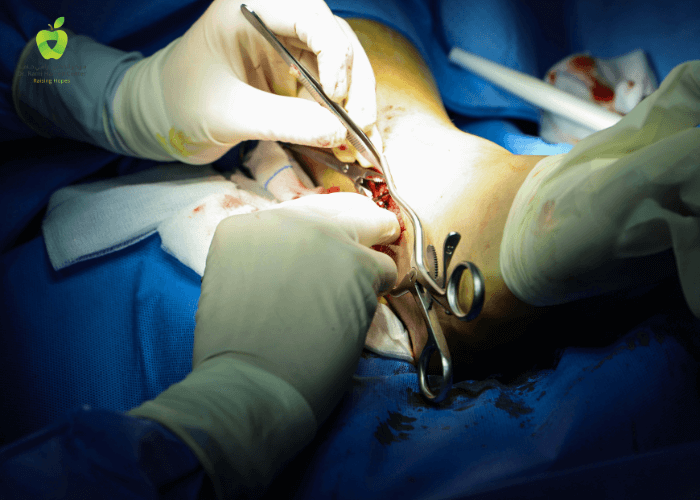
The goal of surgery is to relieve pressure on the nerves by creating more space in the spinal canal. Depending on the case, treatment may include spinal decompression surgery, minimally invasive spine surgery, or advanced endoscopic spine surgery.
Endoscopic Treatment for Spinal Stenosis
Dr. Rami Hamed has extensive experience in full endoscopic spine surgery. In selected patients, endoscopic decompression can treat spinal stenosis through a very small incision while reducing damage to muscles and surrounding tissues.
Potential benefits may include:
- Smaller incision
- Less tissue trauma
- Reduced postoperative pain
- Faster recovery
- Earlier mobility
- Shorter hospital stay
Interspinous Device Treatment
Interspinous devices may be considered in selected elderly patients or patients with medical conditions who are not suitable for more extensive surgery. These devices create additional space in the spinal canal and may help reduce nerve compression.
However, interspinous devices may have limited effectiveness in severe spinal stenosis. With modern endoscopic decompression techniques, many patients may benefit from more effective minimally invasive treatment options.
Why Choose DRHC for Spinal Stenosis Treatment?
- Consultant-led spine care by Dr. Rami Hamed
- More than 30 years of spinal surgery experience
- Over 10,000 spine procedures performed
- Advanced endoscopic spine surgery techniques
- Comprehensive diagnosis and treatment
- Personalized treatment plans
Related Spine Conditions and Treatments



.png?width=281&height=59&name=bookanappointment%20(1).png)