Corneal Transplant Surgery in Dubai
Restore vision with advanced corneal transplant surgery in Dubai performed by experienced ophthalmologists at DRHC. Corneal transplantation can help patients with keratoconus, corneal scarring, corneal dystrophies, and other corneal diseases
Regain clearer vision and improve their quality of life.
What is a Corneal Transplant?
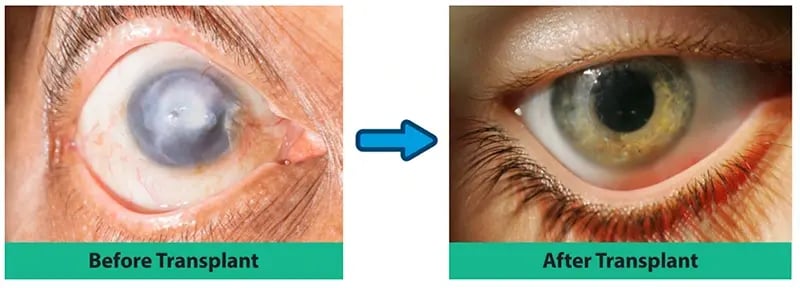
Corneal transplantation, also known as corneal grafting or keratoplasty, is a surgical procedure where a damaged or diseased cornea is replaced with a healthy donor cornea. The cornea is the clear, dome-shaped surface of the eye that helps focus light, enabling clear vision. When the cornea becomes clouded or scarred, vision can be significantly impaired. Corneal transplantation restores vision by replacing the affected cornea with healthy tissue.
Symptoms of Corneal Disease
Patients who may require corneal transplant surgery often experience:
- Blurred or distorted vision
- Cloudy or scarred cornea
- Light sensitivity
- Eye pain or discomfort
- Frequent changes in glasses prescription
- Reduced visual quality despite corrective lenses
Who May Need Corneal Transplant Surgery?
Corneal transplantation is indicated for various conditions that cause significant visual impairment or pain. Some of the common indications include:
- Keratoconus: A progressive eye disorder where the cornea thins and bulges into a cone shape, leading to distorted vision.
- Corneal Scarring: Resulting from infections, injuries, or previous surgeries that have left the cornea opaque or scarred.
- Fuchs' Endothelial Dystrophy: A genetic condition that affects the innermost layer of the cornea, causing swelling and vision loss.
- Corneal Infections: Severe infections, such as bacterial, viral, or fungal keratitis, that have led to permanent corneal damage.
- Bullous Keratopathy: A condition where the cornea swells and forms painful blisters, often due to endothelial cell failure.
- Corneal Ulcers: Non-healing ulcers that have caused significant corneal damage.
- Hereditary Corneal Disorders: Conditions that lead to progressive deterioration of the cornea.
Corneal Transplant Surgery in Dubai
At DRHC Dubai, we offer advanced corneal transplant surgery using modern keratoplasty techniques tailored to each patient's condition. Whether you require a full-thickness corneal transplant or a partial-thickness procedure such as DALK, DSEK, or DMEK, our ophthalmology team will recommend the most suitable treatment approach based on your corneal health and visual needs.
Types of Corneal Transplant Procedures
Penetrating keratoplasty is a full-thickness corneal transplant where the entire damaged cornea is removed and replaced with a healthy donor cornea. This procedure is typically performed when the corneal damage extends through all layers of the cornea.
Descemet's Stripping Endothelial Keratoplasty (DSEK)
DSEK is a partial-thickness corneal transplant that replaces only the damaged endothelial layer (the innermost layer) of the cornea. This procedure is less invasive than penetrating keratoplasty and is often used for conditions like Fuchs' endothelial dystrophy.
Descemet's Membrane Endothelial Keratoplasty (DMEK)
DMEK is a more advanced and precise version of DSEK, involving the transplantation of only the Descemet’s membrane and endothelium. This procedure offers faster recovery and better visual outcomes due to its minimally invasive nature.
Deep Anterior Lamellar Keratoplasty (DALK)
DALK is a partial-thickness transplant that replaces the front layers of the cornea while preserving the healthy endothelial layer. This procedure is suitable for conditions that affect the outer and middle layers of the cornea, such as keratoconus.
The Corneal Transplant Procedure
The corneal transplantation procedure involves several important steps:
Pre-Operative Evaluation
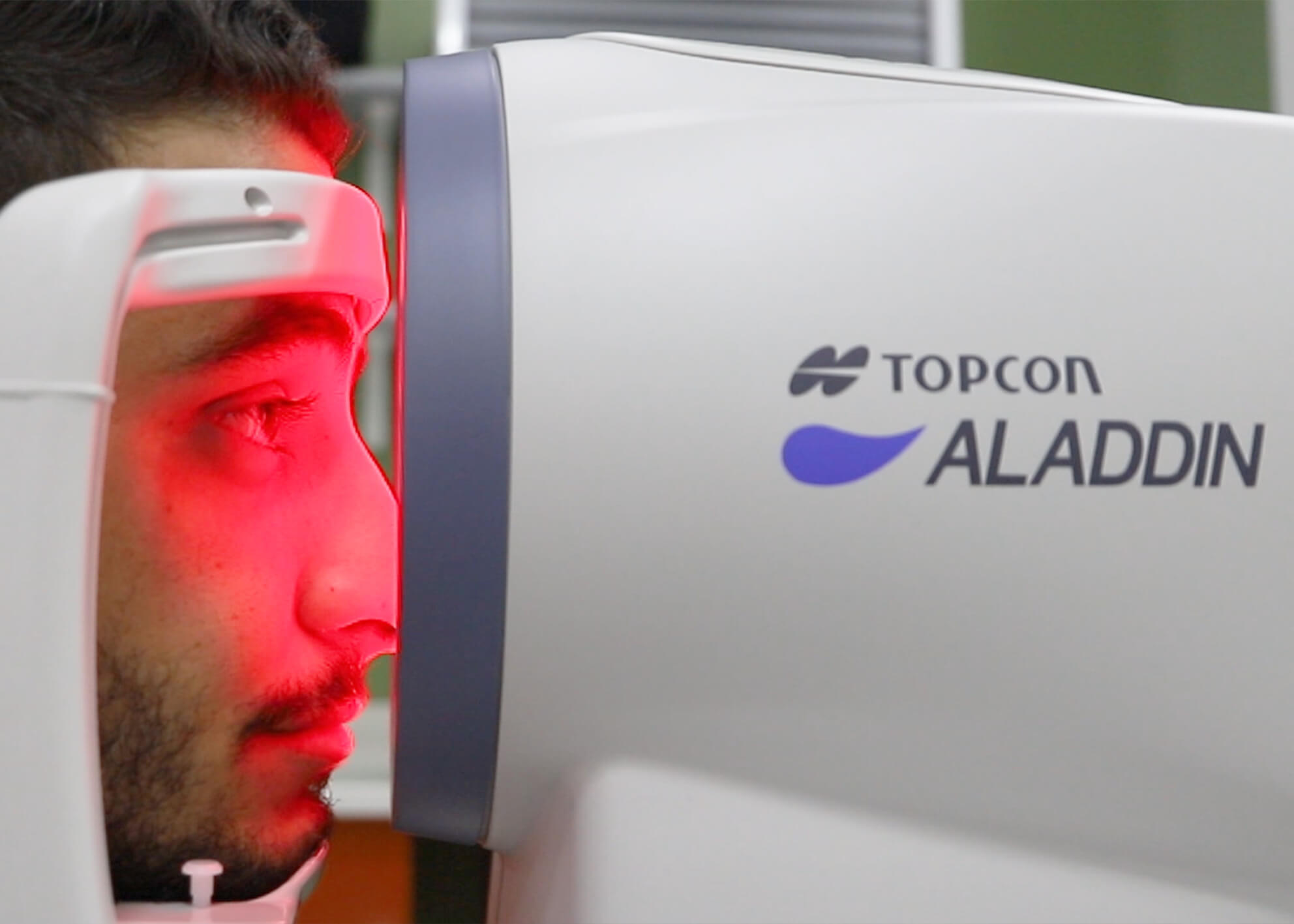
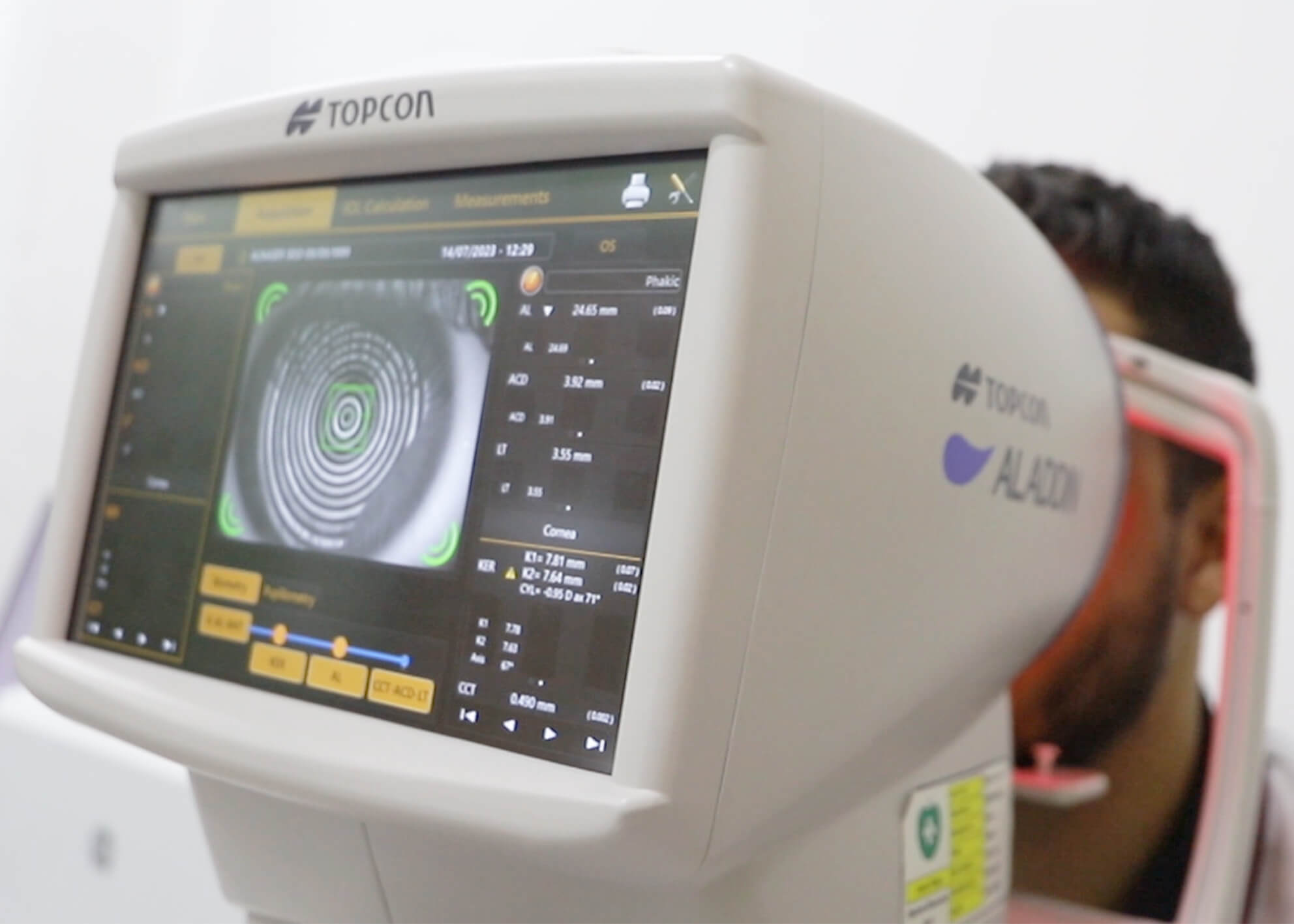
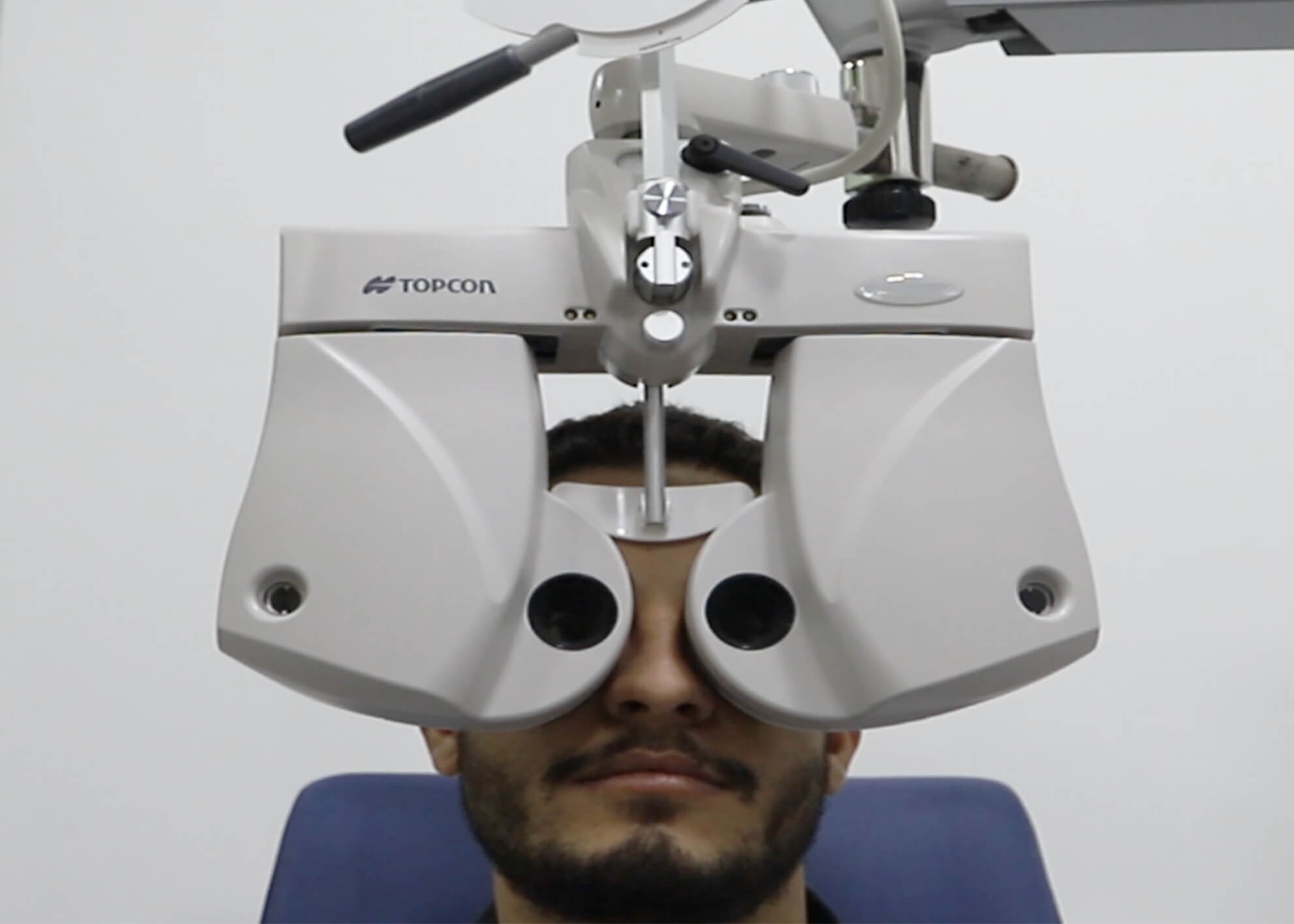
- Comprehensive Eye Exam: A thorough examination of the eye to assess the extent of corneal damage and determine the most appropriate type of transplant.
- Medical History: Review of the patient’s medical history and any underlying conditions that may affect the surgery or recovery.
- Donor Cornea Selection: Matching the donor cornea to the patient to ensure compatibility and reduce the risk of rejection.
Surgical Procedure
- Anesthesia: Local or general anesthesia is administered to ensure patient comfort.
- Removal of Damaged Cornea: The surgeon carefully removes the damaged portion of the cornea.
- Placement of Donor Cornea: The healthy donor cornea is precisely positioned and sutured into place.
- Closure: A protective shield is placed over the eye to aid healing.
Post-Operative Care
- Medications: Prescribed eye drops to prevent infection and promote healing.
- Follow-Up Visits: Regular check-ups to monitor healing and graft integration.
- Activity Restrictions: Temporary precautions to avoid injury to the eye.
- Monitoring for Rejection: Redness, pain, or vision changes should be reported immediately.
Why Patients Choose DRHC for Corneal Transplant Surgery in Dubai
- Experienced ophthalmology specialists
- Advanced corneal transplantation techniques
- Comprehensive pre-operative assessment
- Personalized treatment plans
- Modern facilities in Dubai Healthcare City
- Dedicated post-operative care and follow-up



.png?width=281&height=59&name=bookanappointment%20(1).png)