GERD Treatment in Dubai
Gastroesophageal reflux disease (GERD) is a chronic digestive condition in which stomach contents repeatedly flow backwards into the oesophagus. This reflux can irritate the oesophageal lining and cause ongoing symptoms such as heartburn, regurgitation, sour taste and discomfort after eating.
At the DRHC Gastroenterology Clinic in Dubai, our gastroenterologists evaluate persistent reflux symptoms and provide personalised medical, diagnostic and endoscopic treatment options.
Same-day gastroenterology appointments are available, subject to availability.
What Is GERD?
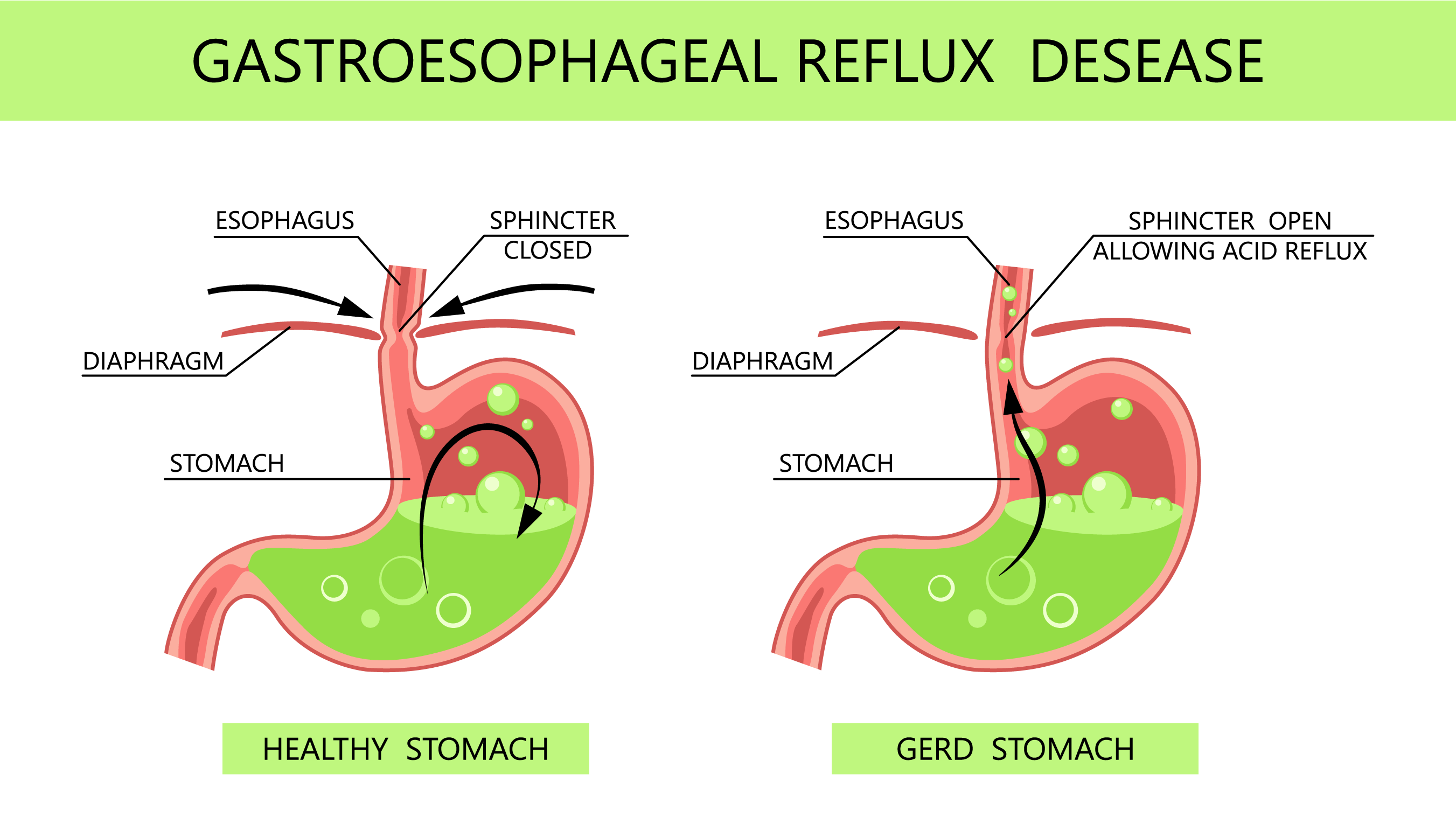
The lower oesophageal sphincter is a ring of muscle located between the oesophagus and stomach. It normally opens when food enters the stomach and then closes to prevent stomach contents from travelling backwards.
GERD can develop when this muscular junction becomes weak, relaxes at the wrong time or is affected by increased pressure inside the abdomen. This allows acidic stomach contents to repeatedly enter the oesophagus.
Occasional acid reflux is common. It may be considered GERD when symptoms occur regularly, disturb sleep, affect daily activities or require frequent medication.
GERD is not always caused by excessive production of stomach acid. In many patients, the main problem is poor control of the junction between the oesophagus and stomach.
Common Symptoms of GERD
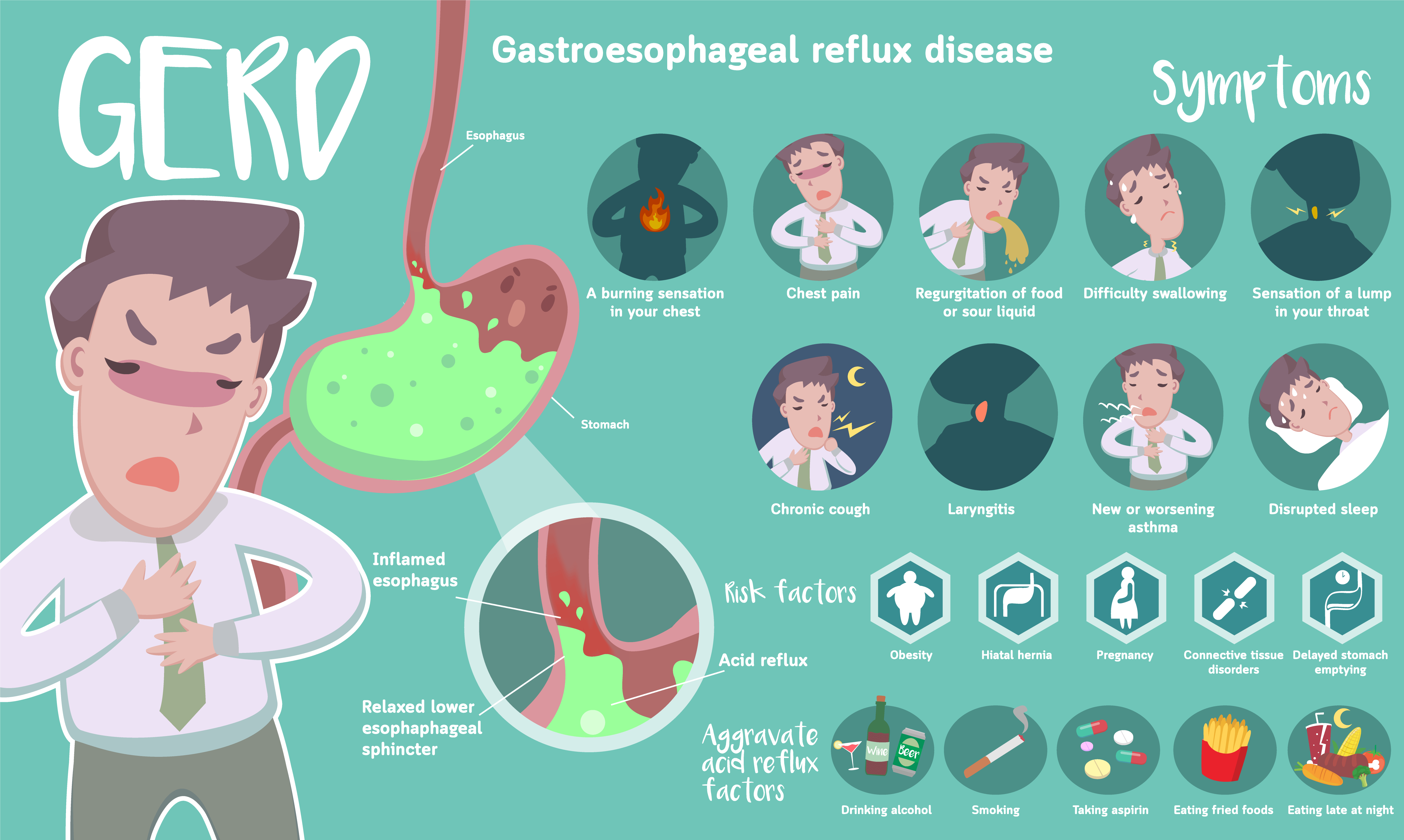
- Frequent heartburn or burning behind the breastbone.
- Sour or bitter taste in the mouth.
- Regurgitation of food or liquid.
- Upper abdominal or chest discomfort after meals.
- Symptoms that become worse when bending forward or lying down.
- Night-time reflux that interrupts sleep.
- Persistent burping or belching.
- Nausea after eating.
- Chronic cough or frequent throat clearing.
- Hoarseness or recurring voice changes.
- Difficulty or pain when swallowing.
- A sensation that food is becoming stuck.
Some patients experience symptoms without typical heartburn. These may include persistent cough, throat irritation, hoarseness, disturbed sleep or non-cardiac chest discomfort.
Difficulty swallowing or the sensation that food is becoming stuck may also be associated with an oesophageal motility disorder and should be properly investigated.
When Should You See a Gastroenterologist?
You should consider a gastroenterology consultation when:
- Heartburn or regurgitation happens regularly.
- Symptoms continue despite medication.
- You frequently depend on over-the-counter remedies.
- Reflux wakes you during the night.
- Symptoms return soon after stopping treatment.
- You experience difficulty or pain when swallowing.
- Food feels as though it is getting stuck.
- You have unexplained weight loss.
- You experience persistent vomiting.
- You notice vomiting of blood or black stools.
- Your symptoms have recently changed or become more severe.
Severe or sudden chest pain should be assessed urgently, particularly when accompanied by sweating, breathlessness, dizziness or pain spreading to the arm, back, neck or jaw.
What Causes GERD?
GERD often develops because the anti-reflux barrier between the oesophagus and stomach is not functioning effectively. Several factors may contribute to this problem.
- Weakness or inappropriate relaxation of the lower oesophageal sphincter.
- Hiatal hernia affecting the position or function of the stomach junction.
- Increased pressure inside the abdomen.
- Obesity or excess abdominal weight.
- Pregnancy.
- Eating very large meals.
- Lying down soon after eating.
- Delayed stomach emptying.
- Smoking.
- Alcohol consumption.
- Certain medications that affect the oesophageal sphincter.
- Connective tissue disorders.
Stress may make reflux symptoms feel worse, but it is not usually considered the only underlying cause of GERD.
Possible Complications of Untreated GERD
Frequent exposure to stomach contents can damage the lining of the oesophagus. Possible complications include:
- Oesophagitis or inflammation of the oesophagus.
- Oesophageal ulcers.
- Bleeding from the oesophageal lining.
- Narrowing of the oesophagus due to scarring.
- Progressive difficulty swallowing.
- Barrett’s oesophagus.
- Recurring throat, voice or respiratory symptoms.
Not every patient with GERD develops complications. However, persistent, worsening or difficult-to-control symptoms should not be managed indefinitely without medical evaluation.
How Is GERD Diagnosed?
Your gastroenterologist will review your symptoms, medical history, current medications, lifestyle factors and response to previous treatment. Further investigations may be recommended when symptoms are persistent, unusual or not responding to medication.
A gastroscopy allows the doctor to examine the oesophagus, stomach and upper part of the small intestine. It may help identify:
- Oesophageal inflammation.
- Hiatal hernia.
- Oesophageal narrowing.
- Barrett’s oesophagus.
- Ulcers or other abnormalities in the upper digestive tract.
A normal gastroscopy does not always exclude GERD. Some patients experience significant reflux symptoms without visible damage to the oesophageal lining.
Wireless pH monitoring measures acid exposure inside the oesophagus over an extended period. It can help confirm whether symptoms are associated with reflux episodes.
This test may be considered when:
- Gastroscopy findings are normal.
- The diagnosis remains uncertain.
- Symptoms continue despite medication.
- An endoscopic or surgical treatment is being considered.
Oesophageal manometry measures the strength and coordination of the muscles involved in swallowing. It also evaluates the function of the lower oesophageal sphincter.
It may be recommended when GERD symptoms occur with swallowing difficulty, food sticking or unexplained chest discomfort. Manometry may also be required before certain anti-reflux procedures.
GERD Treatment at DRHC Dubai
GERD treatment depends on the frequency and severity of symptoms, investigation results, the presence of complications and the patient’s response to previous treatment.
Treatment may include lifestyle modifications, medication, endoscopic treatment or surgery for selected patients.
Lifestyle and Dietary Changes
Your gastroenterologist may recommend:
- Eating smaller meals.
- Avoiding food close to bedtime.
- Remaining upright after meals.
- Identifying foods or drinks that consistently trigger symptoms.
- Reducing excess weight when medically appropriate.
- Stopping smoking.
- Reducing alcohol consumption.
- Raising the upper body during sleep when night-time reflux is present.
- Avoiding clothing that places excessive pressure on the abdomen.
Food triggers vary between patients. Unnecessary restriction of many different foods is not always required. Treatment should focus on the foods and habits that clearly worsen an individual patient’s symptoms.
Medication for GERD
Medication may be prescribed to reduce acid exposure, relieve symptoms and allow inflammation in the oesophagus to heal.
Treatment options may include:
- Antacids for occasional symptom relief.
- H2-receptor blockers.
- Proton pump inhibitors.
- Other medication when delayed stomach emptying or another digestive condition is contributing to symptoms.
The medication, dose and duration should be selected according to the patient’s diagnosis. Patients who continue to experience symptoms despite appropriate treatment may require further investigation rather than repeatedly increasing medication without confirming the cause.
For selected patients with confirmed GERD, Stretta may be considered as a minimally invasive endoscopic treatment option.
During the procedure, controlled radiofrequency energy is applied around the junction between the oesophagus and stomach. The aim is to improve the function of the anti-reflux barrier and reduce recurring reflux symptoms.
Stretta is not suitable for every patient. Suitability may depend on:
- Gastroscopy findings.
- Results of reflux testing.
- Swallowing function.
- The size and type of any hiatal hernia.
- Previous response to medication.
- The presence of oesophageal inflammation or other complications.
A gastroenterologist must evaluate these factors before recommending the procedure.
When Is Anti-Reflux Surgery Considered?
Surgery may be considered when GERD is confirmed and symptoms cannot be adequately controlled through lifestyle changes, medication or suitable endoscopic treatment.
It may also be considered when a significant hiatal hernia is contributing to reflux or when complications require a more definitive treatment approach.
The decision should be based on a complete assessment, which may include gastroscopy, reflux monitoring and oesophageal manometry.
Why Choose DRHC for GERD Treatment?
- Experienced gastroenterology specialists.
- Same-day appointments, subject to availability.
- Gastroscopy and diagnostic endoscopy.
- Wireless pH monitoring.
- Oesophageal manometry.
- Medical and endoscopic GERD treatment options.
- Personalised treatment based on diagnostic findings.
- Day-case procedures in Dubai.
Frequently Asked Questions
What is the difference between acid reflux and GERD?
Acid reflux describes the backward movement of stomach contents into the oesophagus. GERD is a chronic condition in which reflux happens repeatedly, causes ongoing symptoms or leads to complications.
Can GERD occur without heartburn?
Yes. Some patients experience cough, throat clearing, hoarseness, regurgitation, swallowing discomfort or night-time symptoms without the typical burning sensation of heartburn.
Can I have GERD with a normal gastroscopy?
Yes. Gastroscopy may appear normal even when abnormal reflux is present. Wireless pH monitoring may be recommended to measure acid exposure and determine whether symptoms are related to reflux.
Do all patients with GERD need a gastroscopy?
Not every patient requires immediate gastroscopy. It may be recommended when symptoms are persistent, treatment is not working, warning symptoms are present or the diagnosis is uncertain.
Can GERD cause difficulty swallowing?
GERD can cause inflammation or narrowing that affects swallowing. However, difficulty swallowing may also be associated with a motility disorder or another oesophageal condition and should be investigated.
Can GERD be treated without medication?
Mild symptoms may improve with lifestyle and dietary changes. Patients with recurring or severe symptoms may require medication or further investigation. Treatment should be based on the severity and underlying cause of the reflux.
Is Stretta suitable for everyone with GERD?
No. Stretta is intended for selected patients with confirmed GERD. Gastroscopy findings, reflux testing, swallowing function and the presence of a hiatal hernia must be considered before treatment.
When should GERD symptoms be assessed urgently?
Urgent assessment is needed for severe chest pain, vomiting blood, black stools, persistent vomiting, progressive swallowing difficulty or unexplained weight loss.
.png?width=281&height=59&name=bookanappointment%20(1).png)
If you experience recurring heartburn, regurgitation, night-time reflux, difficulty swallowing or symptoms that continue despite medication, do not delay medical evaluation. Contact DRHC Dubai to schedule a consultation with our gastroenterology team. To book an appointment, call +971 4 279 8200 or complete the appointment form on this page.



%20(1).png "GastroEsophageal Reflux Disease (GERD)")