Surgical Excision of Large Genital Warts in Dubai
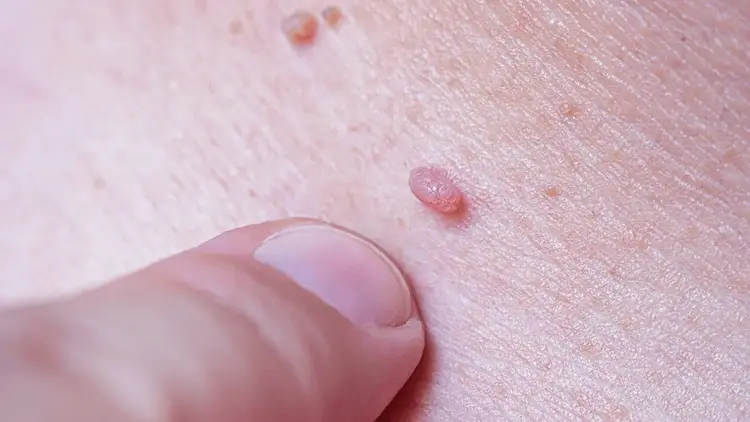
Large or extensive genital warts can become difficult to treat with topical medications or office-based procedures. When warts are bulky, numerous, recurrent, or causing pain, bleeding, infection, or functional problems, surgical excision may provide a more effective way to remove the visible lesions. Surgical treatment can remove most or all visible warts in a single procedure, although recurrence remains possible because HPV can persist in surrounding skin.
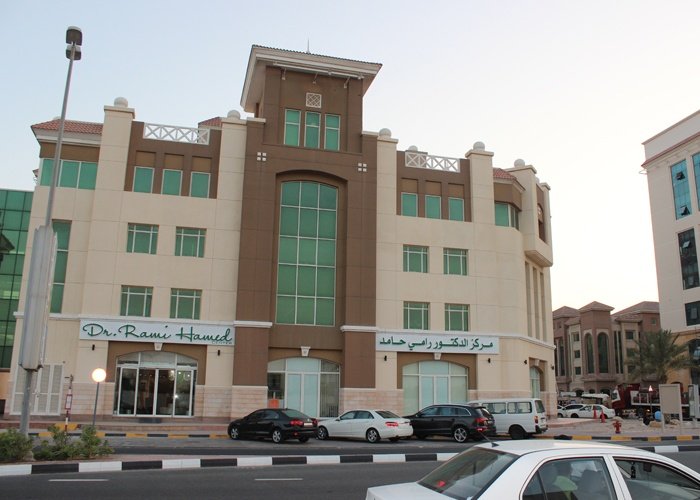
At Dr. Rami Hamed Center (DRHC) in Dubai, patients with large genital warts can receive specialist urology and andrology assessment to determine the extent of the lesions and the most appropriate treatment.
When Is Surgical Excision Recommended?
Surgical removal may be considered when genital warts are:
- Large, bulky, or extensive
- Numerous or difficult to treat with topical therapy
- Recurrent after previous treatment
- Bleeding, painful, ulcerated, or infected
- Interfering with urination, sexual activity, or hygiene
- Associated with uncertainty about the diagnosis
Large lesions may sometimes resemble other penile or genital conditions. If there is an unusual appearance, rapid growth, ulceration, or concern about malignancy, a biopsy or histopathological examination may be required.
How Are Large Genital Warts Evaluated?
The assessment begins with a confidential examination of the penis, foreskin, scrotum, perineum, or other affected areas. The specialist considers the number, size, location, and appearance of the warts and asks about previous treatments, recurrence, and possible HPV exposure.
Depending on the lesion, additional testing may include biopsy, histopathology, STI testing, or examination of nearby areas. Large or atypical lesions require particular care because not every wart-like growth is a simple genital wart.
What Does Surgical Excision Involve?
Surgical excision involves removing the visible wart tissue using an appropriate surgical technique. Depending on the size and location, treatment may involve scissor or scalpel excision, electrosurgery, curettage, or laser-assisted removal. The choice depends on the individual lesion and the amount of tissue involved.
The removed tissue may be sent for histopathological examination, particularly when the lesion is unusually large, recurrent, atypical, or clinically concerning. This helps confirm the diagnosis and identify any unexpected precancerous or cancerous changes.
What If the Warts Are Very Extensive?
Very large genital warts may require more extensive excision and, occasionally, reconstruction to achieve satisfactory healing and preserve function. Where significant tissue has been removed or scarring is present, penile reconstructive surgery may be considered.
In cases of exceptionally large or locally aggressive condyloma, such as a Buschke-Löwenstein tumour, management may require a more extensive surgical and pathological assessment.
Recovery After Genital Wart Excision
Recovery depends on the number and size of lesions and the treatment performed. Patients may experience temporary swelling, tenderness, minor bleeding, or wound discomfort. Good wound care and keeping the area clean are important during healing.
Sexual activity should generally be avoided until the treated area has healed sufficiently and the treating specialist confirms that it is safe. Follow-up is also important because genital warts can recur after removal.
Can Genital Warts Return After Surgery?
Yes. Surgical excision removes visible warts but does not eliminate HPV from the body. New lesions can therefore develop after treatment. Follow-up, safer sexual practices, and appropriate HPV vaccination according to individual eligibility can help with prevention and long-term management.
Possible Risks of Surgical Excision
Potential complications include pain, bleeding, infection, scarring, changes in skin appearance, and recurrence. Larger excisions may carry a greater risk of wound-healing problems or functional and cosmetic changes. Your specialist will discuss the expected benefits and risks before treatment.
Surgical Excision of Large Genital Warts in Dubai at DRHC
At Dr. Rami Hamed Center (DRHC), Dubai, treatment for large genital warts is planned according to the size, location, appearance, and recurrence history of the lesions. The goal is to remove problematic wart tissue while protecting normal penile structures and addressing any underlying or associated condition.
For related treatment options, you can also explore our Laser Genital Wart Removal, Skin Lesion Removal, and Penile Lesions, Warts & Cancer services.



.png?width=281&height=59&name=bookanappointment%20(1).png)