Giant Condyloma / Buschke-Löwenstein Tumour Treatment in Dubai
Giant condyloma acuminatum, also known as a Buschke-Löwenstein tumour (BLT), is a rare, large, and locally aggressive form of genital wart that is associated with human papillomavirus (HPV). It often appears as a slow-growing, cauliflower-like mass on the penis, foreskin, scrotum, perineum, or around the anus. Although it may appear similar to a benign wart, it can grow deeply into surrounding tissues and may contain areas of squamous cell carcinoma.
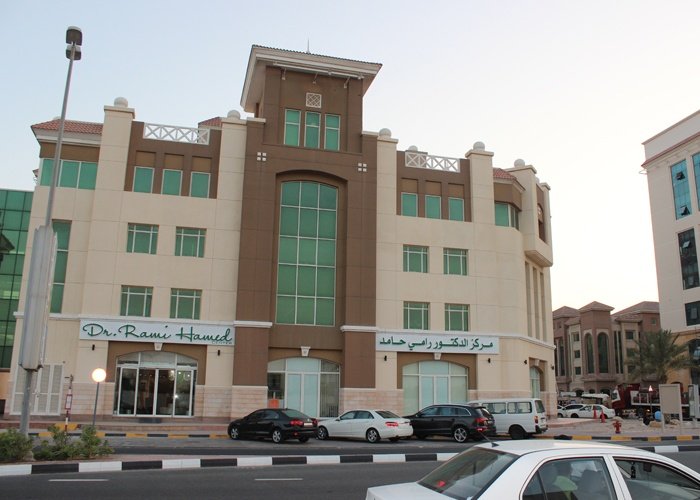
At Dr. Rami Hamed Center (DRHC) in Dubai, specialist assessment is important for determining the extent of the lesion, confirming the diagnosis, and planning appropriate treatment. Early evaluation can help prevent extensive tissue destruction and other complications.
What causes a Buschke-Löwenstein tumour?
BLT is strongly associated with HPV infection, particularly low-risk HPV types such as 6 and 11. Long-standing genital warts may gradually enlarge and form a giant condyloma. Factors such as chronic irritation, poor local hygiene, and a weakened immune system may contribute to progression.
Symptoms and Appearance
A Buschke-Löwenstein tumour typically develops slowly and may present as a large, irregular, or cauliflower-like growth. Depending on its size and location, symptoms can include:
- A large genital or perianal wart-like mass
- Bleeding, ulceration, or unpleasant discharge
- Pain, irritation, or recurrent infection
- Difficulty maintaining hygiene
- Difficulty passing urine when the lesion affects the penile opening
- Problems with sexual activity or daily comfort
Because the appearance alone cannot reliably distinguish BLT from other genital lesions or cancer, specialist assessment and tissue diagnosis are important.
How Is Giant Condyloma Diagnosed?
Diagnosis usually involves a detailed physical examination followed by a deep biopsy to assess the lesion under a microscope. Adequate sampling is important because areas of invasive squamous cell carcinoma may occur within a large lesion.
Imaging such as ultrasound, CT, or MRI may be recommended when the tumour is extensive or deeper tissue involvement needs to be assessed before surgery.
Treatment Options for Buschke-Löwenstein Tumour
Complete Surgical Excision
Surgical removal with clear margins is generally considered the main treatment for a resectable BLT. The aim is to remove the entire abnormal growth while preserving as much healthy penile and surrounding tissue as safely possible. The removed tissue is sent for histopathological examination to check for malignant transformation.
Reconstructive Surgery
Large tumours can leave significant tissue defects after removal. Depending on the location and extent of the lesion, skin grafts, local flaps, or other reconstructive techniques may be required to restore coverage and help preserve urinary and sexual function.
Additional Treatment for Extensive or Recurrent Disease
When a tumour is very extensive, recurrent, or associated with cancer, treatment may require a more complex or multidisciplinary approach. Selected patients may need additional oncology treatment, while recurrent lesions may require further surgical excision. The treatment plan is individualized according to the pathology and extent of disease.
Non-surgical treatments such as topical or immunomodulating therapies have been reported in selected cases, but they generally do not replace definitive surgical treatment for a large, locally destructive tumour.
Why Early Treatment Matters
Although BLT may have a relatively slow growth pattern, it can become locally destructive and invade surrounding tissues. It also has a significant risk of recurrence after treatment, making long-term follow-up essential. Some lesions may contain or develop invasive squamous cell carcinoma, which requires cancer-specific management.
Recovery and Follow-Up
Recovery depends on the size and location of the tumour and whether reconstruction is required. Follow-up may include wound care, monitoring for recurrence, and review of the final pathology report. Patients may also be advised about HPV prevention, sexual health, and appropriate screening or evaluation for other sexually transmitted infections.
Giant Condyloma Treatment in Dubai at DRHC
At Dr. Rami Hamed Center (DRHC), Dubai, patients with large or recurrent genital lesions can undergo specialist evaluation to determine whether the lesion requires biopsy, surgical excision, reconstruction, or additional treatment.
For related conditions, explore our Skin Lesion Removal, Laser Genital Wart Removal, and Penile Lesions, Warts & Cancer services.



.png?width=281&height=59&name=bookanappointment%20(1).png)