Penile Biopsy in Dubai
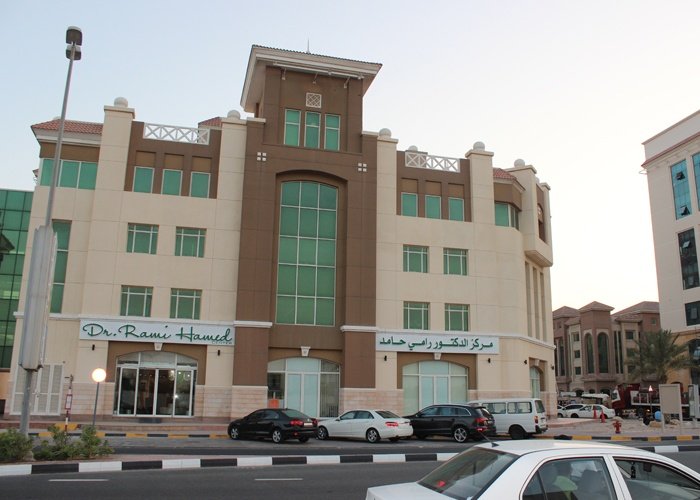
A penile biopsy is a procedure used to remove a small sample of tissue from an unusual or suspicious penile lesion for examination under a microscope. It can help determine whether a lesion is benign, inflammatory, precancerous, or cancerous. At Dr. Rami Hamed Center (DRHC) in Dubai, specialist assessment and biopsy can help establish an accurate diagnosis and guide the most appropriate treatment.
When Is a Penile Biopsy Recommended?
A biopsy may be recommended when the appearance or cause of a penile lesion is uncertain, particularly when there is:
- A persistent lump, ulcer, or sore
- An unusual or rapidly changing skin lesion
- A wart-like growth that is large, recurrent, or atypical
- Changes in penile skin colour or texture
- Bleeding, discharge, or unexplained pain
- A lesion that does not respond to initial treatment
- Suspicion of penile intraepithelial neoplasia or penile cancer
Biopsy is particularly important when the diagnosis is uncertain or when treatment such as laser therapy, topical medication, or radiotherapy is being considered.
What Does a Penile Biopsy Involve?
The procedure is selected according to the size, location, and appearance of the lesion. A punch or incisional biopsy may be used to obtain a representative tissue sample, while an excisional biopsy removes the entire small lesion when appropriate.
Penile biopsies can often be performed under local anaesthesia. For larger or deeper lesions, a sufficiently deep sample may be necessary to determine whether there is invasion into deeper tissues and to help with accurate staging.
What Happens to the Biopsy Sample?
The tissue is sent for histopathological examination. A specialist pathologist examines the sample to identify abnormal cells and determine the nature of the lesion.
Depending on the findings, the pathology report may help establish whether the lesion represents an infection, inflammation, benign growth, penile intraepithelial neoplasia, or invasive penile cancer. In confirmed penile cancer, pathological assessment provides important information about tumour type, grade, and stage
Does a Penile Biopsy Mean I Have Cancer?
No. A biopsy does not mean that cancer is present. It is a diagnostic procedure used to determine what a suspicious lesion actually is. Many penile lesions have non-cancerous causes, but obtaining an accurate diagnosis is important when a lesion is persistent or atypical.
If cancer is identified, further assessment may include examination of the groin and, when appropriate, imaging such as penile MRI or ultrasound to evaluate the extent of disease.
Recovery After Penile Biopsy
Some tenderness, mild swelling, or a small amount of bleeding can occur after the procedure. The biopsy site should be kept clean and cared for according to the specialist's instructions. Patients may be advised to avoid sexual activity or activities that put pressure on the area until healing has occurred.
The recovery period varies depending on the biopsy technique and size of the treated area. The pathology results are then reviewed to determine whether further treatment or monitoring is necessary.
Penile Biopsy for Suspected Penile Cancer
When penile cancer is suspected, a biopsy can provide the tissue diagnosis needed to guide treatment. Depending on the lesion, subsequent treatment may include local excision, organ-preserving surgery, glansectomy, radiotherapy, or more extensive surgery. The aim is to remove cancer completely while preserving penile function whenever this can be achieved safely.
At DRHC, patients requiring further treatment can also be assessed for Penile Cancer Diagnosis & Treatment, Penile Cancer Surgery, and Organ-Preserving Penile Cancer Surgery.
Why Choose DRHC for Penile Biopsy in Dubai?
Dr. Rami Hamed Center (DRHC) provides confidential specialist evaluation for men with suspicious penile lesions in Dubai. The biopsy approach is selected according to the lesion and the information required for diagnosis, with the aim of obtaining an adequate tissue sample while minimizing unnecessary tissue removal.



.png?width=281&height=59&name=bookanappointment%20(1).png)