Organ-Preserving Penile Cancer Surgery in Dubai
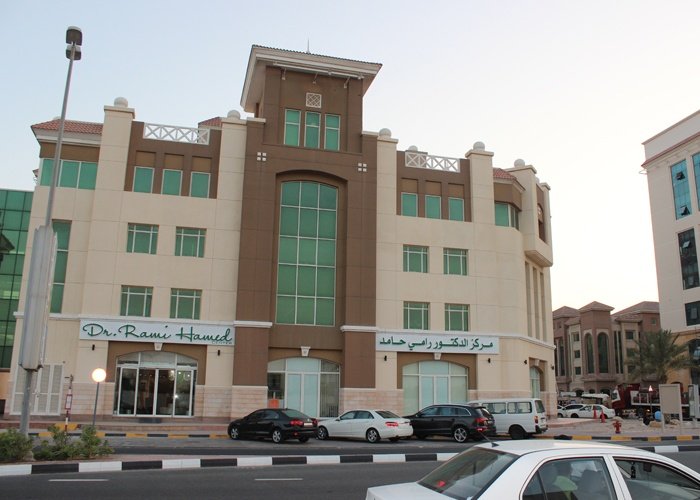
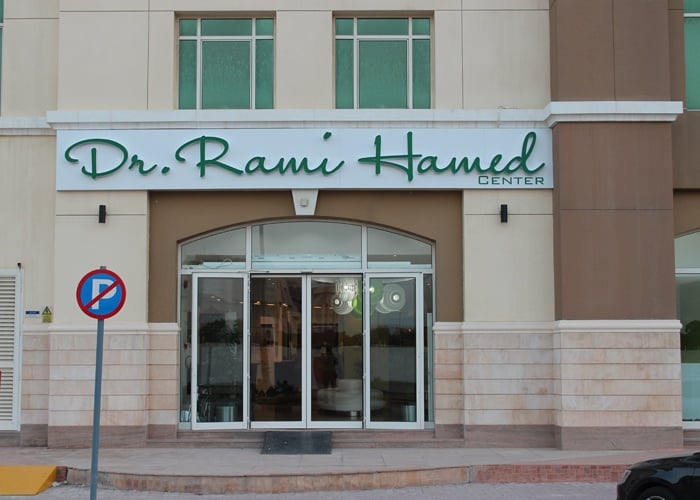
At Dr. Rami Hamed Center (DRHC) in Dubai Healthcare City, we offer specialist evaluation and surgical management for selected patients with penile cancer. Organ-preserving penile cancer surgery aims to completely remove the cancer while preserving as much healthy penile tissue, appearance, and function as safely possible.
Modern penile cancer treatment increasingly emphasizes organ preservation when it can provide adequate cancer control. The appropriate approach depends on the tumour's size, location, grade, depth of invasion, and overall stage.
Who May Be Suitable for Organ-Preserving Surgery?
Organ-preserving treatment is mainly considered for carefully selected patients with localized penile cancer where the tumour can be completely removed without compromising cancer control. Assessment may consider:
- Size and location of the tumour
- Depth of tumour invasion
- Tumour grade and pathology results
- Whether the glans, foreskin, or other penile structures are involved
- Presence of carcinoma in situ or other precancerous changes
- Condition of the surrounding healthy tissue
- Whether there is evidence of lymph node involvement
A penile biopsy is often essential to establish the diagnosis and guide treatment planning. Additional imaging, such as ultrasound or MRI, may be recommended when deeper invasion needs to be assessed.
Types of Organ-Preserving Penile Cancer Surgery
Wide Local Excision
Wide local excision removes the visible tumour together with a surrounding area of tissue to obtain clear pathological margins. It may be suitable for selected superficial or localized lesions.
Glans Resurfacing
Glans resurfacing removes the affected surface layer of the glans while preserving deeper healthy tissue. It may be considered for selected superficial cancers or penile intraepithelial neoplasia.
Partial Glansectomy
When a tumour involves part of the glans, partial glansectomy can remove the affected portion while preserving the remaining healthy penile tissue. Reconstruction may be considered depending on the defect and individual circumstances.
Laser or Microscopically Controlled Treatment
In selected superficial lesions, laser-based or microscopically controlled techniques may be considered as part of a penile-preserving treatment strategy. The choice depends on the tumour characteristics and whether complete treatment can be achieved safely.
How Is Organ-Preserving Penile Cancer Surgery Planned?
Treatment begins with careful assessment rather than selecting a procedure based on appearance alone. The specialist reviews the biopsy, examines the penis and groin, and determines the local stage of the tumour. MRI may be useful when there is uncertainty about the involvement of deeper structures or the feasibility of organ-preserving surgery.
The goal is to achieve complete tumour removal with cancer-free margins while removing as little healthy tissue as reasonably possible. Current guidelines do not support sacrificing oncological safety simply to preserve tissue; more extensive surgery may be necessary when the tumour is bulky, aggressive, or deeply invasive.
Benefits of Organ-Preserving Penile Surgery
When appropriate, preserving healthy penile tissue can offer important functional and psychological benefits. Depending on the procedure and individual cancer characteristics, potential advantages may include:
- Preservation of more of the natural penis
- Better preservation of penile appearance
- Potential preservation of urinary function
- Potential preservation of sexual function
- Reduced physical and psychological impact compared with more extensive amputation
However, organ-preserving surgery can carry a higher risk of local recurrence in some patients, which is why careful patient selection and long-term follow-up are essential.
What Happens If the Cancer Returns?
A local recurrence does not necessarily mean that treatment has failed permanently. Depending on where and how the cancer returns, further local treatment or more extensive surgery may be possible. Regular follow-up allows suspicious changes to be identified and treated as early as possible.
Recovery and Follow-Up
Recovery depends on the procedure performed and the extent of tissue removed. Patients may require wound care and temporary restrictions on physical or sexual activity. Follow-up examinations are particularly important after organ-preserving treatment because they allow the treated area and groin lymph nodes to be monitored for recurrence.
If you notice a new lump, ulcer, bleeding, skin change, or persistent lesion after treatment, contact your specialist promptly rather than waiting for the next scheduled appointment.
Why Choose DRHC for Organ-Preserving Penile Cancer Surgery in Dubai?
At Dr. Rami Hamed Center (DRHC), treatment is planned around the individual patient's diagnosis, cancer stage, and functional goals. Where clinically appropriate, penile-preserving approaches may be considered instead of unnecessarily extensive surgery.
Our penile cancer treatment services include assessment, biopsy, surgical planning, and appropriate management based on the characteristics of the disease. For patients requiring further cancer surgery, options such as penile cancer surgery can also be discussed.




.png?width=281&height=59&name=bookanappointment%20(1).png)