Sinus Lift Surgery in Dubai
Sinus lift surgery, also known as sinus augmentation or sinus bone grafting, is a dental surgical procedure that increases the amount of bone available in the upper jaw to support dental implants in Dubai. It is commonly recommended when the bone near the upper back teeth is too thin or insufficient to securely hold a dental implant.
At Dr. Rami Hamed Center (DRHC) in Dubai, patients considering dental implants can seek a professional assessment to understand their bone health, treatment options, and suitability for implant-supported tooth replacement. The need for a sinus lift depends on your individual dental anatomy and treatment plan. Visit our dental clinic in Dubai to learn more about available dental services.
What Is Sinus Lift Surgery?
A sinus lift is a bone grafting procedure performed in the upper jaw, usually in the area of the premolars and molars. The maxillary sinuses are air-filled spaces located above the upper back teeth. When there is insufficient bone between the sinus floor and the mouth, placing a dental implant may be difficult or may not provide adequate support.
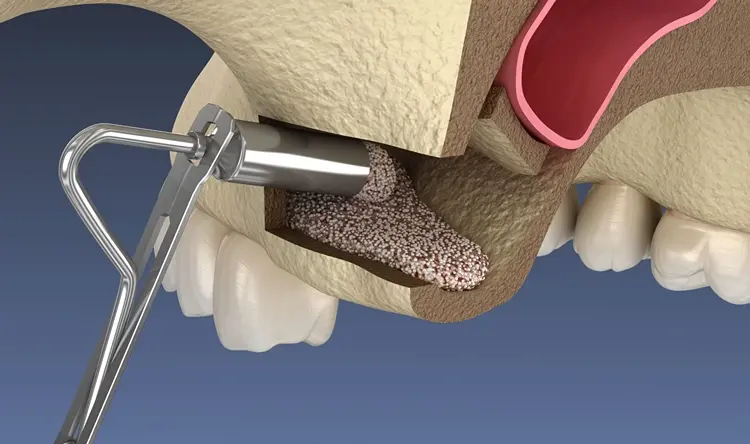
During sinus lift surgery, the dental specialist gently raises the membrane lining the maxillary sinus and creates space for bone graft material beneath it. Over time, the graft integrates with the surrounding bone and helps increase the available bone height for dental implant placement. Learn more about dental bone grafting surgery and how it can help prepare the jaw for selected dental implant procedures.
The procedure does not directly treat ordinary nasal congestion or sinusitis. Its main purpose is to prepare the upper jaw for dental implants when additional bone support is needed.
Why Is Sinus Lift Surgery Needed?
Dental implants require adequate bone volume and quality to achieve stability. The upper back jaw can be challenging for implant placement because the maxillary sinuses sit close to the roots of the upper teeth.
Your dentist may recommend sinus lift surgery if:
- You have lost one or more upper back teeth, and the jawbone has gradually reduced in height.
- You have insufficient bone between the upper jaw and the maxillary sinus to support a planned dental implant.
- Your maxillary sinus extends close to the area where an implant is needed.
- You have experienced bone loss associated with periodontal (gum) disease or previous tooth loss.
- You need additional bone support to improve the conditions for implant placement.
- Your dental examination and imaging indicate that a bone graft is required before or during implant surgery.
If you have insufficient bone in the upper jaw, your dentist may recommend dental bone grafting to create adequate support for implant placement. A sinus lift is one specific type of bone augmentation used in the upper jaw near the maxillary sinuses.
A sinus lift is not necessary for every dental implant patient. The decision is based on a clinical examination, imaging findings, and the amount of bone required for the planned restoration.
Who Is a Suitable Candidate for Sinus Lift Surgery?
You may be a candidate for sinus lift surgery in Dubai if you want to replace missing upper teeth with dental implants, but do not have enough supporting bone in the upper jaw.
Your dental specialist will assess several factors before recommending treatment, including:
- Jawbone volume: The available height, width, and quality of bone in the proposed implant area.
- Sinus anatomy: The position of the sinus floor and the condition of the sinus membrane.
- Oral health: The health of your gums and remaining teeth, including any active dental infections.
- Medical history: Conditions and medications that may influence surgery or healing.
- Healing factors: Smoking, diabetes control, and other factors that may affect bone healing.
- Restorative requirements: The location of the missing tooth and the type of implant-supported restoration planned.
If you have signs of gum inflammation or periodontal disease, your dentist may recommend assessment and appropriate gum disease treatment before proceeding with surgery. Healthy gums are important for dental implant planning and ongoing oral health.
If you have ongoing sinus symptoms, recurrent sinus infections, or a history of sinus surgery, inform your dentist before the procedure. Additional assessment or coordination with an ENT specialist may be appropriate in some cases.
Types of Sinus Lift Surgery
The two commonly used approaches are the lateral window technique and the crestal or transcrestal technique. The choice depends mainly on the amount of existing bone, the additional bone height needed, and your sinus anatomy.
1. Lateral Window Sinus Lift
A lateral window sinus lift is generally considered when a greater increase in bone height is required. The dental specialist makes an incision in the gum to expose the side of the upper jawbone. A small opening is created in the bone to access the sinus membrane, which is carefully lifted. Bone graft material is then placed beneath the membrane, and the surgical site is closed.
The graft is allowed to heal and integrate with the surrounding bone before the dental implant is placed, unless the clinical conditions allow implant placement during the same procedure.
2. Crestal or Transcrestal Sinus Lift
A crestal sinus lift is performed through the area where the dental implant is planned. The sinus floor is gently elevated through a prepared opening in the jawbone, creating space for additional bone graft material when required.
This approach may be suitable when only a limited increase in bone height is needed, and the patient has adequate existing bone for the planned treatment. In selected cases, the dental implant can be placed during the same appointment.
Your dental specialist will explain which approach is appropriate for your clinical situation and whether an alternative implant plan may be considered. Depending on the location of the missing tooth and the available bone, treatment may include a single tooth implant or another implant-supported restoration.
How Is Sinus Lift Surgery Performed?
The exact procedure varies according to the chosen technique, the amount of bone required, and whether dental implants will be placed at the same time. The general steps include the following:
Step 1: Dental Examination and Imaging
The specialist examines your mouth, gums, and teeth and reviews appropriate dental imaging. A cone-beam computed tomography (CBCT) scan may be recommended to assess bone dimensions, sinus anatomy, and the proposed implant position.
Step 2: Anaesthesia and Preparation
The procedure is commonly performed under local anaesthesia to numb the treatment area. Sedation may be considered in selected cases, depending on the patient's needs and the clinical setting.
Step 3: Accessing the Sinus Floor
The specialist accesses the sinus floor using the selected surgical technique and carefully elevates the thin sinus membrane. Protecting this membrane is an important part of the procedure.
Step 4: Placement of Bone Graft Material
Bone graft material is placed in the space created beneath the raised membrane. The material supports the development of new bone and increases the available bone volume in the upper jaw.
Step 5: Closing the Surgical Site
The gum is repositioned and closed, usually with sutures. Your dental team will provide instructions for protecting the surgical area and supporting healing.
Step 6: Healing and Dental Implant Planning
The graft needs time to integrate with the surrounding bone. Once healing has progressed sufficiently, the specialist reassesses the area and plans dental implant placement if it was not performed during the sinus lift procedure.
What Bone Graft Materials Are Used?
Different bone graft materials may be used during sinus augmentation. The most suitable option depends on the clinical requirements, the extent of bone loss, material availability, and the specialist's recommendation.
- Autogenous bone: Bone taken from another area of the patient's own body.
- Donor bone: Processed bone obtained from a human donor.
- Animal-derived bone substitute: A specially processed material used as a scaffold for bone formation.
- Synthetic bone substitute: A biocompatible material designed to support bone regeneration.
In some cases, a combination of materials or a protective membrane may be used. Your dental specialist will explain the available options and the reasons for recommending a particular graft material. You can also explore our dental bone grafting service for further information about bone augmentation procedures.
Benefits of Sinus Lift Surgery
For appropriately selected patients, sinus lift surgery can create the bone support needed for dental implant treatment. Potential benefits include:
- Increased bone height: Adds bone in the upper back jaw where existing bone is insufficient.
- Improved implant support: Helps create a suitable foundation for dental implants.
- Additional tooth replacement options: May make implant treatment possible for patients who would otherwise lack adequate bone.
- Support for long-term function: Adequate bone support is an important factor in the stability and function of dental implants.
- Restoration of chewing and appearance: When followed by successful implant and restoration treatment, it can contribute to replacing missing teeth.
Outcomes vary between patients. A sinus lift does not guarantee implant success, and the long-term result also depends on oral hygiene, general health, implant planning, and regular dental follow-up.
How to Prepare for Sinus Lift Surgery
Before your sinus lift procedure, your dental specialist will review your medical and dental history and explain the treatment plan. To prepare safely:
- Tell your dentist about all medical conditions, allergies, and medicines you take, including blood thinners and supplements.
- Inform the dental team if you smoke or use tobacco or nicotine products.
- Discuss any history of sinus infections, nasal surgery, or persistent sinus symptoms.
- Follow instructions about eating, drinking, and medication, especially if sedation is planned.
- Ask whether you need to arrange transport or assistance after the procedure.
- Attend any recommended dental treatment to manage active gum disease or infection before surgery.
Do not stop prescribed medicines or change their dosage unless your treating clinician advises you to do so.
Recovery After Sinus Lift Surgery
Recovery after sinus lift surgery varies according to the surgical technique, the extent of grafting, and your individual healing response. Mild swelling, tenderness, bruising, and a small amount of bleeding may occur during the early recovery period.
Your dental specialist will explain how to care for the surgical area and when you can resume your normal activities. The following precautions are commonly recommended, although your personal instructions may differ:
- Take prescribed medicines according to your clinician's instructions.
- Apply a cold compress externally if recommended to help manage swelling.
- Choose soft foods initially and avoid chewing directly on the surgical area.
- Maintain oral hygiene carefully, following the instructions provided for brushing and rinsing.
- Avoid smoking and nicotine products because they can interfere with healing.
- Avoid forceful nose-blowing and follow your surgeon's guidance about sneezing and other activities that may create pressure in the sinuses.
- Attend scheduled follow-up appointments so your specialist can monitor healing.
Contact your dental team if pain or swelling becomes worse rather than gradually improving, if you develop a fever, if bleeding persists, or if you notice unusual discharge or other concerning symptoms. Seek urgent medical assessment for severe or rapidly worsening symptoms.
How Long Does It Take to Heal After a Sinus Lift?
Healing time depends on the amount of bone grafting required, the type of graft material used, the surgical technique, and your general health. Bone graft integration often takes several months. In many cases, approximately four to twelve months may be needed before dental implant placement, although the timing can be shorter or longer depending on the clinical situation.
In selected patients with sufficient existing bone and good primary implant stability, the dental implant may be placed at the same time as the sinus lift. In other cases, the implant is placed after the graft has healed adequately.
After implant placement, additional healing is usually required before the final crown or other restoration can be attached. During this phase, the implant gradually bonds with the surrounding jawbone through a process called osseointegration. Learn more about the osseointegration of dental implants and why this healing process is important for implant stability.
Risks and Possible Complications of Sinus Lift Surgery
Sinus lift surgery is a well-established procedure, but, like any surgery, it carries potential risks. Your specialist should discuss these risks with you before treatment.
- Sinus membrane perforation: The thin membrane lining the sinus may tear during surgery. The specialist may repair it or modify or postpone the procedure, depending on the extent of the tear.
- Swelling, bruising, or bleeding: These may occur following surgery and usually improve during recovery.
- Infection: Infection can affect the surgical site or graft and may require additional treatment.
- Sinus inflammation or symptoms: Some patients may develop sinus discomfort or complications that require assessment.
- Delayed bone healing: The graft may take longer than expected to integrate with the surrounding bone.
- Graft failure or inadequate bone formation: In some cases, the graft may not provide sufficient bone for the planned implant.
- Need for further treatment: Additional surgery or a revised dental implant plan may occasionally be required.
Careful assessment, appropriate surgical planning, following postoperative instructions, and attending follow-up appointments can help manage risks. Your individual risk depends on your anatomy, medical history, and the complexity of the procedure.
Sinus Lift Surgery vs. Dental Implant Placement Without Bone Grafting
Not every patient who wants dental implants needs a sinus lift. The decision depends on the amount of bone available and the position required for the implant.
- Dental implant without a sinus lift: May be possible when there is sufficient bone height and width to support the planned implant safely.
- Dental implant with a sinus lift: May be recommended when insufficient bone beneath the sinus prevents appropriate implant placement.
- Alternative implant planning: Depending on the case, shorter implants or another treatment approach may be considered. Suitability must be established through clinical examination and imaging.
Your dental specialist can explain the advantages, limitations, healing requirements, and costs of the available options so you can make an informed decision. Depending on your needs, treatment planning may also include a full-mouth dental implant rehabilitation plan when several or all teeth need replacement.
Sinus Lift Surgery in Dubai at Dr. Rami Hamed Center (DRHC)
If you are considering dental implants in Dubai and have been told that your upper jaw does not have enough bone, a professional dental assessment can help clarify your options. At Dr. Rami Hamed Center (DRHC), Dubai, you can discuss your dental concerns, the need for bone grafting, and the steps involved in planning implant treatment.
Your consultation may include a review of your dental history, examination of your teeth and gums, assessment of available imaging, and discussion of the proposed treatment sequence. The recommended approach will depend on your individual clinical findings.