Single Tooth Implant in Dubai
Losing a single tooth can affect your smile, confidence, chewing ability, and overall oral health. Whether you have lost a tooth because of decay, gum disease, an injury, or a failed dental restoration, a single tooth dental implant may offer a stable and natural-looking replacement.
At Dr. Rami Hamed Center (DRHC), Dubai, patients can explore tooth replacement options following a dental examination and assessment of their oral health. A single tooth implant is designed to replace the missing tooth root and support a custom-made crown that blends with the surrounding teeth.
If you are looking for a single tooth implant in Dubai, understanding the procedure, healing process, benefits, and available alternatives can help you make an informed decision with your dental professional.
What Is a Single Tooth Dental Implant?
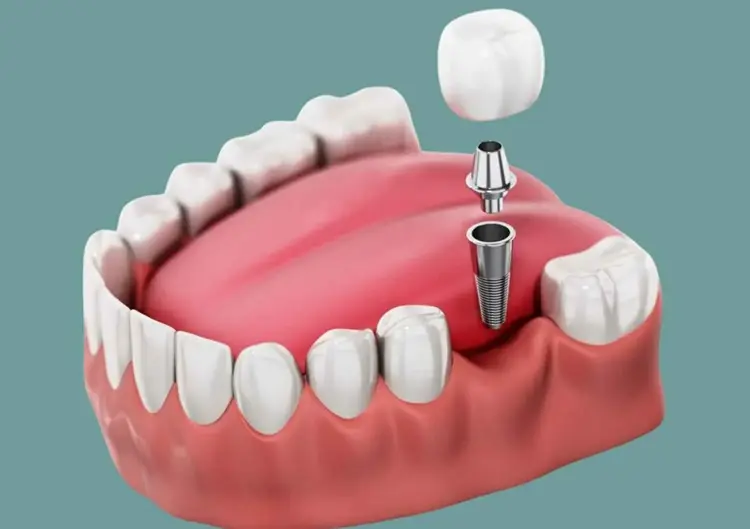
A single tooth implant is a treatment used to replace one missing tooth. It typically consists of three components:
- Dental implant: A small, screw-shaped post, usually made from titanium or another biocompatible material, that is placed in the jawbone to act as an artificial tooth root.
- Abutment: A connector that attaches the replacement crown to the implant.
- Dental crown: The visible part of the replacement tooth, custom-designed to match the shape, size, and colour of the surrounding teeth.
After placement, the implant needs time to integrate with the surrounding bone. Once adequate healing and stability have been confirmed, the final crown can be attached. The result is intended to restore the appearance and function of the missing tooth.
Learn more about dental implants in Dubai at DRHC.
When Might You Need a Single Tooth Implant?
Your dentist may recommend a single tooth implant when one tooth is missing or cannot be restored predictably. Common reasons for tooth loss include:
- Severe tooth decay that cannot be treated with a filling or crown.
- Advanced gum disease that has affected the supporting tissues.
- A cracked or fractured tooth that cannot be saved.
- Dental injuries caused by accidents or sports.
- Failure of a previous dental treatment or restoration.
- Congenitally missing teeth, in selected cases, after appropriate assessment.
Not every missing tooth requires an implant. Your dentist will assess the condition of the neighbouring teeth, gums, jawbone, and bite before recommending the most suitable treatment.
Who Is a Suitable Candidate for a Single Tooth Implant?
A single tooth implant may be suitable for adults who have lost a tooth and want a fixed replacement. Suitability depends on several factors, including:
- Adequate jawbone: There must be enough bone to support the implant, or a suitable bone augmentation procedure may be considered.
- Healthy gums: Existing gum disease should be assessed and treated before implant placement.
- General health: Medical conditions and medications that may affect healing need to be reviewed.
- Oral hygiene: Good daily cleaning and regular dental visits are essential for long-term maintenance.
- Smoking status: Smoking can increase the risk of healing problems and implant complications.
- Growth and development: Implant placement is generally delayed until jaw growth is complete.
Conditions such as diabetes do not automatically rule out dental implants, but they may affect treatment planning and healing. Tell your dentist about your medical history, current medications, allergies, and any previous dental complications.
Benefits of a Single Tooth Implant
For appropriately selected patients, a single tooth implant can offer several benefits compared with other tooth replacement options.
- Natural-looking appearance: A customised crown is designed to blend with your natural teeth.
- Restored chewing function: A stable replacement tooth can help you chew more comfortably once treatment is complete.
- Support for neighbouring teeth: Unlike a conventional tooth-supported bridge, an implant usually does not require the adjacent teeth to be reduced to support the replacement.
- Support for jawbone preservation: An implant transfers functional forces to the surrounding bone and may help limit bone loss associated with a missing tooth.
- Fixed tooth replacement: The completed crown is attached to the implant rather than being a removable denture.
- Long-term use with proper care: The implant and crown can function for many years, although maintenance and occasional repairs or replacement may be needed.
Results vary depending on bone quality, gum health, bite forces, general health, and how well the implant is maintained. An implant does not decay like a natural tooth, but the surrounding gums and bone can still develop disease.
Single Tooth Implant vs Dental Bridge
A dental implant and a dental bridge are both options for replacing one missing tooth. The most suitable choice depends on your oral health, the condition of adjacent teeth, available bone, treatment time, and budget.
For more information about replacement options, visit our dental restoration service. Your dentist can explain the advantages, limitations, and expected costs of each option.
How Is a Single Tooth Implant Procedure Performed?
The treatment process varies from patient to patient. Some cases can be completed in fewer stages, while others require additional procedures to prepare the gums or jawbone.
1. Consultation and dental assessment
Your dentist will examine the missing tooth area, neighbouring teeth, gums, and bite. Your medical and dental history will also be reviewed to identify factors that could affect treatment or healing.
2. Imaging and treatment planning
Dental X-rays and, when indicated, three-dimensional imaging such as cone-beam computed tomography (CBCT) may be used to evaluate the bone and the position of nearby anatomical structures. The dentist will determine the appropriate implant position and whether additional treatment is needed.
3. Tooth extraction or site preparation, if required
If the damaged tooth is still present, it may need to be removed. The dentist will assess whether an implant can be placed immediately after extraction or whether the area should heal first. Infection, bone defects, and gum conditions can influence this decision.
4. Implant placement
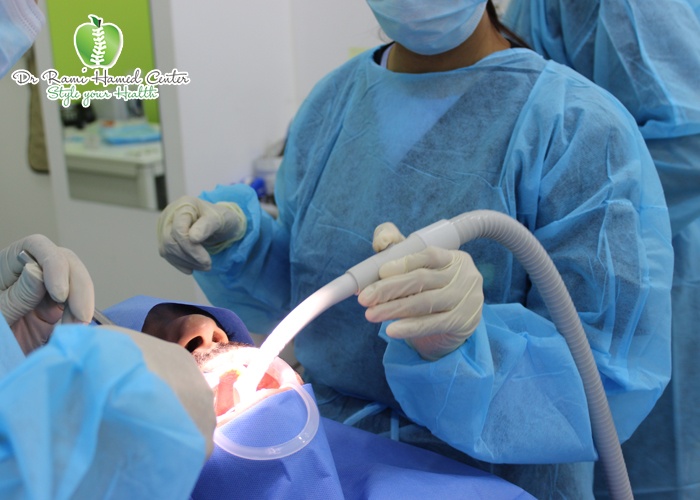
The implant is placed into the jawbone under local anaesthesia. The gum is then positioned to protect the site, and stitches may be used. Sedation, if appropriate and available, can be discussed with the treating team before the procedure.
5. Healing and bone integration
During healing, the surrounding bone gradually bonds with the implant through a process called osseointegration. This commonly takes several months, although the timeline depends on the location of the implant, bone quality, general health, and whether additional procedures are required.
6. Abutment and crown placement
Once the implant is sufficiently stable, the abutment and custom-made crown are fitted. The dentist checks the crown's appearance, bite, comfort, and ease of cleaning before completing the restoration.
In selected cases, a temporary tooth or an immediate temporary crown may be possible. This is not suitable for every patient and should only be considered when the clinical conditions support it.
Do You Need Bone Grafting Before a Single Tooth Implant?
Not everyone needs bone grafting. However, tooth loss, gum disease, infection, or prolonged time without a tooth can lead to a reduction in the amount of supporting jawbone.
If the available bone is insufficient to support an implant safely, your dentist may recommend bone grafting before or during implant placement. The additional procedure and healing time depend on the size and location of the bone defect.
Explore our dental bone grafting service in Dubai to learn more about preparing the jawbone for implant treatment.
If a missing upper back tooth is close to the maxillary sinus and there is insufficient bone height, a sinus lift may be considered in selected cases. Read more about sinus lift surgery in Dubai.
Is a Single Tooth Implant Painful?
Implant placement is usually performed under local anaesthesia, which numbs the treatment area. You should not feel sharp pain during the procedure, although you may notice pressure or vibration.
After the anaesthetic wears off, some tenderness, swelling, bruising, or minor bleeding may occur. These effects are generally temporary and should gradually improve. Your dentist will provide instructions on pain relief, oral hygiene, and eating during recovery.
Contact your dental provider if you experience severe or worsening pain, persistent bleeding, increasing swelling, fever, or other symptoms that concern you.
Recovery After a Single Tooth Implant
Recovery depends on the complexity of the procedure and your individual healing response. Following your dentist's instructions can help protect the implant site.
- Eat soft foods initially and follow advice about when to resume your usual diet.
- Avoid chewing directly on the surgical site if your dentist recommends it.
- Keep your mouth clean while avoiding direct trauma to the healing area.
- Use prescribed medicines as directed and do not stop or change them without professional advice.
- Avoid smoking during healing, as it can compromise recovery.
- Attend follow-up visits so the dentist can monitor healing and implant stability.
- Seek advice if swelling, pain, or bleeding worsen instead of improving.
The gum may heal within a relatively short period, but the implant usually needs longer to integrate with the bone before the final crown is fitted. Your dentist will confirm when it is appropriate to proceed.
How Long Does a Single Tooth Implant Last?
A dental implant can serve as a long-term tooth replacement, but its lifespan is not guaranteed. The implant itself and the crown are different components, and they may have different maintenance needs over time.
Long-term outcomes depend on factors such as gum health, oral hygiene, smoking, medical conditions, bite forces, teeth grinding, and attendance at routine dental appointments. The crown may eventually need repair or replacement due to wear or damage, even when the implant remains stable.
Possible Risks and Complications
Dental implant treatment is commonly performed, but it is still a surgical procedure and has potential risks. These may include:
- Pain, swelling, bruising, or bleeding after surgery.
- Infection around the implant site.
- Failure of the implant to integrate with the jawbone.
- Injury to nearby teeth, nerves, or other anatomical structures.
- Sinus-related complications when implants are placed in the upper back jaw.
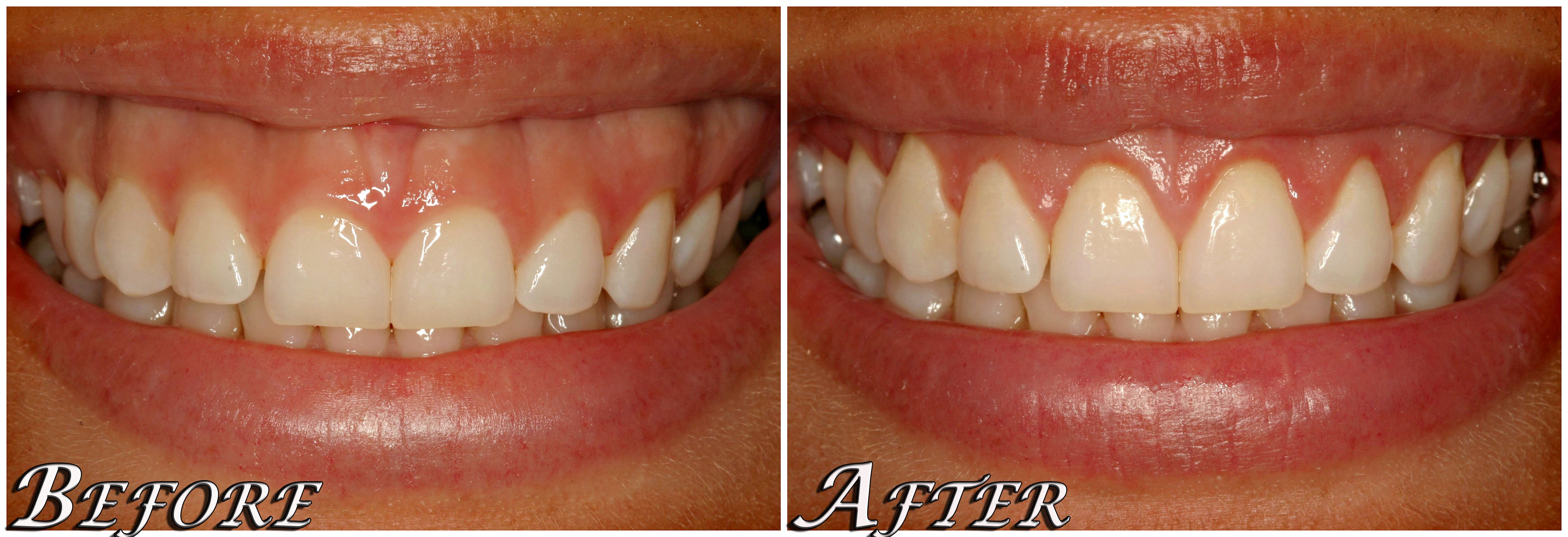
- Gum recession or aesthetic concerns, particularly around front teeth.
- Inflammation or bone loss around the implant is known as peri-implant disease.
- Loosening, wear, or damage to the crown or connecting components.
Careful assessment, appropriate treatment planning, good oral hygiene, and regular follow-up can help reduce risks. Your dentist will discuss the risks relevant to your case before treatment.
How to Care for Your Single Tooth Implant
A dental implant requires ongoing care, even though the replacement crown cannot develop tooth decay. Plaque can collect around the implant and cause inflammation of the surrounding gums and bone.
- Brush twice daily with a soft-bristle toothbrush and fluoride toothpaste.
- Clean between teeth and around the implant crown with floss, interdental brushes, or other tools recommended by your dentist.
- Attend regular dental examinations and professional cleaning appointments.
- Avoid using your teeth to bite hard objects or open packaging.
- Seek dental advice if you notice bleeding gums, swelling, discomfort when chewing, or movement of the crown.
- If you grind your teeth, ask whether a protective night guard may be appropriate.
For further information about maintaining your oral health, visit the DRHC dental clinic in Dubai.
Single Tooth Implant in Dubai at Dr. Rami Hamed Center
If you have a missing tooth and are considering a dental implant, an individual assessment can help determine whether implant treatment is appropriate for you. At Dr. Rami Hamed Center (DRHC), Dubai, you can discuss your tooth replacement concerns, oral health, and treatment options with the dental team.
Your treatment plan will depend on the condition of the missing tooth area, available bone, gum health, medical history, and aesthetic requirements. The dental team can explain the expected stages of treatment, healing period, and alternatives based on your needs.