Penile Reconstruction After Trauma in Dubai
Penile trauma can range from skin and soft-tissue injuries to penile fracture, urethral damage, severe scarring, or partial loss of penile tissue. While some injuries heal with conservative treatment, more complex injuries can leave lasting problems with appearance, urination, erections, or sexual function. Penile reconstruction after trauma aims to restore damaged tissues and improve function as much as possible.
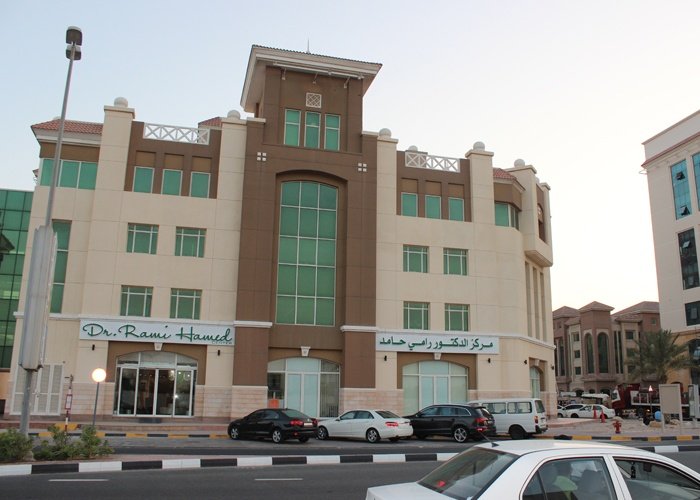
At Dr. Rami Hamed Center (DRHC) in Dubai Healthcare City, patients can receive individualized assessment and reconstructive treatment for complex penile injuries. The appropriate approach depends on the type of trauma, extent of tissue damage, previous treatment, and the condition of the remaining tissues.
When Is Penile Reconstruction Needed?
- Significant penile skin or soft-tissue loss
- Penile fracture with residual deformity or scarring
- Penile curvature following trauma
- Urethral injury or narrowing
- Scarring or tissue contracture
- Partial penile tissue loss
- Problems with erections or sexual activity
- Changes in penile appearance or function
Severe penile injuries may also involve the urethra. Current urological trauma guidance recommends specialist assessment when urethral injury is suspected, with investigations such as cystourethroscopy or retrograde urethrography used when appropriate.
Types of Penile Trauma
Penile reconstruction may be required following different types of injuries, including:
Penile Fracture
A penile fracture involves tearing of the erectile tissue covering the erect penis. It can cause sudden pain, swelling, bruising, and immediate loss of erection. Surgical repair is generally recommended for a confirmed penile fracture to reduce long-term complications.
Penetrating or Open Injuries
Deep cuts, crush injuries, bites, or other penetrating trauma may damage the skin, erectile tissues, urethra, or surrounding structures. Treatment focuses on preserving viable tissue and repairing the damaged structures whenever possible.
Traumatic Tissue Loss
Severe trauma can result in loss of penile skin or deeper tissue. Reconstruction may require local tissue repair, skin grafting, or more complex staged procedures, depending on the extent of the defect.
Assessment Before Reconstruction
A detailed evaluation helps determine the extent of the injury and the most appropriate reconstructive approach. Assessment may include:
- Physical examination of the penis and surrounding tissues
- Assessment of penile skin and scarring
- Evaluation of urinary flow and urethral function
- Assessment of erectile function
- Ultrasound or other imaging when required
- Urethral assessment when an injury is suspected
- Review of previous trauma and surgical treatment
The timing of reconstruction depends on whether the injury is recent or whether the patient is seeking treatment for a long-term complication following previous trauma.
Penile Reconstruction Options
Primary Tissue Repair
When the damaged tissues can be safely preserved, direct repair may restore the normal anatomy. In a penile fracture, for example, surgical closure of the damaged tunica is the standard approach.
Penile Skin Grafting
When trauma has caused substantial skin loss, a skin graft may be used to provide new coverage. The choice of graft depends on the size and location of the defect and the condition of the surrounding tissues.
Learn more about penile skin grafting in Dubai.
Urethral Reconstruction
If trauma has damaged the urethra or resulted in a subsequent urethral stricture, reconstructive treatment may be required to restore a functional urinary passage. The timing and technique depend on the location and severity of the injury.
Correction of Post-Traumatic Curvature
Scar tissue following trauma can sometimes cause penile curvature. Depending on the severity and erectile function, corrective procedures may be considered to improve penile alignment.
Staged Reconstruction
Extensive tissue damage, significant scarring, or complicated previous surgery may require reconstruction in stages. This allows the tissues to heal before further reconstruction is undertaken.
What Happens During Surgery?
The procedure is individualized according to the injury. Under appropriate anesthesia, damaged or scarred tissue may be repaired or released, healthy tissue may be repositioned, and skin grafting or urethral reconstruction may be performed when required.
For complex injuries, treatment may involve more than one procedure. Your specialist will explain the planned approach, expected healing period, and whether additional surgery may be necessary.
Recovery After Penile Reconstruction
Recovery depends on the complexity of the reconstruction. Swelling, bruising, tenderness, and temporary changes in sensation can occur during the early healing period.
- Follow wound-care and dressing instructions carefully.
- Take prescribed medication as directed.
- Avoid strenuous exercise during the initial healing period.
- Attend scheduled follow-up appointments.
- Follow any catheter-care instructions if urinary reconstruction was performed.
- Avoid sexual activity until adequate healing has occurred, and your surgeon confirms it is safe.
Patients undergoing skin grafting, urethral reconstruction, or staged procedures may require a longer recovery period.
Expected Benefits
The goals of penile reconstruction after trauma in Dubai are tailored to each patient. Treatment may help to:
- Restore damaged penile tissue and skin coverage
- Improve penile appearance
- Correct problematic post-traumatic curvature
- Improve urinary function when the urethra is affected
- Reduce discomfort caused by scarring
- Support sexual function where possible
- Improve confidence and quality of life
Risks and Possible Complications
- Bleeding or infection
- Delayed wound healing
- Scarring or contracture
- Changes in penile sensation
- Skin graft healing problems
- Recurrent penile curvature
- Urethral narrowing or other urinary problems
- Erectile dysfunction
- Persistent cosmetic or functional concerns
- Need for additional or staged surgery
Penile Reconstruction After Trauma at DRHC Dubai
At the Andrology Clinic at DRHC, Dubai, patients with previous penile trauma can receive specialist evaluation and an individualized treatment plan.
Depending on the injury, treatment may include penile reconstructive surgery, penile skin grafting, or treatment for associated complex penile curvature.




.png?width=281&height=59&name=bookanappointment%20(1).png)