Correction of Penile Enhancement Complications in Dubai
Penile enhancement procedures may include fillers, fat injections, implants, suspensory ligament procedures, and other cosmetic techniques. While some men seek these procedures to change penile size or appearance, complications can occur during healing or develop months or years later.
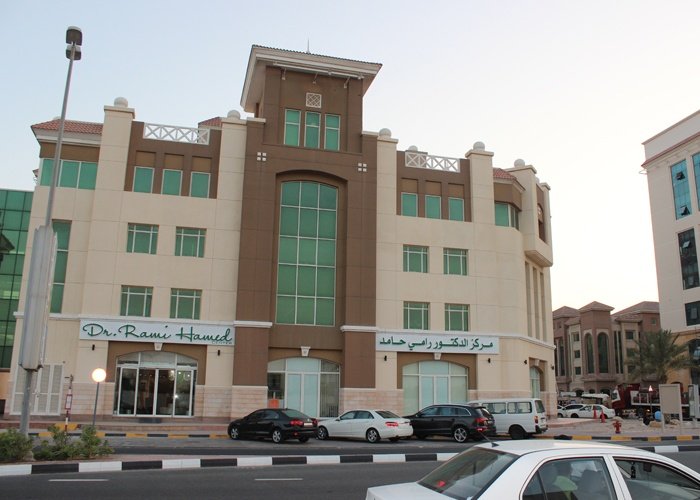
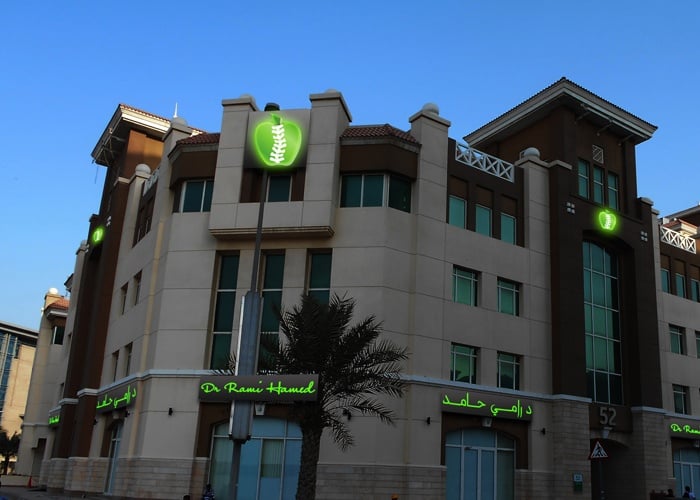
At Dr. Rami Hamed Center (DRHC) in Dubai Healthcare City, we provide confidential specialist assessment for men experiencing penile enhancement complications. Treatment focuses on identifying the underlying problem and improving safety, appearance, and function wherever possible.
What Are Penile Enhancement Complications?
Complications vary depending on the procedure, material used, and extent of tissue changes. Problems may include:
- Penile asymmetry or an irregular contour
- Lumps, nodules, or hardened areas
- Filler migration or uneven distribution
- Persistent swelling or inflammation
- Infection or abscess formation
- Scarring or fibrosis
- Skin thinning, discoloration, or breakdown
- Pain or discomfort
- Changes in penile sensation
- Problems with erections or sexual activity
- Unsatisfactory cosmetic results
- Complications following previous corrective procedures
Common Causes of Enhancement Complications
Penile Filler Complications
Fillers may occasionally produce nodules, asymmetry, migration, inflammation, or infection. The management depends on whether the material is hyaluronic acid, another temporary filler, a permanent substance, or an unknown product.
For appropriate hyaluronic acid complications, penile filler removal and correction may involve hyaluronidase or another individualized approach. Permanent or problematic materials may require surgical removal.
Complications After Fat Injection
Fat transfer can sometimes result in uneven absorption, palpable nodules, fat necrosis, calcification, or irregular penile contour. Correction depends on the extent and location of the altered tissue.
Complications After Penile Surgery
Previous cosmetic surgery can occasionally result in excessive scarring, altered penile shape, persistent curvature, or other functional concerns. Revision surgery may be considered after the tissues have been carefully assessed.
When Should You Seek Specialist Assessment?
A specialist evaluation is recommended if you notice a persistent or worsening problem after penile enhancement, particularly:
- Increasing pain or swelling
- Redness, warmth, or discharge
- Fever or other signs of infection
- Skin discoloration or tissue breakdown
- New or significant penile curvature
- Hard lumps or nodules
- Migration of injected material
- Significant asymmetry
- Difficulty with erections or sexual activity
Rapidly worsening swelling, severe pain, fever, pus, or darkening of the penile skin requires prompt medical assessment.
How Are Penile Enhancement Complications Diagnosed?
Evaluation begins with a detailed discussion about the original enhancement procedure. Your specialist may need to know the date of treatment, the technique used, the product injected, the quantity used, and whether previous correction has been attempted.
A physical examination assesses the skin, underlying tissues, penile contour, areas of hardness, inflammation, and any signs of infection or scarring. Ultrasound may be recommended when the location or extent of injected material or deeper tissue changes is unclear.
If the filler or substance used is unknown, any available treatment records or product information can help guide the assessment.
Correction Options
There is no single procedure for all penile enhancement complications. Treatment is selected according to the cause and severity of the problem.
Non-Surgical Management
Some mild complications can be monitored or managed conservatively. If the problem involves a suitable hyaluronic acid filler, hyaluronidase may be considered to dissolve the material.
Filler Removal
Persistent lumps, migration, significant asymmetry, or problematic filler may require removal. Our penile filler complication treatment approach is based on the type of material and the condition of the surrounding tissue.
Treatment of Infection
When enhancement material becomes infected, treatment may involve antibiotics, drainage of an abscess, and removal of infected foreign material when necessary. Treating the infection takes priority before elective cosmetic correction.
Correction of Penile Asymmetry
Uneven enhancement may produce a noticeable difference in penile contour. Depending on the cause, correction may involve removal of excess material, treatment of scar tissue, or other reconstructive techniques.
Revision and Reconstructive Surgery
More complex complications involving significant scarring, tissue damage, or previous unsuccessful procedures may require penile reconstructive surgery. The aim is to restore the best possible structure and function while preserving healthy tissue.
Can Penile Enhancement Complications Be Completely Reversed?
Many complications can be improved, but complete reversal cannot always be guaranteed. The outcome depends on the enhancement method, material used, duration of the complication, and whether permanent scarring or tissue damage has developed.
Permanent fillers and non-medical injectable substances can be particularly challenging because they may become integrated with surrounding tissues. In these situations, aggressive removal may itself damage healthy tissue, so treatment must be carefully planned.
Recovery After Correction
Recovery depends on the treatment required. Less invasive treatments may involve limited downtime, whereas surgical removal or reconstruction requires a longer healing period.
Temporary swelling, bruising, or tenderness may occur following a procedure. Your specialist will provide individualized instructions regarding wound care, physical activity, and sexual activity. Follow-up appointments help assess healing and determine whether additional treatment is necessary.
Why Choose DRHC for Penile Enhancement Complication Correction?
At Dr. Rami Hamed Center (DRHC), we take a structured approach to complications following penile enhancement. Rather than simply treating the visible appearance, the assessment considers the material used, underlying tissue condition, symptoms, previous procedures, and functional concerns.
Depending on your condition, related services include correction of penile asymmetry, penile filler removal and correction, and penile reconstructive surgery.




.png?width=281&height=59&name=bookanappointment%20(1).png)