Paraphimosis Treatment in Dubai
Paraphimosis is a condition in which the foreskin is pulled back behind the head of the penis (glans) and becomes trapped, preventing it from returning to its normal position. It can cause swelling and restrict blood flow to the glans, making it a urological emergency that requires prompt medical assessment.
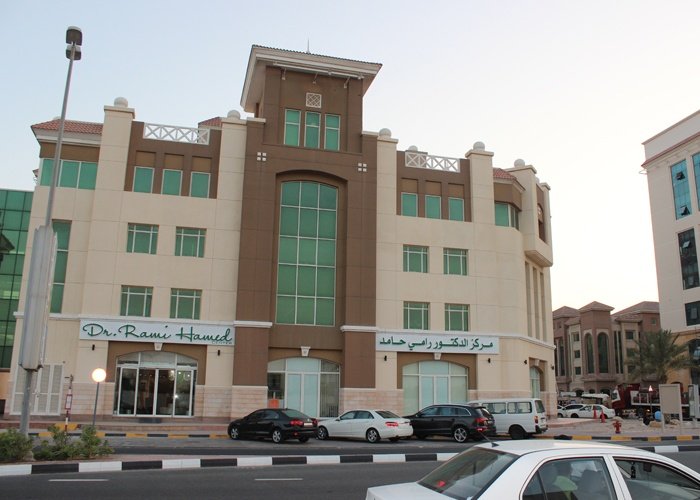
At Dr. Rami Hamed Center (DRHC) in Dubai Healthcare City, patients with suspected paraphimosis can receive timely assessment and appropriate paraphimosis treatment in Dubai. Early treatment can help relieve foreskin entrapment and reduce the risk of tissue damage.
What Is Paraphimosis?
Paraphimosis occurs when a retracted foreskin becomes stuck behind the glans and forms a tight band around the penis. As swelling develops, the foreskin can become increasingly difficult to move forward.
This is different from phimosis, where the foreskin cannot be pulled back over the glans. With paraphimosis, the foreskin has been retracted but cannot be returned to its normal position.
What Causes Paraphimosis?
Paraphimosis can occur when the foreskin is left retracted for an extended period or when an already tight foreskin is forcibly pulled back. Common situations include:
- Retracting the foreskin during cleaning without returning it to its normal position
- Following a medical examination or procedure involving the penis
- Urinary catheter placement
- Penile or foreskin injury
- Infection or inflammation causing swelling
- Existing tight foreskin or scarring
Symptoms of Paraphimosis
Typical symptoms may include:
- A retracted foreskin that cannot be pulled forward
- Swelling of the foreskin and glans
- Pain or tenderness
- A tight band of foreskin behind the glans
- Red or darkening skin
- Difficulty urinating in some cases
Increasing swelling, severe pain, or a change in the colour of the glans can indicate impaired blood flow and require immediate medical attention.
Why Is Paraphimosis a Medical Emergency?
The trapped foreskin can act like a tight band around the penis and interfere with normal circulation. As swelling increases, blood and fluid may have difficulty draining from the glans, potentially causing further swelling and compromising the blood supply.
Without timely treatment, severe paraphimosis can result in tissue injury or, in advanced cases, tissue death. For this reason, suspected paraphimosis should not be ignored or left untreated.
Diagnosis of Paraphimosis
Paraphimosis is usually diagnosed through a physical examination. Your urology or andrology specialist will assess the position of the foreskin, degree of swelling, condition of the glans, blood flow, pain, and ability to urinate.
Additional tests are not usually necessary when the clinical findings clearly indicate paraphimosis. The priority is to relieve the constriction and restore normal foreskin position as quickly as possible.
Immediate Paraphimosis Treatment
The initial aim of emergency paraphimosis treatment is to reduce swelling and return the foreskin to its normal position. Treatment depends on the severity of swelling and the condition of the penis.
Manual Paraphimosis Reduction
In many cases, a healthcare professional can perform paraphimosis reduction manually. This involves reducing the swelling and gently moving the foreskin forward over the glans.
Pain relief or local anesthesia may be used when necessary. Medical professionals may use different techniques to reduce swelling before attempting reduction.
Do not attempt forceful reduction at home. Excessive pressure can cause injury, bleeding, or further swelling.
When Is Paraphimosis Surgery Required?
If manual reduction is unsuccessful or the swelling is too severe, surgical intervention may be necessary. The appropriate procedure depends on the severity of the condition and the patient's anatomy.
Dorsal Slit
A dorsal slit involves making a controlled incision in the tight foreskin to release the constricting band and allow the foreskin to be returned to its normal position. It may be used when urgent decompression is required, and immediate relief of the constriction is necessary.
Circumcision
Circumcision may be recommended after the acute episode, particularly when recurrent paraphimosis is related to a persistently tight or scarred foreskin. In some circumstances, circumcision may be performed as part of the definitive surgical treatment.
The choice between manual reduction, dorsal slit, circumcision, or another approach is determined by the treating specialist based on the clinical situation.
Recovery After Paraphimosis Treatment
Recovery depends on whether the treatment involved manual reduction or surgery. Mild swelling and tenderness may continue for a short period after successful reduction.
Following surgical treatment, patients should:
- Keep the area clean and follow wound-care instructions.
- Take prescribed medications as directed.
- Avoid activities that cause pressure or irritation during healing.
- Attend recommended follow-up appointments.
- Avoid sexual activity until adequate healing has occurred.
Patients who undergo circumcision or another surgical procedure may require several weeks for complete healing.
Potential Complications
Prompt treatment significantly reduces the risk of serious complications. However, untreated or severe paraphimosis can potentially cause:
- Damage to the penile tissue
- Reduced blood supply to the glans
- Skin or tissue necrosis
- Infection
- Bleeding or ulceration
- Difficulty urinating
- Need for more extensive surgery
If you notice a trapped foreskin accompanied by swelling or pain, seek urgent medical assessment rather than waiting for symptoms to improve.
Preventing Paraphimosis
Once the foreskin has been retracted, it should be returned to its normal position over the glans. Prevention may include:
- Do not leave the foreskin retracted for prolonged periods.
- After cleaning, return the foreskin to its normal position.
- Follow medical instructions carefully after catheterization or penile procedures.
- Seek treatment for recurrent foreskin inflammation or tightness.
- Discuss recurrent episodes with a urologist or andrologist.
Patients with recurrent paraphimosis or significant foreskin tightness may benefit from definitive treatment such as circumcision.
Paraphimosis Treatment at DRHC Dubai
At the Andrology Clinic at DRHC in Dubai, our specialists provide assessment and treatment for foreskin and penile conditions.
Depending on the clinical situation, treatment may include paraphimosis reduction, surgical release, or definitive circumcision. Patients with underlying foreskin problems can also explore our phimosis treatment and adult circumcision services.
When Should You Seek Emergency Urology Care?
Seek immediate medical attention if the foreskin is stuck behind the glans and cannot be returned to its normal position. Do not wait for the swelling to disappear on its own, particularly if there is significant pain, increasing swelling, dark or bluish discoloration, or difficulty urinating.
Timely emergency urology care in Dubai can help restore normal circulation and reduce the risk of permanent tissue damage.



.png?width=281&height=59&name=bookanappointment%20(1).png)


.webp?width=1080&height=1080&name=Doctor%20background%20For%20Website%20Dr.%20Fadi%20Nageeb%2009%20(1).webp)
.webp?width=1080&height=1080&name=Doctor%20background%20For%20Website%20Dr%20Abdul%20Majeed%20Khalid%20%2002%20(1).webp)