DRHC Dubai Dermatology Clinic

Eczema Treatment at DRHC Dubai

What is Eczema?

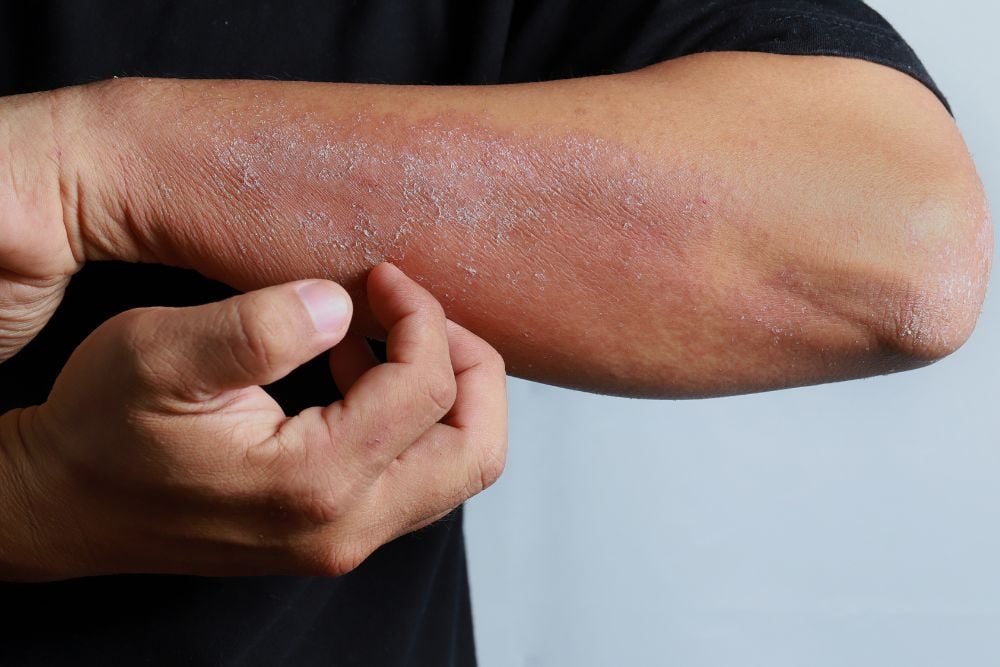
Eczema is a non-contagious skin condition that is associated with red, itchy, and inflamed skin. It presents as dry and scaly skin that is easily irritated, causing pain. Eczema is not a single condition, but rather multiple related skin disorders that share common traits. It can appear in all ages, and its severity can vary a lot.

Our experienced dermatologist at DRHC has exceptional skills in diagnosing and treating various skin conditions, but they are particularly known for their expertise in dealing with eczema. Whether you're struggling with dry, itchy patches or persistent flare-ups, our Specialist has the knowledge and compassion to provide you with the best possible care.

Causes of Eczema:

The exact cause of eczema is unknown. However, we do understand that a few factors play a role, including genetic, environmental, and immune system factors:

  • Family History – Eczema history in the family can increase your chance of having eczema
  • Age – Eczema is more common in young children, as symptoms improve as they become older
  • Irritant exposure – Exposure to things such as harsh soaps, detergents, and allergens can trigger or worsen eczema

Signs and symptoms of Eczema:

Common Eczema symptoms include:

  • Itching – The Main feature of eczema, and can lead to scratching, which worsens the eczema
  • Dryness – Skin appears scaly, dry, and rough, particularly at the joints. Skin can also appear cracked or blistered
  • Redness and inflammation – present in the area of affected skin.
  • Oozing and crusting – oozing of fluid that leads to crusting and pain
  • Dark colored patches

Treatment of Eczema:

Different Eczema patients experience different severities and symptoms. At DRHC, we appreciate this and tailor your treatment to your needs. Your Eczema treatment may include:

  • Skin Moisturizer – apply to hydrate dry skin
  • Topical medication – Apply as advised by the doctor, such as topical (cream) steroids
  • Oral medication – Such as oral antihistamines to control itching
  • Immunosuppressant drugs - help regulate immune system function
  • Avoiding triggers.

Unfortunately, there is no cure for eczema. However, symptoms do get significantly better with age, and the use of medicine can control symptoms and reduce flare-ups.

At DRHC, we are dedicated to providing the best eczema treatment options for our patients. We utilize advanced treatments and therapies to provide you with effective relief from the symptoms of eczema.

Frequently Asked Questions (FAQs) – Eczema Treatment

1. What is eczema?

Eczema, also known as atopic dermatitis, is a chronic skin condition that causes dry, itchy, red, and inflamed skin. It can affect people of all ages and often occurs in flare-ups triggered by environmental or lifestyle factors.

2. What causes eczema flare-ups?

Eczema flare-ups can be triggered by allergens, harsh soaps, fragrances, stress, hot weather, sweating, dry skin, dust mites, certain fabrics such as wool, and changes in temperature. Identifying and avoiding personal triggers is an important part of managing eczema.

3. How is eczema diagnosed?

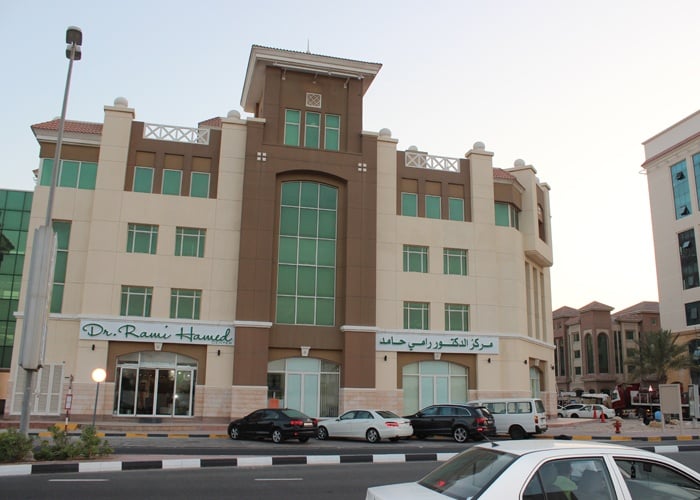
At Dr. Rami Hamed Center (DRHC Dubai), our dermatologists diagnose eczema through a detailed medical history and physical examination. In some cases, allergy testing or additional skin evaluations may be recommended to rule out other skin conditions or identify potential triggers.

4. What treatments are available for eczema?

Treatment depends on the severity of the condition and may include medicated creams or ointments, oral medications, moisturizers, antihistamines, phototherapy, and advanced biologic therapies for severe or persistent eczema. Our specialists create personalized treatment plans to control symptoms and reduce flare-ups.

5. Can eczema be cured permanently?

There is currently no permanent cure for eczema, but it can be effectively managed with appropriate medical treatment, regular skin care, and trigger avoidance. Many patients achieve long-term symptom control and significant improvement in their quality of life.

6. When should I see a dermatologist for eczema?

You should consult a dermatologist if your eczema is persistent, frequently recurring, causes severe itching or discomfort, interferes with daily activities or sleep, shows signs of infection, or does not improve with over-the-counter treatments. Early medical intervention can help prevent complications and improve long-term skin health.

Book An Appoinment

Dermatology Clinic Dubai at Dr. Rami Hamed Center provides one of the top dermatologists in Dubai for the treatment of various skin-related diseases. If you are looking for a good skin doctor in Dubai, call +97142798200. Skin Care & Treatment Clinics in Dubai. DRHC also offers PRP treatment, Fillers, etc. DRHC provides technological treatment for anti-aging and rejuvenation procedures by the best Dermatologist in Dubai.

BOOK AN APPOINTMENT

Whatsapp