Priapism Treatment in Dubai
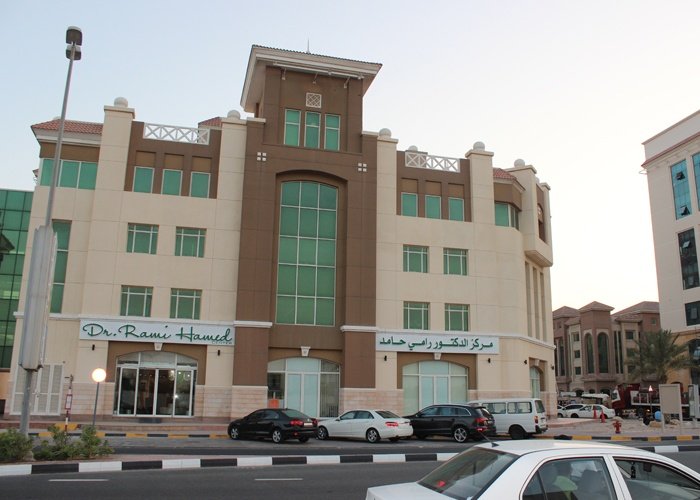
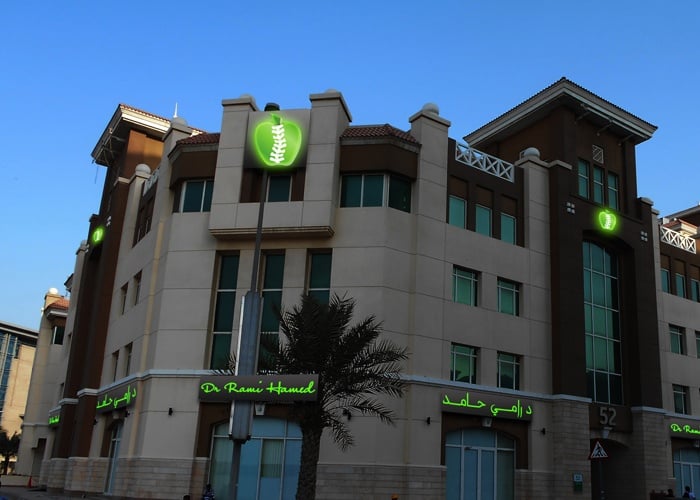
Priapism is a prolonged erection that persists for several hours and is not relieved by sexual stimulation or ejaculation. Some forms of priapism, particularly ischaemic priapism, are a medical emergency and require urgent specialist treatment to reduce the risk of permanent erectile dysfunction and damage to penile tissue. At Dr. Rami Hamed Center (DRHC) in Dubai Healthcare City, patients can receive specialist assessment and treatment for priapism based on the underlying cause, duration, and type of erection.
If you are experiencing an erection lasting four hours or longer, especially when it is painful and unrelated to sexual stimulation, seek emergency medical attention immediately. Delaying treatment for ischaemic priapism can increase the risk of permanent erectile dysfunction.
What Is Priapism?
Priapism is an erection that continues for an unusually long period, usually without sexual stimulation. It occurs when the normal mechanisms that control blood flow into and out of the penis become disrupted.
- Ischaemic priapism: Also called low-flow or veno-occlusive priapism. Blood becomes trapped inside the erectile tissues, causing a painful, rigid erection. This is a urological emergency and requires prompt treatment.
- Non-ischaemic priapism: Also called high-flow priapism. It is usually related to uncontrolled arterial blood flow, often following trauma. The erection may be less painful and less rigid than in ischaemic priapism and is generally not an immediate emergency.
- Recurrent or stuttering priapism: Repeated episodes of unwanted erections that may resolve on their own but can increase the risk of future prolonged ischaemic episodes.
When Does Priapism Require Emergency Treatment?
An erection that lasts more than four hours should be medically assessed urgently. Ischaemic priapism can progressively deprive the erectile tissues of oxygen, potentially resulting in tissue damage, fibrosis, and erectile dysfunction. Current urological guidance recommends prompt intervention rather than relying on home remedies or waiting for the erection to resolve.
What Causes Priapism?
Priapism can have several possible causes. Identifying the underlying cause is important when planning treatment and reducing the risk of recurrence.
- Medications, including some medicines used for erectile dysfunction and certain psychiatric medications
- Blood disorders such as sickle cell disease
- Leukaemia and other blood or systemic conditions
- Trauma to the penis or perineum
- Spinal cord or neurological conditions
- Recreational or prescription drug use
- Metabolic or systemic disorders
- Previous episodes of priapism
- In some patients, no clear cause may be identified
How Is Priapism Diagnosed?
A specialist evaluation begins with a detailed medical, medication, and sexual history, followed by a physical examination. The doctor determines whether the episode is likely to be ischaemic or non-ischaemic because treatment differs significantly between the two.
Depending on the clinical situation, assessment may include:
- Physical examination of the penis and surrounding tissues
- Analysis of blood from the erectile tissue to assess oxygen and carbon dioxide levels
- Penile Doppler ultrasound to evaluate blood flow when the diagnosis is uncertain
- Blood tests to investigate possible underlying conditions
- Review of current medications and previous treatments
Diagnostic investigations should not unnecessarily delay treatment when acute ischaemic priapism is suspected.
Priapism Treatment at DRHC Dubai
The treatment approach depends on the type and duration of priapism, the patient's overall health, and whether previous treatment has been successful.
Emergency Treatment for Ischaemic Priapism
For acute ischaemic priapism, treatment is directed at relieving the erection, restoring normal blood flow, and protecting the erectile tissues. Initial medical management may include intracavernosal medication such as phenylephrine, together with aspiration and irrigation when clinically appropriate. These treatments are performed by trained medical professionals with appropriate monitoring.
Priapism Shunt Surgery
If non-surgical treatment does not successfully resolve acute ischaemic priapism, a surgical shunt may be considered. Penile shunt surgery creates a controlled pathway for trapped blood to leave the erectile tissue and helps restore circulation.
Distal shunting, with or without tunnelling, is one of the recognised surgical options when pharmacological treatment and aspiration with or without irrigation have failed. The timing and choice of procedure are individualised according to the duration and severity of the episode.
Treatment of Non-Ischaemic Priapism
Non-ischaemic priapism is managed differently. Some patients may initially be monitored because the condition can resolve spontaneously. When treatment is required, arterial embolisation may be considered to address the abnormal blood flow. The risks of recurrence and erectile dysfunction are discussed before treatment.
Management of Recurrent Priapism
Patients experiencing repeated episodes may require further evaluation to identify contributing factors and develop a strategy to reduce recurrence. Management may involve treating an underlying condition, reviewing medications, and considering specialist preventive therapies.
Why Early Priapism Treatment Matters
The longer ischaemic priapism continues, the greater the risk of injury to the smooth muscle within the erectile tissue. Prolonged ischaemia can result in fibrosis and permanent erectile dysfunction. Patients with prolonged episodes should therefore be counselled about the possibility of erectile dysfunction, particularly when treatment is delayed.
What Can Happen If Priapism Is Left Untreated?
Untreated ischaemic priapism can cause progressive damage to the erectile tissue. Possible complications include:
- Permanent erectile dysfunction
- Fibrosis or scarring of the erectile tissue
- Penile shortening or changes in penile structure
- Persistent penile pain
- Recurrent priapism
- Need for further reconstructive or erectile dysfunction treatment
Recovery After Priapism Treatment
Recovery varies depending on how long the priapism lasted, the treatment required, and whether there was pre-existing damage to the erectile tissue. After treatment, follow-up may be recommended to assess healing, erectile function, and the possibility of recurrence.
Patients should follow all post-treatment instructions and seek medical attention promptly if another prolonged erection occurs.
Why Choose DRHC for Priapism Treatment in Dubai?
At Dr. Rami Hamed Center (DRHC), priapism is approached with a focus on timely diagnosis, appropriate treatment, and preservation of male sexual and erectile health. Our multidisciplinary setting in Dubai Healthcare City allows patients to receive specialist urology and andrology care in Dubai based on their individual condition.
- Specialist evaluation of male sexual and reproductive conditions
- Assessment and management of acute and recurrent priapism
- Access to surgical treatment when clinically indicated
- Individualised treatment planning
- Focus on preserving erectile function wherever possible
- Convenient specialist care in Dubai Healthcare City




.png?width=281&height=59&name=bookanappointment%20(1).png)